
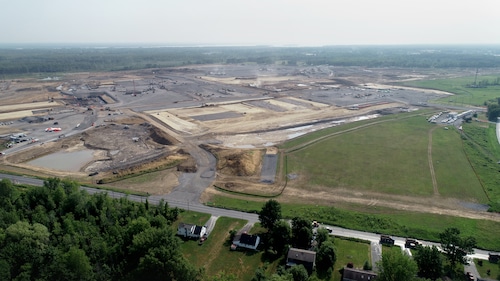
Inside Business Matters: Micron, forever chemicals, data centers, more (how to sign up)
This report examines significant developments across three distinct sectors: semiconductor manufacturing, environmental regulation, and infrastructure.
The story
in brief.
What happened, who it affects, and why it landed on our intelligence desk — in plain English, sixty seconds or less.
This report examines significant developments across three distinct sectors: semiconductor manufacturing, environmental regulation, and infrastructure. Micron Technologies faces scrutiny regarding its operations, while legislative and industrial attention intensifies around per- and polyfluoroalkyl substances, commonly known as forever chemicals. Simultaneously, the rapid expansion of data centre capacity highlights growing demand for computational power. These interconnected stories underscore shifting regulatory landscapes and technological imperatives. Professionals must navigate complex supply chain dynamics, emerging environmental compliance requirements, and the infrastructural demands of digital transformation. The narrative suggests a broader trend where technological advancement intersects with stringent environmental and operational oversight, requiring multifaceted strategic responses from industry leaders and policymakers alike.
Indicative index of skill mentions in professional job postings for the field this story moves (2019 = 1)
What this means
for your career.
Every headline redistributes opportunity. Here is who this one rewards — and how to be on the right side of it.
You must adapt to a landscape where environmental compliance and technological infrastructure are equally critical. Professionals in supply chain, engineering, and risk management should prioritise understanding PFAS regulations and sustainable sourcing practices. As data centres expand, expertise in energy efficiency and cloud infrastructure becomes invaluable. You should upskill in regulatory affairs and environmental health to mitigate legal risks associated with chemical usage. Furthermore, developing competencies in project management for large-scale infrastructure projects will position you advantageously. Do not ignore the intersection of technology and sustainability; integrate these perspectives into your strategic planning. Seek certifications in environmental risk assessment or data centre operations to enhance your employability. Proactively monitor legislative changes regarding industrial chemicals, as compliance will soon be a core business requirement rather than a peripheral concern.
For this story, the fields that convert it into pay are Risk Management, Supply Chain, Occupational Health and Safety and Project Management — exactly the programmes matched below. The chart shows the indicative salary uplift certified professionals report in each of those fields; every one of them is a click away, from £79, finishing in as few as 20 days.
Indicative ranges from published continuing-education salary studies, by field — each field is a recommended course below
Enrol in these
to benefit.
These programmes position you for exactly this shift — online, self-paced, and finishing with a verifiable certificate you can share the day you pass.
 Best match
Certificate in Risk Management
 Recommended
Certificate in Supply Chain
 Recommended
Certificate in Occupational Health and Safety
Recommended
Certificate in Project Management
Launch pricing shown against standard certificate value. The fee you see today is the fee you lock in.
This briefing is based on reporting by Syracuse.com on 1 Oct, 12:00. Read the original coverage →
Read the news. Then outrun it.
Every LSBR programme is online, self-paced and from £79 — so a headline today can be your credential this month.
