
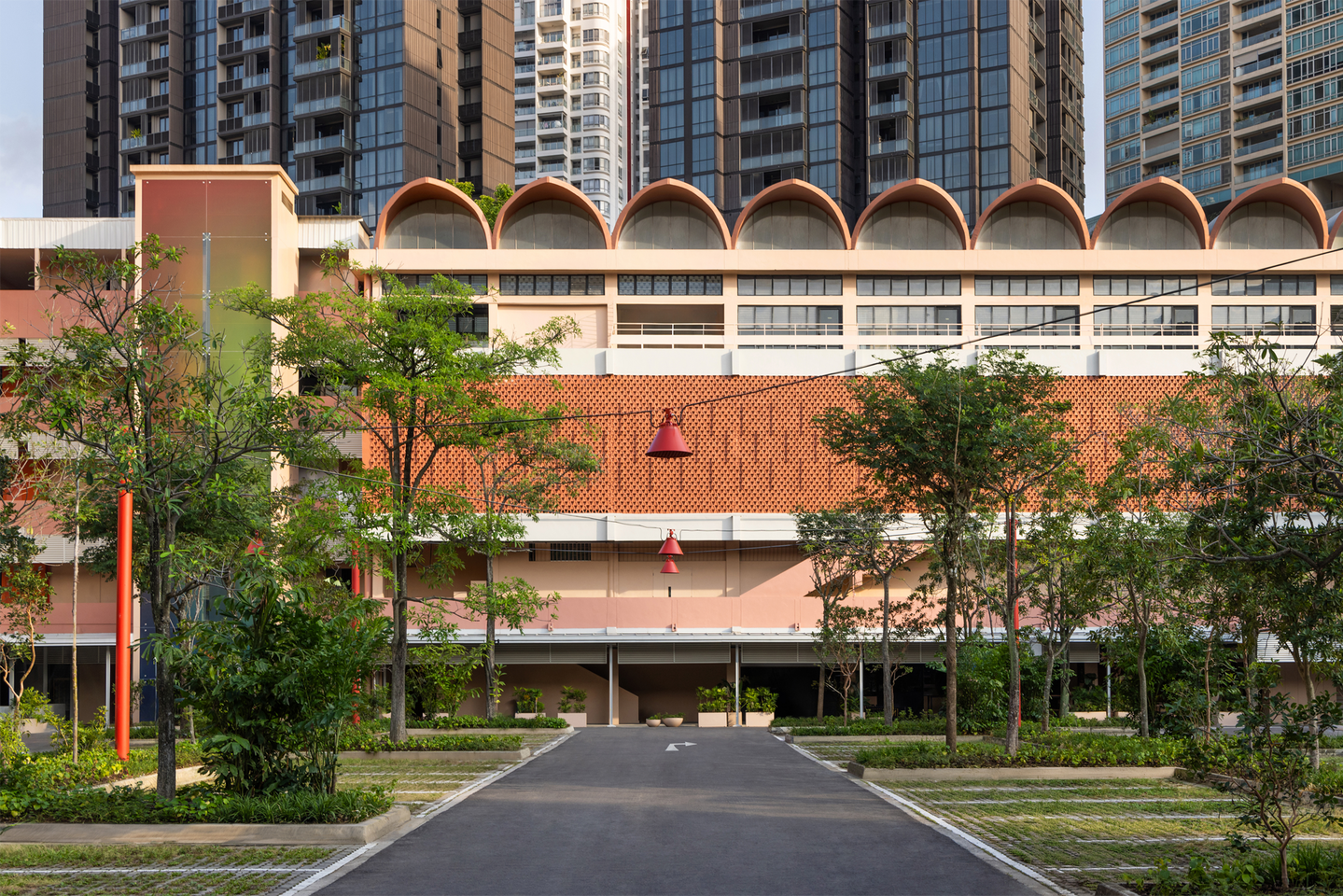
Inside New Bahru: The 1960s Singapore high school turned creative business incubator, where design is the priority
A 1960s Singaporean high school in New Bahru has been repurposed into a creative business incubator, prioritising design-led innovation.
The story
in brief.
What happened, who it affects, and why it landed on our intelligence desk — in plain English, sixty seconds or less.
A 1960s Singaporean high school in New Bahru has been repurposed into a creative business incubator, prioritising design-led innovation. This transformation repurposes heritage architecture to foster modern entrepreneurial activity, blending historical preservation with contemporary commercial needs. The initiative highlights a growing trend where adaptive reuse of educational infrastructure supports creative industries. For professionals, it signals a shift towards flexible, design-centric workspaces that value aesthetic and functional integration. The project demonstrates how legacy assets can be revitalised to serve emerging economic sectors, offering a model for sustainable urban development and community engagement in creative economies.
Indicative index of skill mentions in professional job postings for the field this story moves (2019 = 1)
What this means
for your career.
Every headline redistributes opportunity. Here is who this one rewards — and how to be on the right side of it.
This development signals that spatial intelligence and design thinking are becoming critical career assets. You should recognise that the ability to adapt legacy structures for modern creative use is a valuable skill set. Professionals in architecture, urban planning, and creative management must pay close attention to this trend. To stay competitive, you should develop expertise in adaptive reuse and design-led business models. Consider upskilling in project management for creative industries or innovation strategies that blend heritage with commerce. Engage with local creative ecosystems to understand how physical spaces influence productivity and brand identity. Your next step is to explore courses that bridge design, management, and spatial planning, ensuring you can lead projects that transform physical environments into dynamic hubs for innovation and economic growth.
For this story, the fields that convert it into pay are Innovation, Project Management, Business and Management and Engineering — exactly the programmes matched below. The chart shows the indicative salary uplift certified professionals report in each of those fields; every one of them is a click away, from £79, finishing in as few as 20 days.
Indicative ranges from published continuing-education salary studies, by field — each field is a recommended course below
Enrol in these
to benefit.
These programmes position you for exactly this shift — online, self-paced, and finishing with a verifiable certificate you can share the day you pass.
 Best match
Certificate in Innovation
 Recommended
Certificate in Project Management
 Recommended
Certificate in Business and Management
 Recommended
Certificate in Engineering
Launch pricing shown against standard certificate value. The fee you see today is the fee you lock in.
This briefing is based on reporting by It's Nice That on 6 Oct, 09:19. Read the original coverage →
Read the news. Then outrun it.
Every LSBR programme is online, self-paced and from £79 — so a headline today can be your credential this month.
