
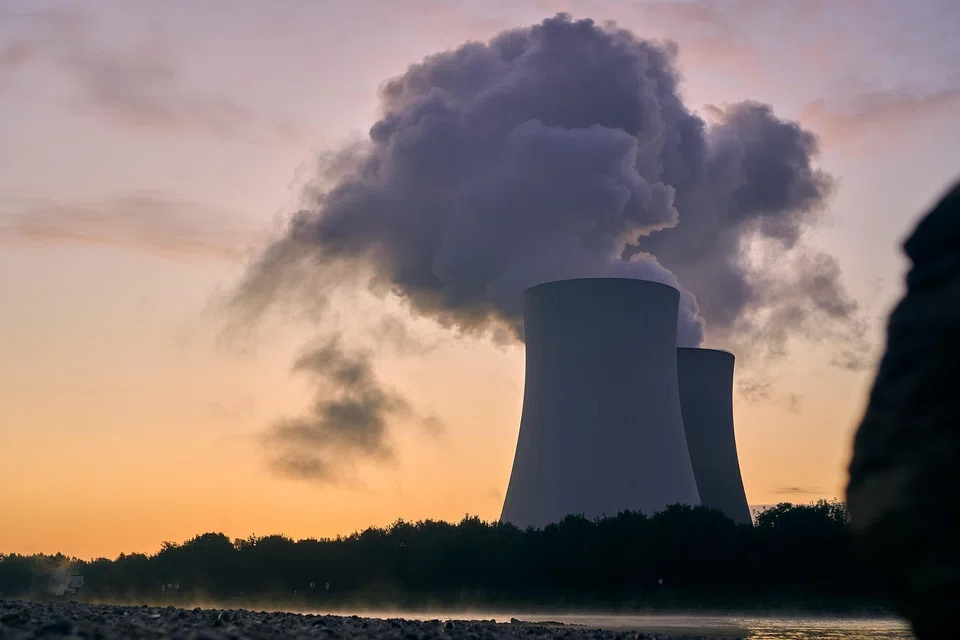
Is nuclear power back on the table for Singapore?
Recent reports suggest Singapore is seriously reconsidering nuclear power as part of its long-term energy strategy.
The story
in brief.
What happened, who it affects, and why it landed on our intelligence desk — in plain English, sixty seconds or less.
Recent reports suggest Singapore is seriously reconsidering nuclear power as part of its long-term energy strategy. This potential shift aims to diversify the nation's energy mix and support its net-zero carbon emissions targets by 2050. While no final decision has been made, the government is evaluating the feasibility of small modular reactors. This development marks a significant pivot from previous policies that largely excluded nuclear energy. Professionals in energy, engineering, and policy sectors are advised to monitor these developments closely, as they may reshape the local regulatory landscape and create new opportunities in the emerging low-carbon infrastructure market.
Indicative index of skill mentions in professional job postings for the field this story moves (2019 = 1)
What this means
for your career.
Every headline redistributes opportunity. Here is who this one rewards — and how to be on the right side of it.
If Singapore proceeds with nuclear energy, demand for specialised technical and regulatory expertise will surge immediately. You should prioritise upskilling in nuclear engineering, radiological safety, and complex project management. Professionals in Energy and Risk Management must understand the unique operational challenges of small modular reactors. A smart move is to pursue certifications in Occupational Health and Safety, specifically focusing on nuclear environments. You should also deepen your knowledge of Public Administration to navigate evolving regulatory frameworks. Position yourself as a bridge between technical teams and policy makers. This shift creates high-value roles in compliance, site preparation, and stakeholder engagement. Start networking with industry bodies now to gain early insights into emerging tender opportunities and skill requirements.
For this story, the fields that convert it into pay are Engineering, Risk Management, Occupational Health and Safety and Public Administration — exactly the programmes matched below. The chart shows the indicative salary uplift certified professionals report in each of those fields; every one of them is a click away, from £79, finishing in as few as 20 days.
Indicative ranges from published continuing-education salary studies, by field — each field is a recommended course below
Enrol in these
to benefit.
These programmes position you for exactly this shift — online, self-paced, and finishing with a verifiable certificate you can share the day you pass.
 Best match
Certificate in Engineering
 Recommended
Certificate in Risk Management
 Recommended
Certificate in Occupational Health and Safety
 Recommended
Certificate in Public Administration
Launch pricing shown against standard certificate value. The fee you see today is the fee you lock in.
This briefing is based on reporting by The Business Times on 25 Oct, 04:00. Read the original coverage →
Read the news. Then outrun it.
Every LSBR programme is online, self-paced and from £79 — so a headline today can be your credential this month.
