
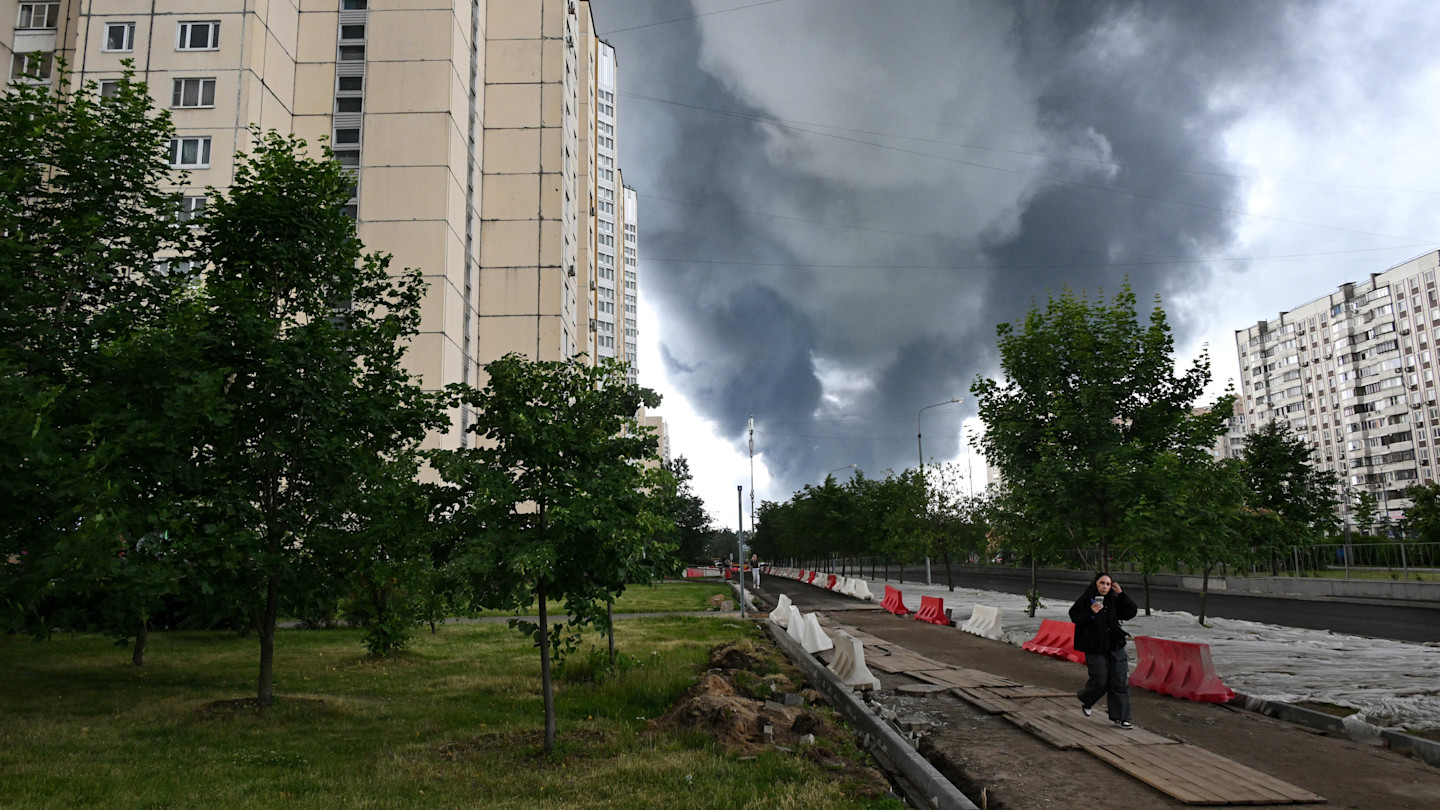
Kremlin pressures Russian businesses to pay for drone defences
Russian authorities are compelling domestic enterprises to fund their own defensive measures against drone attacks, shifting financial responsibility from the state to private operators.
The story
in brief.
What happened, who it affects, and why it landed on our intelligence desk — in plain English, sixty seconds or less.
Russian authorities are compelling domestic enterprises to fund their own defensive measures against drone attacks, shifting financial responsibility from the state to private operators. This directive underscores the escalating integration of military conflict into commercial operations. Businesses must now allocate capital towards physical security and asset protection amidst ongoing geopolitical instability. The move highlights a broader trend where corporate resilience increasingly depends on managing direct exposure to warfare, forcing executives to rethink budget priorities and operational continuity in high-risk environments.
Indicative index of skill mentions in professional job postings for the field this story moves (2019 = 1)
What this means
for your career.
Every headline redistributes opportunity. Here is who this one rewards — and how to be on the right side of it.
You must now treat physical security as a core business function, not just an IT concern. Professionals in risk management and operations will see heightened demand for expertise in threat assessment and emergency planning. If you lead teams, you need to understand how to integrate defensive costs into operational budgets without crippling profitability. Smart professionals will immediately upskill in crisis management and supply chain resilience, ensuring they can advise boards on protecting assets against asymmetric threats. Focus on understanding regulatory compliance in conflict zones and developing robust business continuity plans. This is no longer niche; it is essential for any role involving international operations or asset-heavy industries.
For this story, the fields that convert it into pay are Risk Management, Business and Management, Supply Chain and Cyber Security — exactly the programmes matched below. The chart shows the indicative salary uplift certified professionals report in each of those fields; every one of them is a click away, from £79, finishing in as few as 20 days.
Indicative ranges from published continuing-education salary studies, by field — each field is a recommended course below
Enrol in these
to benefit.
These programmes position you for exactly this shift — online, self-paced, and finishing with a verifiable certificate you can share the day you pass.
 Best match
Certificate in Risk Management
 Recommended
Certificate in Business and Management
 Recommended
Certificate in Supply Chain
 Recommended
Certificate in Cyber Security
Launch pricing shown against standard certificate value. The fee you see today is the fee you lock in.
This briefing is based on reporting by Financial Times on 28 Sep, 04:06. Read the original coverage →
Read the news. Then outrun it.
Every LSBR programme is online, self-paced and from £79 — so a headline today can be your credential this month.
