
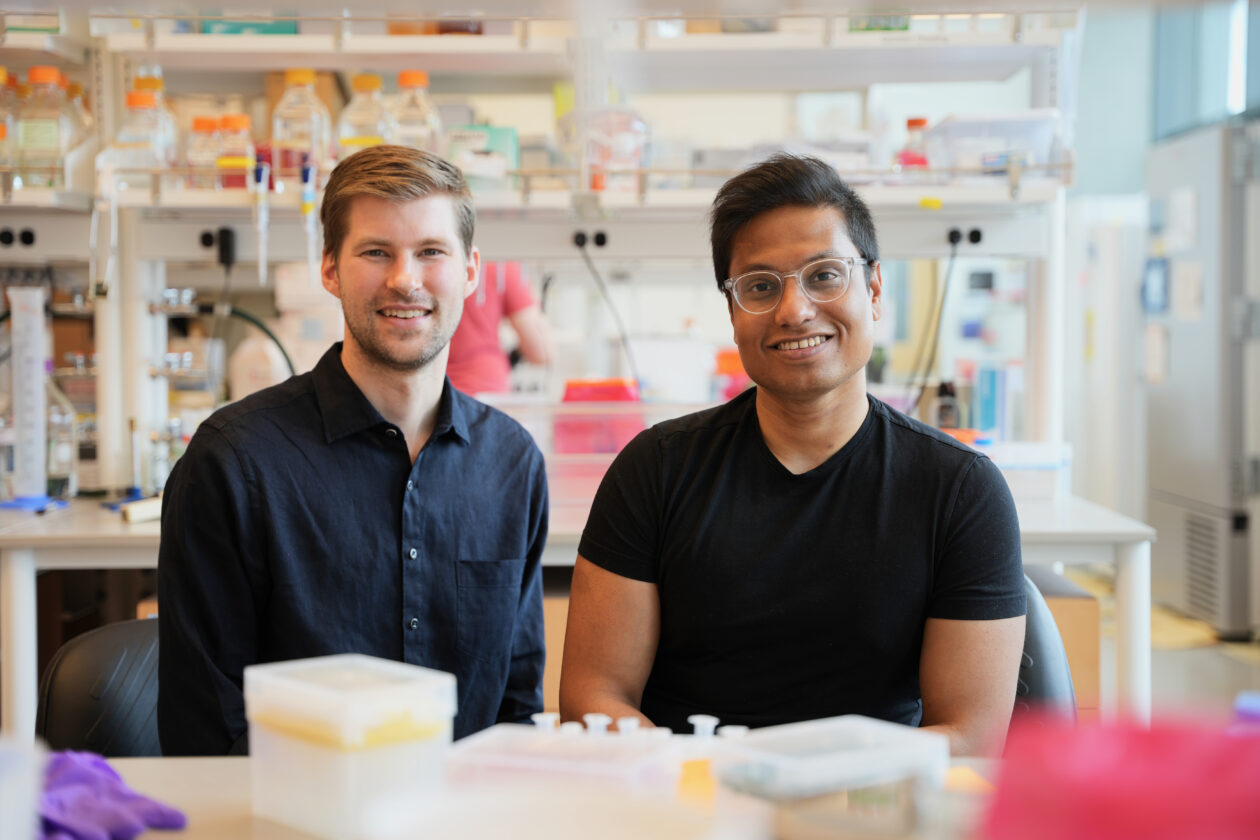
Lila Bio lands $3.65M grant to fight pulmonary hypertension with AI-designed proteins
Seattle-based biotechnology firm Lila Bio has secured a $3.65 million grant from the National Institutes of Health to advance its research into pulmonary hypertension.
The story
in brief.
What happened, who it affects, and why it landed on our intelligence desk — in plain English, sixty seconds or less.
Seattle-based biotechnology firm Lila Bio has secured a $3.65 million grant from the National Institutes of Health to advance its research into pulmonary hypertension. The company intends to utilise artificial intelligence to design novel proteins that target this specific cardiovascular condition. This funding supports their development of a proprietary platform capable of identifying and engineering therapeutic candidates more efficiently than traditional methods. The announcement highlights a growing intersection between computational biology and drug discovery, demonstrating how AI-driven approaches are accelerating progress in treating complex diseases. For industry observers, this represents a significant validation of AI’s role in modern pharmaceutical research and development pipelines.
Indicative index of skill mentions in professional job postings for the field this story moves (2019 = 1)
What this means
for your career.
Every headline redistributes opportunity. Here is who this one rewards — and how to be on the right side of it.
This development signals a critical shift in biotech recruitment, prioritising candidates who bridge biological science and computational expertise. If you work in healthcare or tech, you must now understand how AI accelerates drug discovery. Professionals in data science should specialise in protein structure prediction, while biologists must upskill in machine learning applications. You should pay attention to the rising demand for interdisciplinary teams that can translate algorithmic outputs into viable clinical candidates. A smart professional would immediately audit their skill set for gaps in computational biology or AI strategy. Consider enrolling in courses that combine healthcare management with artificial intelligence to remain competitive. Ignoring this convergence risks obsolescence in a rapidly evolving sector where technical fluency is no longer optional but essential for career progression.
For this story, the fields that convert it into pay are AI in Pharmaceuticals, Artificial Intelligence, Healthcare Management and Data Science — exactly the programmes matched below. The chart shows the indicative salary uplift certified professionals report in each of those fields; every one of them is a click away, from £79, finishing in as few as 20 days.
Indicative ranges from published continuing-education salary studies, by field — each field is a recommended course below
Enrol in these
to benefit.
These programmes position you for exactly this shift — online, self-paced, and finishing with a verifiable certificate you can share the day you pass.
 Best match
Certificate in AI in Pharmaceuticals
 Recommended
Certificate in Artificial Intelligence
 Recommended
Certificate in Healthcare Management
 Recommended
Certificate in Data Science
Launch pricing shown against standard certificate value. The fee you see today is the fee you lock in.
This briefing is based on reporting by GeekWire on 11 Nov, 22:31. Read the original coverage →
Read the news. Then outrun it.
Every LSBR programme is online, self-paced and from £79 — so a headline today can be your credential this month.
