
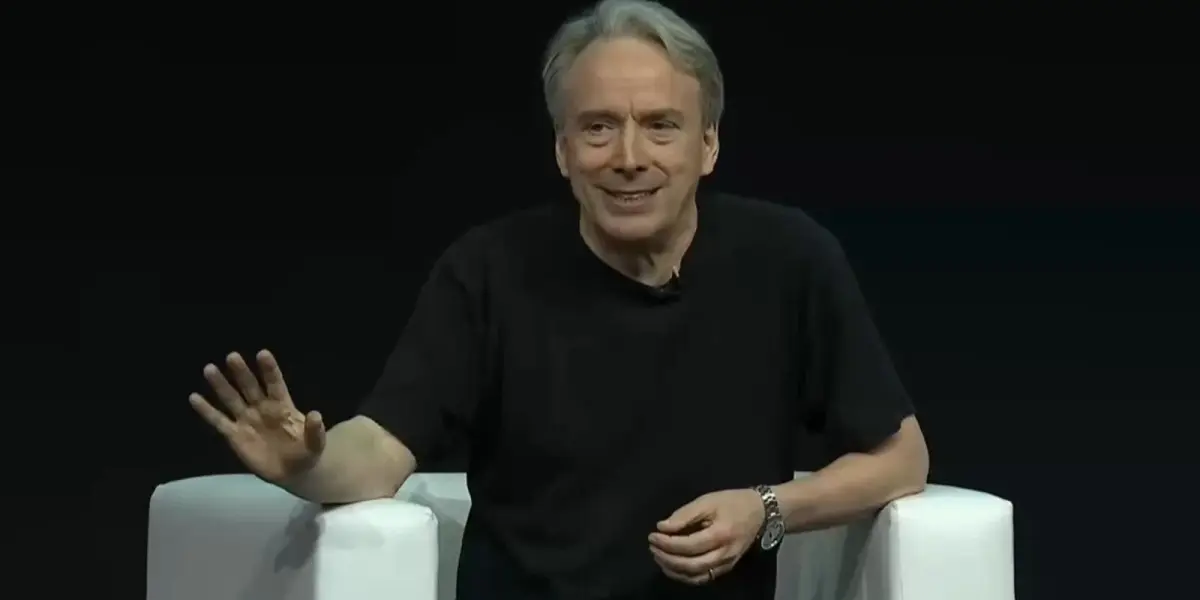
Linus Torvalds says Linux kernel is out of ‘stabilization phase’ and using ‘much healthier model’ for AI contributions
Linus Torvalds has declared that the Linux kernel has emerged from its initial stabilization period regarding artificial intelligence contributions.
The story
in brief.
What happened, who it affects, and why it landed on our intelligence desk — in plain English, sixty seconds or less.
Linus Torvalds has declared that the Linux kernel has emerged from its initial stabilization period regarding artificial intelligence contributions. He asserts that the project is now utilising a significantly healthier model for integrating AI-generated code. This shift suggests that the community has established more robust processes for reviewing and accepting automated submissions. For technology professionals, this marks a pivotal moment where AI assistance is no longer viewed with extreme caution but is being systematically incorporated into one of the world’s most critical infrastructure projects. It signals a maturation of AI workflows in core software development, indicating that rigorous human oversight combined with AI efficiency is becoming the new standard for large-scale open-source maintenance and engineering excellence.
Indicative index of skill mentions in professional job postings for the field this story moves (2019 = 1)
What this means
for your career.
Every headline redistributes opportunity. Here is who this one rewards — and how to be on the right side of it.
This development signals that AI proficiency is now essential for senior engineering roles, not just experimental ones. You must evolve from merely using AI tools to understanding how to govern them within strict quality frameworks. Professionals in software architecture and DevOps should prioritise learning rigorous code review processes for AI-generated output. If you are a developer, focus on mastering the scrutiny of automated code to ensure security and stability. For managers, this highlights the need to implement structured AI integration policies. A smart professional would immediately update their workflow to include AI-assisted coding but pair it with enhanced verification skills. You should also study open-source contribution guidelines, as these will increasingly dictate how AI tools are permitted in enterprise environments. Embrace this shift to position yourself as a leader in responsible AI adoption.
For this story, the fields that convert it into pay are Engineering, Artificial Intelligence, AI in Engineering and Cyber Security — exactly the programmes matched below. The chart shows the indicative salary uplift certified professionals report in each of those fields; every one of them is a click away, from £79, finishing in as few as 20 days.
Indicative ranges from published continuing-education salary studies, by field — each field is a recommended course below
Enrol in these
to benefit.
These programmes position you for exactly this shift — online, self-paced, and finishing with a verifiable certificate you can share the day you pass.
 Best match
Certificate in Engineering
 Recommended
Certificate in Artificial Intelligence
 Recommended
Certificate in AI in Engineering
 Recommended
Certificate in Cyber Security
Launch pricing shown against standard certificate value. The fee you see today is the fee you lock in.
This briefing is based on reporting by The Register on 1 Nov, 23:11. Read the original coverage →
Read the news. Then outrun it.
Every LSBR programme is online, self-paced and from £79 — so a headline today can be your credential this month.
