
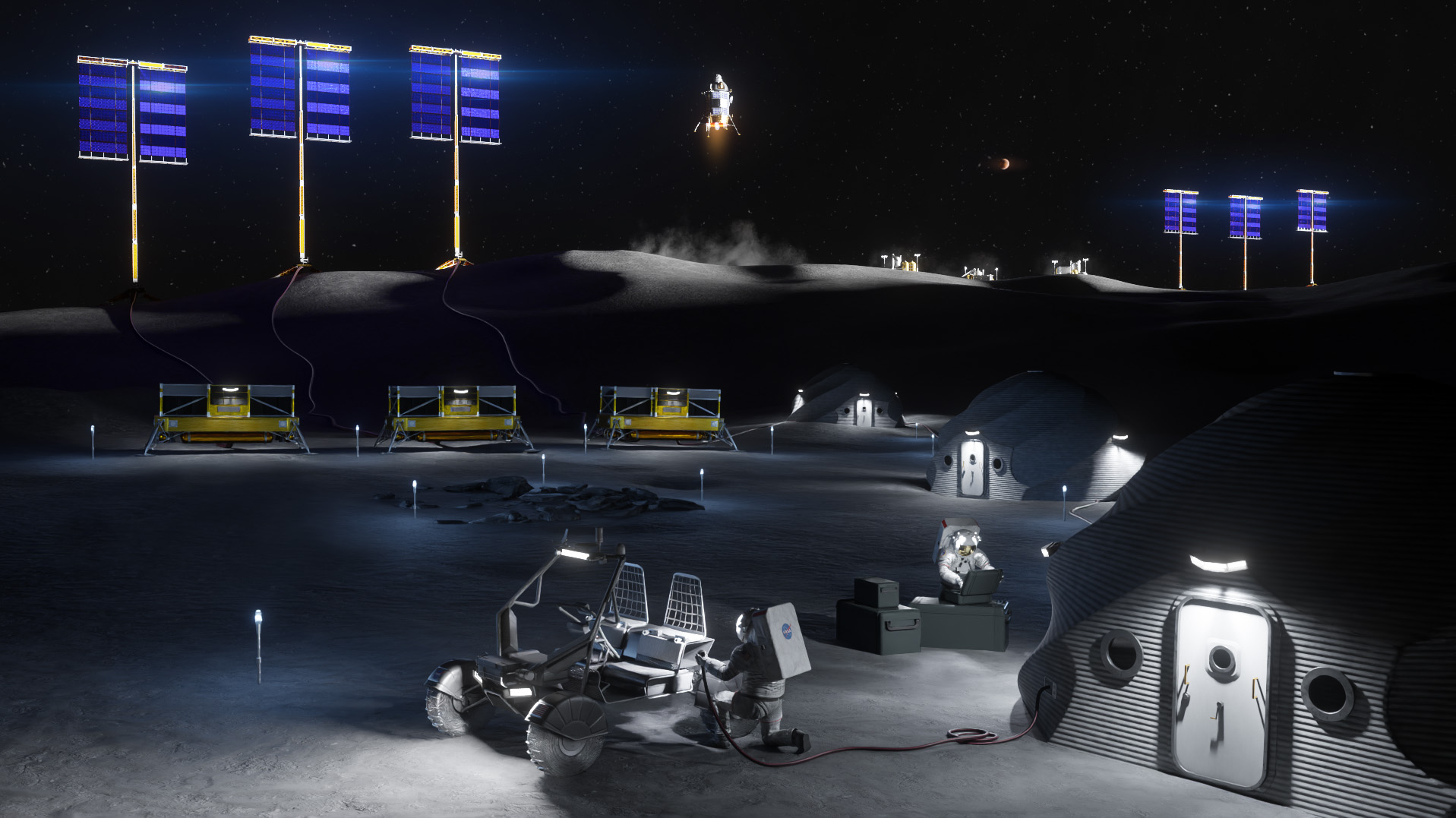
Lunar Surface Technology
NASA has recently published new details regarding advanced technologies designed for the lunar surface, focusing on sustainable infrastructure and resource utilisation.
The story
in brief.
What happened, who it affects, and why it landed on our intelligence desk — in plain English, sixty seconds or less.
NASA has recently published new details regarding advanced technologies designed for the lunar surface, focusing on sustainable infrastructure and resource utilisation. The report outlines innovations in habitat construction, power generation, and autonomous systems intended to support long-term exploration missions. These developments highlight a shift towards permanent presence rather than short-term visits. For professionals, this signals a growing demand for expertise in extreme environment engineering, remote operations, and international regulatory frameworks. The initiative underscores the increasing intersection of aerospace technology with commercial applications, offering insights into how space-derived solutions might eventually benefit terrestrial industries facing similar logistical and environmental challenges.
Indicative index of skill mentions in professional job postings for the field this story moves (2019 = 1)
What this means
for your career.
Every headline redistributes opportunity. Here is who this one rewards — and how to be on the right side of it.
This development signals a significant expansion in the space economy, creating high-value opportunities for specialists in engineering, project management, and risk assessment. You should focus on acquiring skills in systems integration and autonomous operations, as these are critical for lunar infrastructure. Professionals in supply chain and logistics must also adapt to understanding extraterrestrial resource constraints. Smart movers will upskill in regulatory compliance for international space law and sustainable technology design. By positioning yourself at the intersection of traditional engineering and emerging space technologies, you future-proof your career against terrestrial market fluctuations. Prioritise certifications in advanced materials or remote sensing to remain competitive in this rapidly evolving sector.
For this story, the fields that convert it into pay are Engineering, Project Management, Risk Management and Supply Chain — exactly the programmes matched below. The chart shows the indicative salary uplift certified professionals report in each of those fields; every one of them is a click away, from £79, finishing in as few as 20 days.
Indicative ranges from published continuing-education salary studies, by field — each field is a recommended course below
Enrol in these
to benefit.
These programmes position you for exactly this shift — online, self-paced, and finishing with a verifiable certificate you can share the day you pass.
 Best match
Certificate in Engineering
 Recommended
Certificate in Project Management
Recommended
Certificate in Risk Management
 Recommended
Certificate in Supply Chain
Launch pricing shown against standard certificate value. The fee you see today is the fee you lock in.
This briefing is based on reporting by nasa.gov on 2 Oct, 07:26. Read the original coverage →
Read the news. Then outrun it.
Every LSBR programme is online, self-paced and from £79 — so a headline today can be your credential this month.
