
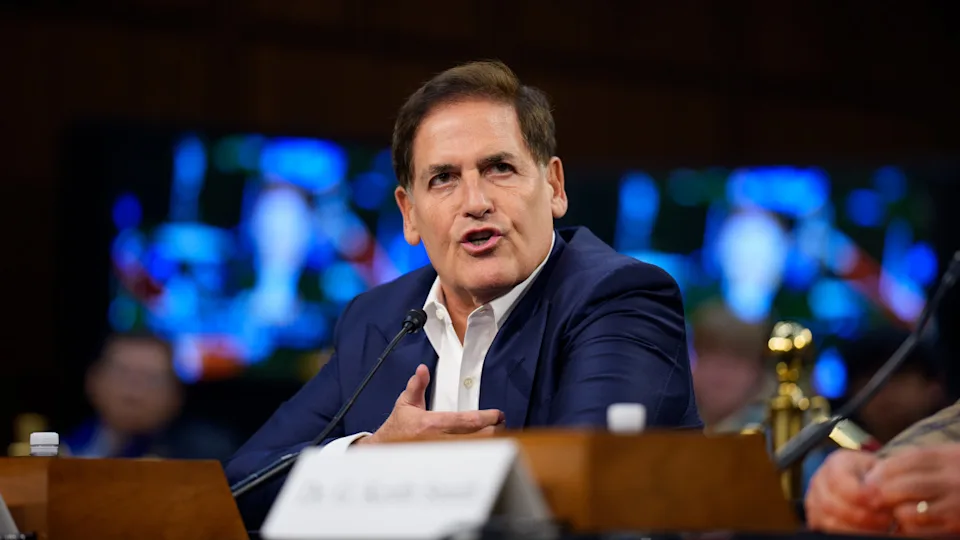
Mark Cuban: Your 401(k) makes you part of the cost of healthcare problem — should you ditch funds tied to Big Insurance?
Mark Cuban has publicly questioned the role of 401(k) funds invested in major insurance companies, suggesting they contribute to rising healthcare costs.
The story
in brief.
What happened, who it affects, and why it landed on our intelligence desk — in plain English, sixty seconds or less.
Mark Cuban has publicly questioned the role of 401(k) funds invested in major insurance companies, suggesting they contribute to rising healthcare costs. He advises investors to consider divesting from funds linked to Big Insurance to address systemic pricing issues. This commentary highlights the intersection of personal finance and healthcare policy, urging professionals to evaluate their retirement portfolios critically. The story reflects growing scrutiny of corporate influence on medical pricing, prompting debates on ethical investing and the long-term sustainability of current healthcare models within the broader economic landscape.
Indicative index of skill mentions in professional job postings for the field this story moves (2019 = 1)
What this means
for your career.
Every headline redistributes opportunity. Here is who this one rewards — and how to be on the right side of it.
This debate signals a shift towards ethical investing, elevating the value of financial literacy and ESG analysis skills. As professionals face pressure to align portfolios with personal values, understanding the intersection of healthcare economics and investment strategy becomes crucial. You should scrutinise your retirement holdings, assessing exposure to insurance giants. Smart professionals will develop expertise in sustainable finance, enabling them to navigate complex fund structures and advocate for responsible corporate governance. Engaging with these trends positions you to advise peers or lead internal initiatives on ethical asset allocation, enhancing your strategic influence within your organisation.
For this story, the fields that convert it into pay are Finance, Healthcare Management, Risk Management and Business and Management — exactly the programmes matched below. The chart shows the indicative salary uplift certified professionals report in each of those fields; every one of them is a click away, from £79, finishing in as few as 20 days.
Indicative ranges from published continuing-education salary studies, by field — each field is a recommended course below
Enrol in these
to benefit.
These programmes position you for exactly this shift — online, self-paced, and finishing with a verifiable certificate you can share the day you pass.
 Best match
Certificate in Finance
 Recommended
Certificate in Healthcare Management
Recommended
Certificate in Risk Management
 Recommended
Certificate in Business and Management
Launch pricing shown against standard certificate value. The fee you see today is the fee you lock in.
This briefing is based on reporting by Yahoo Finance on 1 Nov, 11:45. Read the original coverage →
Read the news. Then outrun it.
Every LSBR programme is online, self-paced and from £79 — so a headline today can be your credential this month.
