
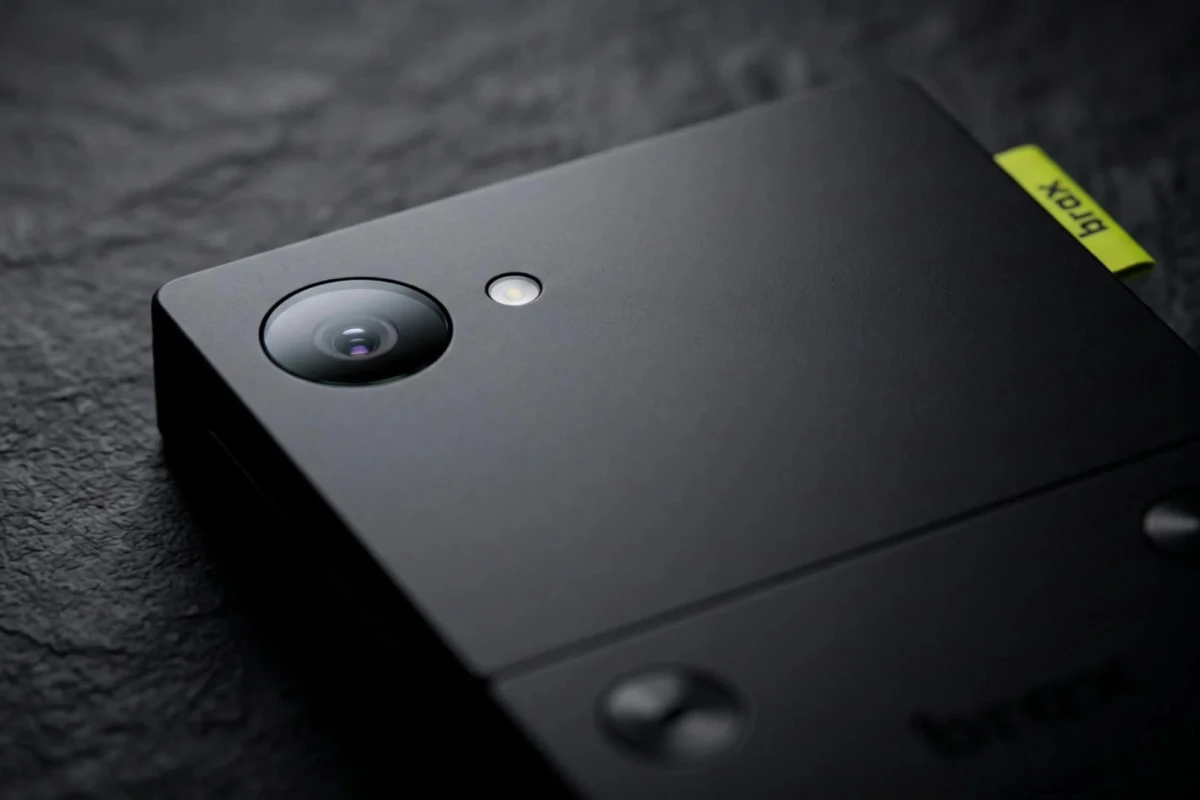
Modular phone promises total privacy at the flick of a switch
A new modular smartphone design prioritises user privacy by incorporating a physical hardware switch that instantly disconnects cameras, microphones, and other sensors.
The story
in brief.
What happened, who it affects, and why it landed on our intelligence desk — in plain English, sixty seconds or less.
A new modular smartphone design prioritises user privacy by incorporating a physical hardware switch that instantly disconnects cameras, microphones, and other sensors. This mechanical solution offers tangible assurance against digital surveillance, appealing to users concerned about data breaches and constant connectivity. The device represents a shift towards hardware-level security controls rather than relying solely on software permissions, addressing growing demand for transparent and user-controlled technology in personal and professional communications.
Indicative index of skill mentions in professional job postings for the field this story moves (2019 = 1)
What this means
for your career.
Every headline redistributes opportunity. Here is who this one rewards — and how to be on the right side of it.
This development signals a heightened demand for expertise in hardware-software integration and privacy-by-design principles. As professionals, you must anticipate stricter regulatory environments and client expectations regarding data sovereignty. Roles in product security, compliance, and ethical engineering will gain significant value. You should focus on understanding the technical limitations of software-only security and the growing importance of physical security controls. Consider upskilling in secure system architecture to advise organisations on balancing usability with robust privacy features. Staying ahead requires recognising that trust is now a tangible product feature, not just a marketing claim. Proactively explore how these hardware constraints influence user experience design and data governance strategies within your industry.
For this story, the fields that convert it into pay are Cyber Security, Engineering, AI in Cyber Security and Risk Management — exactly the programmes matched below. The chart shows the indicative salary uplift certified professionals report in each of those fields; every one of them is a click away, from £79, finishing in as few as 20 days.
Indicative ranges from published continuing-education salary studies, by field — each field is a recommended course below
Enrol in these
to benefit.
These programmes position you for exactly this shift — online, self-paced, and finishing with a verifiable certificate you can share the day you pass.
 Best match
Certificate in Cyber Security
 Recommended
Certificate in Engineering
 Recommended
Certificate in AI in Cyber Security
 Recommended
Certificate in Risk Management
Launch pricing shown against standard certificate value. The fee you see today is the fee you lock in.
This briefing is based on reporting by New Atlas on 24 Oct, 00:08. Read the original coverage →
Read the news. Then outrun it.
Every LSBR programme is online, self-paced and from £79 — so a headline today can be your credential this month.
