
More kids are using AI for companionship — and it’s making them lonely
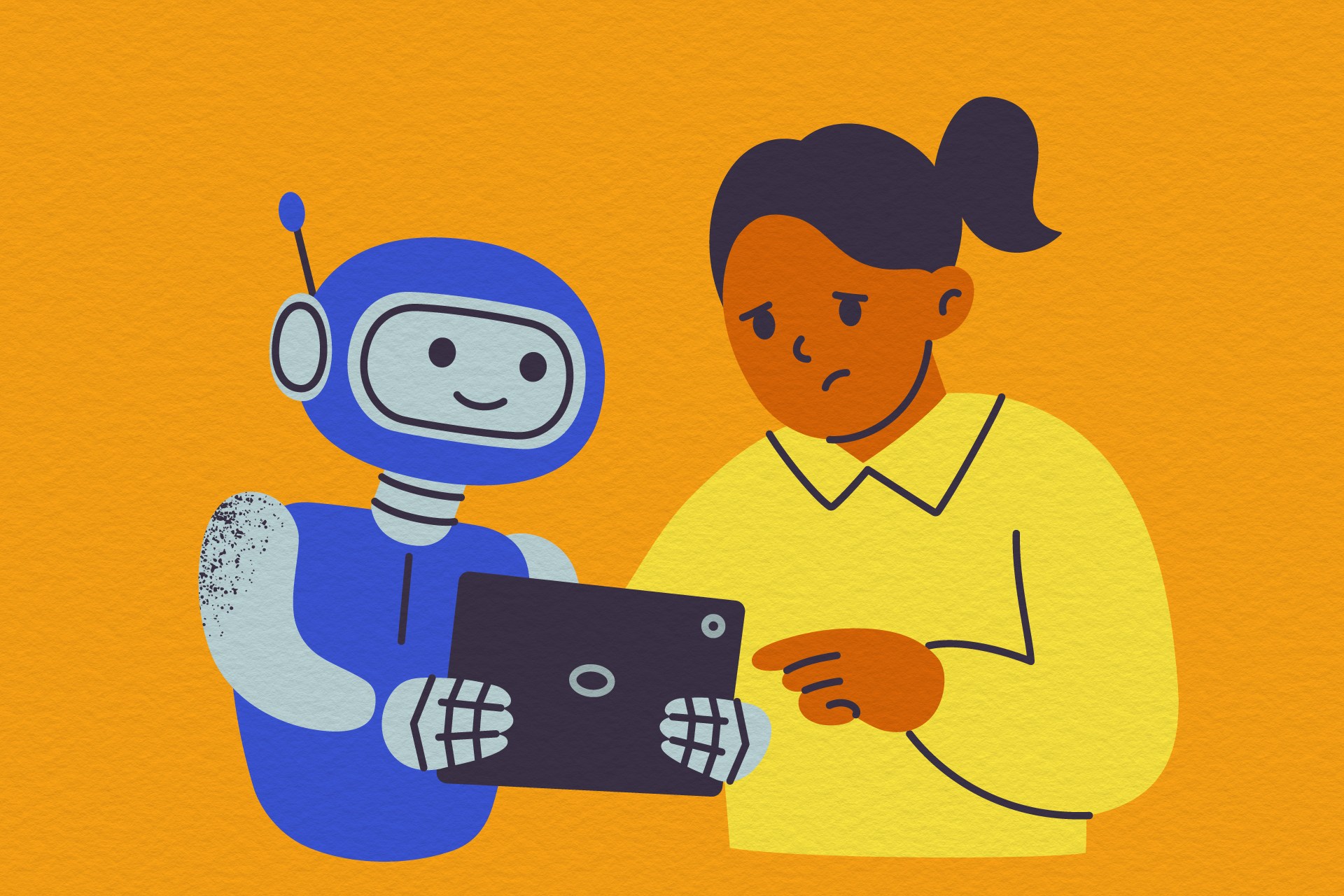
Recent reporting indicates a growing trend among children utilising artificial intelligence for companionship, paradoxically resulting in increased feelings of loneliness.
The story
in brief.
What happened, who it affects, and why it landed on our intelligence desk — in plain English, sixty seconds or less.
Recent reporting indicates a growing trend among children utilising artificial intelligence for companionship, paradoxically resulting in increased feelings of loneliness. This phenomenon highlights a disconnect between digital interaction and genuine social connection. For professionals, this underscores the complex psychological impacts of emerging technologies on younger demographics. It suggests that while AI offers accessibility, it may lack the depth required for meaningful human relationships. Understanding these dynamics is crucial for sectors involving youth engagement, mental health support, and technology development, as the societal implications of AI-driven isolation become increasingly evident in daily life.
Indicative index of skill mentions in professional job postings for the field this story moves (2019 = 1)
What this means
for your career.
Every headline redistributes opportunity. Here is who this one rewards — and how to be on the right side of it.
You must recognise that emotional intelligence and human-centric design are becoming critical differentiators in the workplace. As AI handles transactional tasks, your ability to foster genuine human connection rises in value. Pay close attention if you work in education, mental health, or product development, as these sectors face immediate pressure to address this social deficit. A smart professional would immediately upskill in psychological insights and ethical AI implementation. You should advocate for policies that prioritise human interaction over automated convenience in your organisation. By integrating empathy into your strategic planning, you position yourself as a leader who understands the holistic impact of technology, ensuring your team builds solutions that enhance, rather than erode, social well-being.
For this story, the fields that convert it into pay are AI in Mental Health, Psychology, Education and AI Strategy — exactly the programmes matched below. The chart shows the indicative salary uplift certified professionals report in each of those fields; every one of them is a click away, from £79, finishing in as few as 20 days.
Indicative ranges from published continuing-education salary studies, by field — each field is a recommended course below
Enrol in these
to benefit.
These programmes position you for exactly this shift — online, self-paced, and finishing with a verifiable certificate you can share the day you pass.
 Best match
Certificate in AI in Mental Health
 Recommended
Certificate in Psychology
 Recommended
Certificate in Education
 Recommended
Certificate in AI Strategy
Launch pricing shown against standard certificate value. The fee you see today is the fee you lock in.
This briefing is based on reporting by vox.com on 2 Oct, 11:30. Read the original coverage →
Read the news. Then outrun it.
Every LSBR programme is online, self-paced and from £79 — so a headline today can be your credential this month.
