
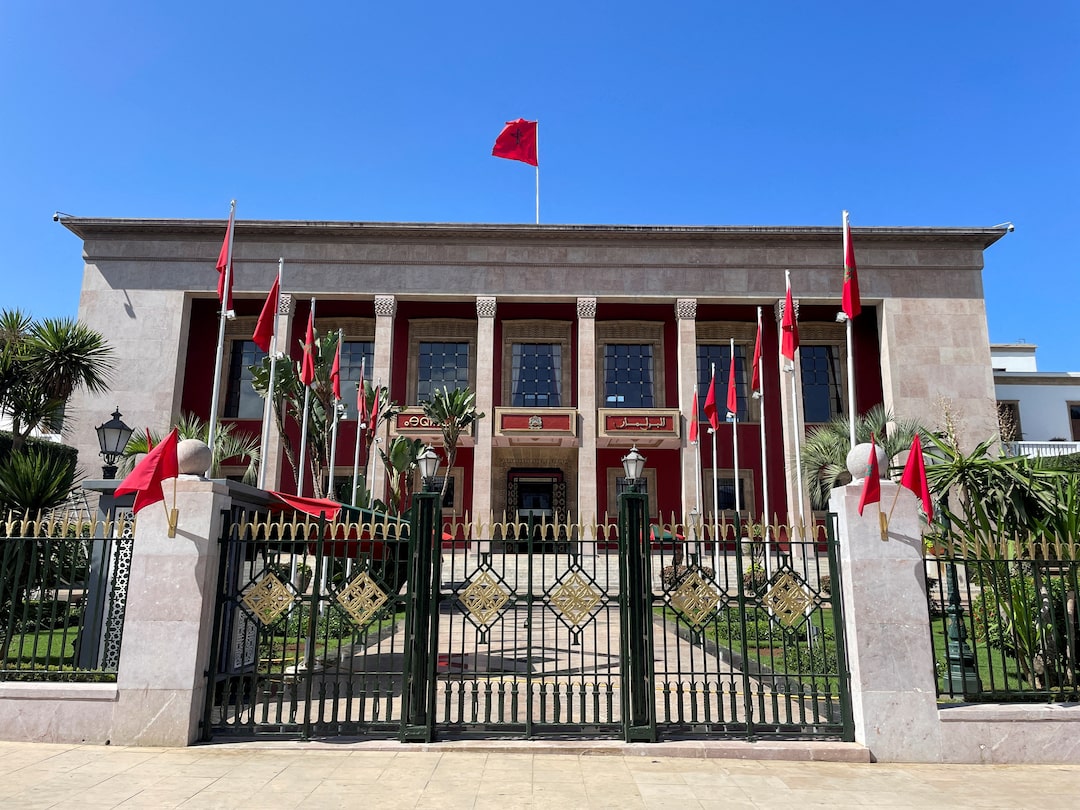
Morocco's new government has new finance minister, keeps foreign, interior ministers unchanged
Morocco’s newly formed government has appointed a fresh Finance Minister while retaining the existing Foreign and Interior Ministers.
The story
in brief.
What happened, who it affects, and why it landed on our intelligence desk — in plain English, sixty seconds or less.
Morocco’s newly formed government has appointed a fresh Finance Minister while retaining the existing Foreign and Interior Ministers. This partial cabinet reshuffle signals continuity in diplomatic and domestic security policy, alongside a potential shift in fiscal strategy. For professionals monitoring North African markets, this indicates stability in core governance areas but suggests evolving economic priorities under new financial leadership. The move allows investors and business leaders to anticipate adjustments in budgetary allocations and regulatory frameworks, while maintaining established international relations. This balanced approach aims to reassure stakeholders of political steadiness while introducing new economic perspectives to drive national development objectives.
Indicative index of skill mentions in professional job postings for the field this story moves (2019 = 1)
What this means
for your career.
Every headline redistributes opportunity. Here is who this one rewards — and how to be on the right side of it.
This cabinet reshuffle directly impacts professionals engaged with Moroccan markets or broader North African trade. With a new Finance Minister, expect shifts in fiscal policy, taxation, and public spending priorities. You should closely monitor upcoming budget announcements for signals on infrastructure investment, foreign direct incentives, and regulatory changes. Strengthen your expertise in international finance and cross-border risk assessment to navigate these transitions effectively. Professionals in consulting, trade, and investment banking must adapt their strategies to align with the new fiscal agenda. Proactively update your market analysis frameworks and engage with local networks to interpret policy nuances. Prioritising skills in financial regulation and strategic advisory will position you to advise clients accurately on emerging opportunities within this evolving political landscape.
For this story, the fields that convert it into pay are Finance and Accounting, Risk Management, Public Administration and Business and Management — exactly the programmes matched below. The chart shows the indicative salary uplift certified professionals report in each of those fields; every one of them is a click away, from £79, finishing in as few as 20 days.
Indicative ranges from published continuing-education salary studies, by field — each field is a recommended course below
Enrol in these
to benefit.
These programmes position you for exactly this shift — online, self-paced, and finishing with a verifiable certificate you can share the day you pass.
 Best match
Certificate in Finance and Accounting
Recommended
Certificate in Risk Management
 Recommended
Certificate in Public Administration
 Recommended
Certificate in Business and Management
Launch pricing shown against standard certificate value. The fee you see today is the fee you lock in.
This briefing is based on reporting by Reuters on 16 Oct, 18:55. Read the original coverage →
Read the news. Then outrun it.
Every LSBR programme is online, self-paced and from £79 — so a headline today can be your credential this month.
