
Multistation AI Improves Regional Atmospheric Profiles
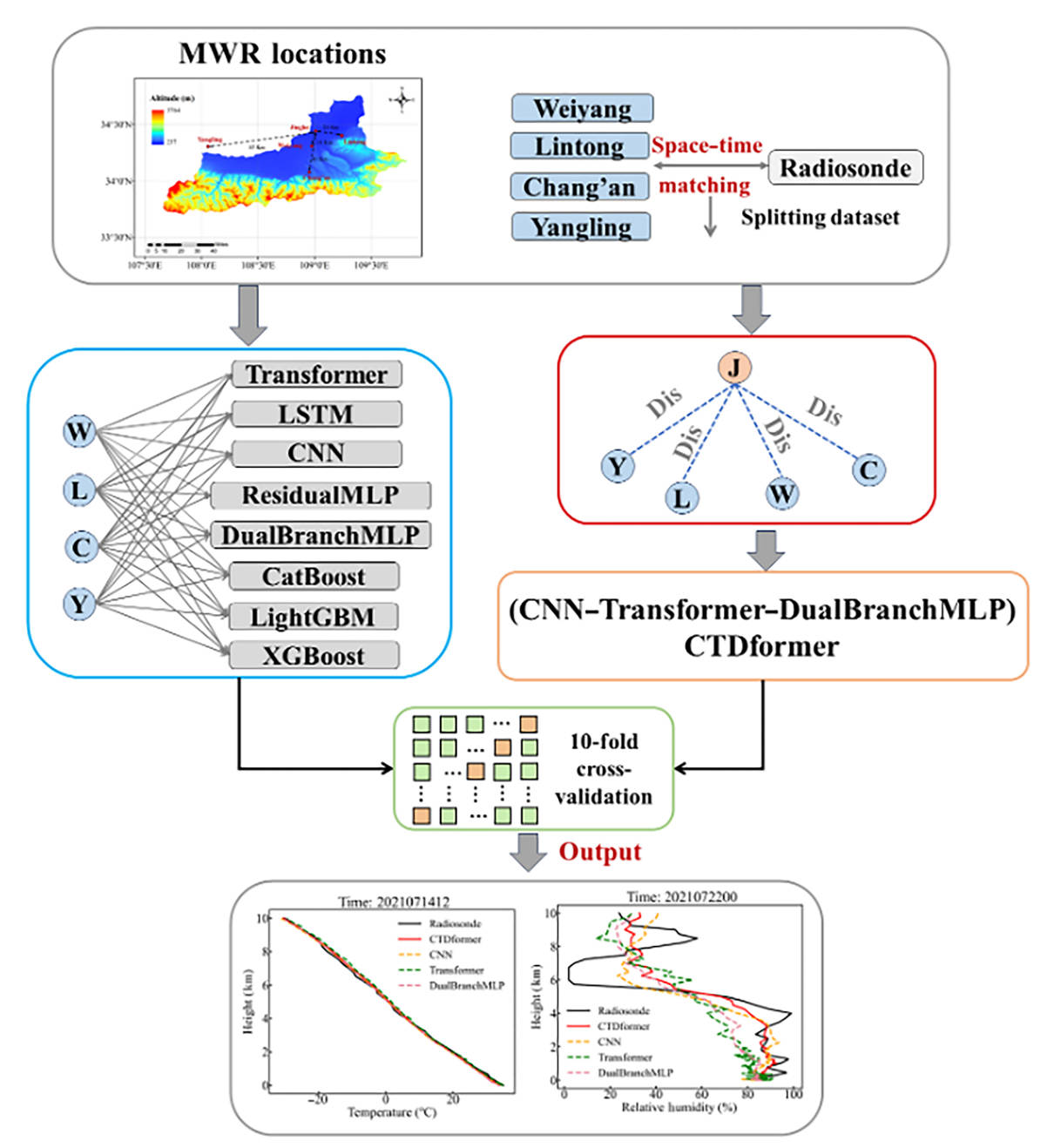
Recent reporting from the Detroit Free Press highlights advancements in multistation artificial intelligence systems designed to enhance regional atmospheric profiling.
The story
in brief.
What happened, who it affects, and why it landed on our intelligence desk — in plain English, sixty seconds or less.
Recent reporting from the Detroit Free Press highlights advancements in multistation artificial intelligence systems designed to enhance regional atmospheric profiling. This technology integrates data from multiple monitoring stations to produce more accurate and detailed analyses of local weather patterns and air quality metrics. The development suggests a significant shift in how environmental data is processed and interpreted, moving towards more granular, real-time insights. For professionals in environmental science, meteorology, and related technical fields, this signals an evolving landscape where AI-driven predictive models are becoming central to understanding complex atmospheric dynamics and improving public safety infrastructure.
Indicative index of skill mentions in professional job postings for the field this story moves (2019 = 1)
What this means
for your career.
Every headline redistributes opportunity. Here is who this one rewards — and how to be on the right side of it.
This development means you must prioritise skills in data integration and predictive modelling. Professionals in environmental monitoring, meteorology, and civil infrastructure should pay close attention. As AI systems become standard for atmospheric analysis, roles requiring pure manual data entry will diminish, while those capable of interpreting AI-generated insights will rise in value. You should focus on strengthening your proficiency in data analytics and understanding how machine learning algorithms process spatial data. Consider upskilling in AI strategy to align technical capabilities with organisational goals. A smart professional would immediately explore training in data science and engineering to remain competitive. Ignoring this shift risks obsolescence in sectors reliant on accurate environmental forecasting and risk assessment.
For this story, the fields that convert it into pay are Data Science, AI Strategy, Engineering and Risk Management — exactly the programmes matched below. The chart shows the indicative salary uplift certified professionals report in each of those fields; every one of them is a click away, from £79, finishing in as few as 20 days.
Indicative ranges from published continuing-education salary studies, by field — each field is a recommended course below
Enrol in these
to benefit.
These programmes position you for exactly this shift — online, self-paced, and finishing with a verifiable certificate you can share the day you pass.
 Best match
Certificate in Data Science
 Recommended
Certificate in AI Strategy
 Recommended
Certificate in Engineering
Recommended
Certificate in Risk Management
Launch pricing shown against standard certificate value. The fee you see today is the fee you lock in.
This briefing is based on reporting by Detroit Free Press on 4 Nov, 07:48. Read the original coverage →
Read the news. Then outrun it.
Every LSBR programme is online, self-paced and from £79 — so a headline today can be your credential this month.
