
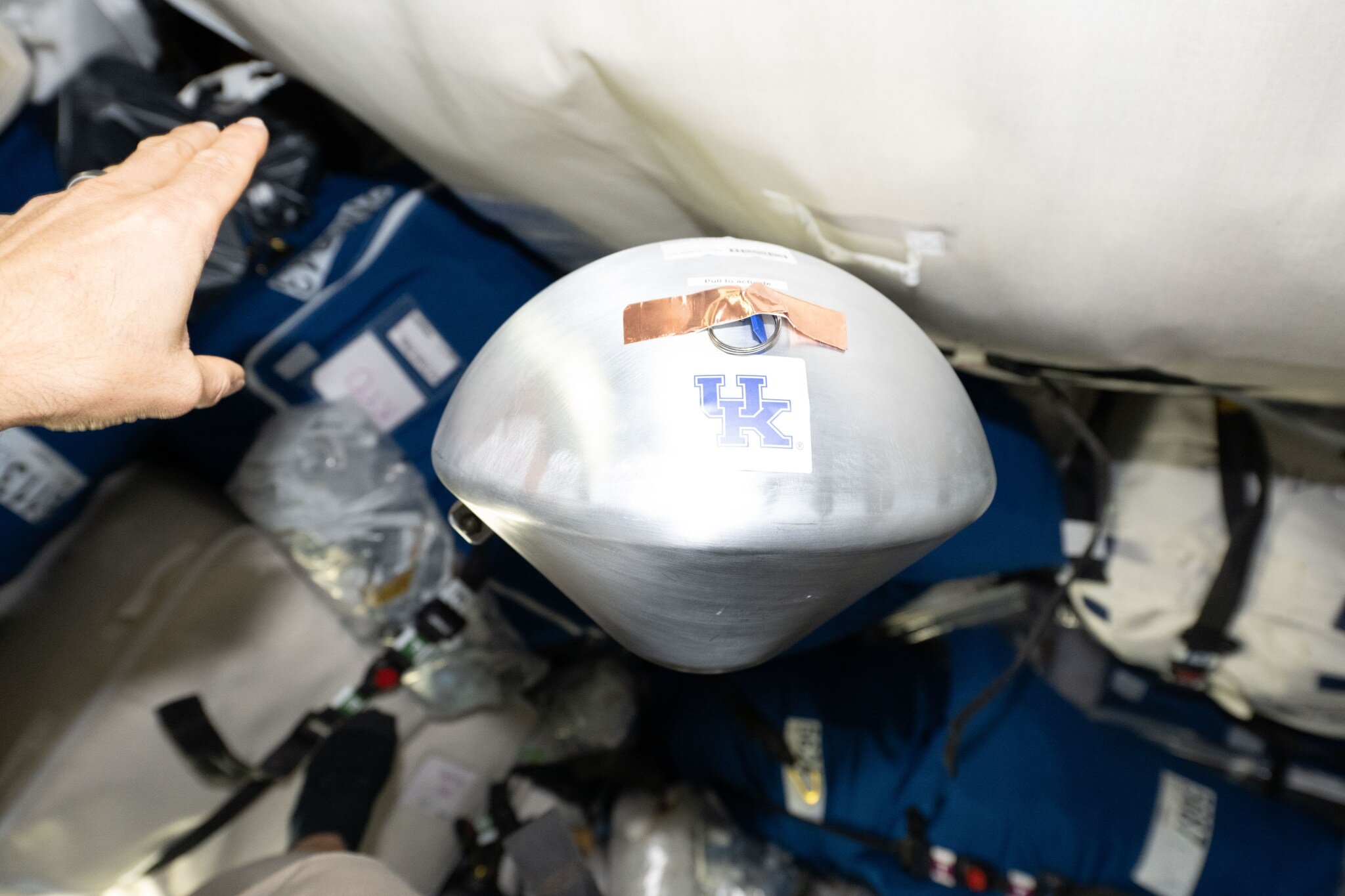
NASA demonstrates next-generation heat shield technologies
NASA has successfully demonstrated advanced heat shield technologies designed for next-generation spacecraft.
The story
in brief.
What happened, who it affects, and why it landed on our intelligence desk — in plain English, sixty seconds or less.
NASA has successfully demonstrated advanced heat shield technologies designed for next-generation spacecraft. These innovations aim to improve the safety and efficiency of re-entry missions, particularly for deep-space exploration. The tests validate new materials and designs that can withstand extreme temperatures better than current systems. This progress supports future missions to Mars and beyond, ensuring crew and payload protection during atmospheric descent. The demonstration marks a significant step in aerospace engineering, confirming the viability of these technologies for upcoming space exploration programmes and commercial spaceflight initiatives.
Indicative index of skill mentions in professional job postings for the field this story moves (2019 = 1)
What this means
for your career.
Every headline redistributes opportunity. Here is who this one rewards — and how to be on the right side of it.
This breakthrough signals a surge in demand for high-level aerospace and materials engineering expertise. You should focus on advanced thermodynamics and thermal protection systems to remain competitive. Professionals in project management within defence or space sectors must understand these technical milestones to secure contracts. Upskill in computational fluid dynamics or composite materials to align with industry needs. Monitor government funding announcements, as these often follow such demonstrations. Networking with aerospace firms will position you for roles in R&D or technical leadership. Ignoring this trend could limit your relevance in the growing commercial space economy. Act now by reviewing current certification requirements in engineering management to capitalise on emerging opportunities.
For this story, the fields that convert it into pay are Engineering, Project Management, Risk Management and Innovation — exactly the programmes matched below. The chart shows the indicative salary uplift certified professionals report in each of those fields; every one of them is a click away, from £79, finishing in as few as 20 days.
Indicative ranges from published continuing-education salary studies, by field — each field is a recommended course below
Enrol in these
to benefit.
These programmes position you for exactly this shift — online, self-paced, and finishing with a verifiable certificate you can share the day you pass.
 Best match
Certificate in Engineering
 Recommended
Certificate in Project Management
Recommended
Certificate in Risk Management
 Recommended
Certificate in Innovation
Launch pricing shown against standard certificate value. The fee you see today is the fee you lock in.
This briefing is based on reporting by Phys.org on 12 Oct, 18:40. Read the original coverage →
Read the news. Then outrun it.
Every LSBR programme is online, self-paced and from £79 — so a headline today can be your credential this month.
