
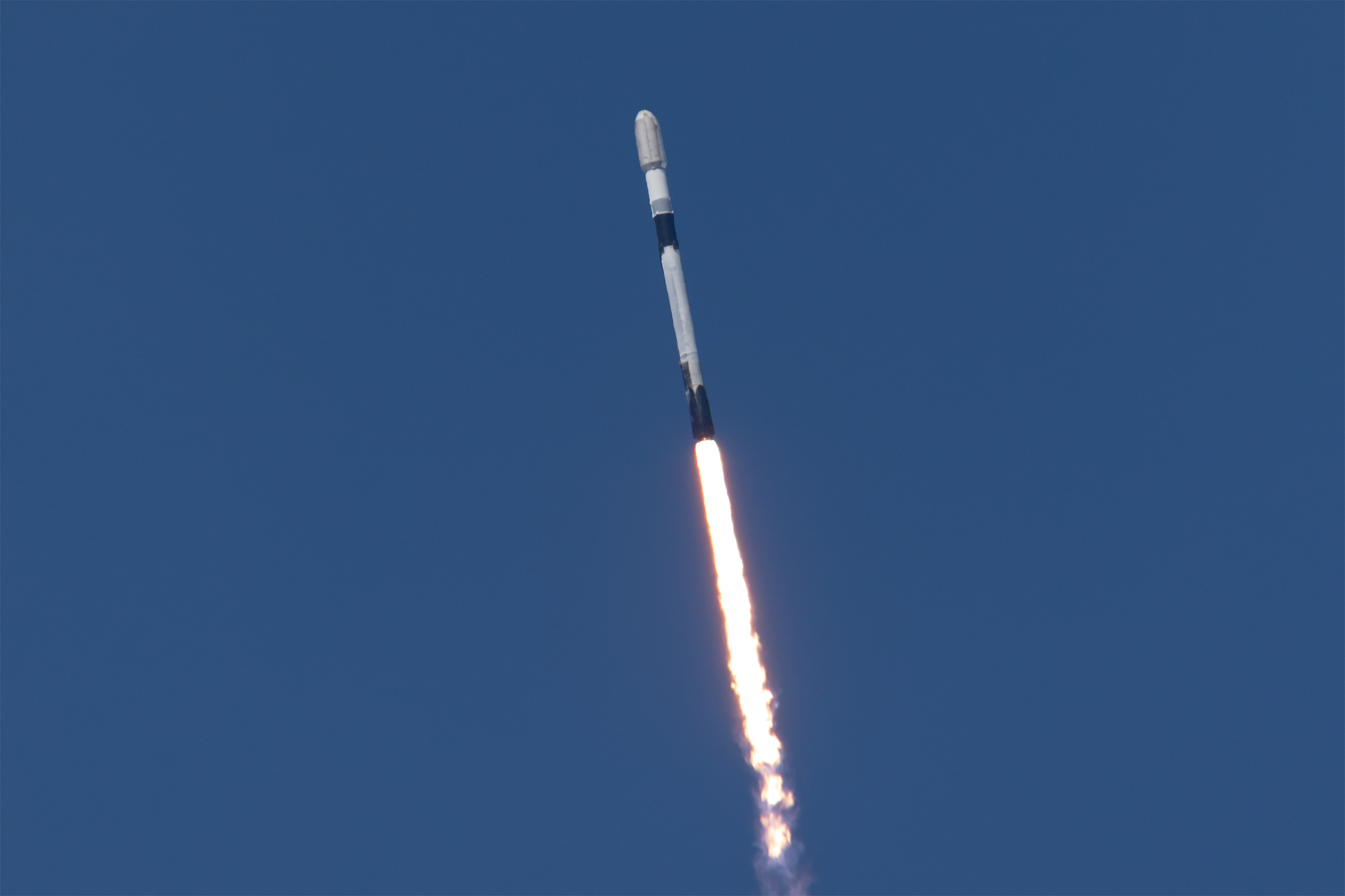
NASA SmallSats Launch to Advance Science, Technology, Orbital Operations
NASA has successfully launched a fleet of SmallSats designed to advance scientific research, technological development, and orbital operations.
The story
in brief.
What happened, who it affects, and why it landed on our intelligence desk — in plain English, sixty seconds or less.
NASA has successfully launched a fleet of SmallSats designed to advance scientific research, technological development, and orbital operations. These compact satellites aim to demonstrate new capabilities in space exploration and data collection while reducing costs and launch complexity. The mission highlights the growing role of smaller, more agile spacecraft in modern aerospace initiatives. This development underscores the shift towards efficient, scalable space solutions that support broader scientific objectives. Professionals in technology and engineering sectors should note this trend, as it signals increased demand for expertise in miniaturisation, autonomous systems, and rapid deployment strategies within the space industry.
Indicative index of skill mentions in professional job postings for the field this story moves (2019 = 1)
What this means
for your career.
Every headline redistributes opportunity. Here is who this one rewards — and how to be on the right side of it.
This launch signals a structural shift in aerospace, moving from monolithic missions to agile, cost-effective SmallSat constellations. For your career, technical skills in miniaturisation, autonomous systems, and rapid prototyping are rising sharply in value. Engineers and project managers must adapt to faster development cycles and modular design principles. If you work in adjacent sectors like telecommunications or data analytics, pay close attention to the surge in low-Earth orbit data streams. A smart professional would immediately upskill in satellite communications or embedded systems. Consider specialising in mission assurance for small payloads or learning how to integrate IoT data from orbital sources. Diversifying your expertise into these niche areas will future-proof your role against traditional aerospace consolidation.
For this story, the fields that convert it into pay are Engineering, Project Management, Data Science and Cyber Security — exactly the programmes matched below. The chart shows the indicative salary uplift certified professionals report in each of those fields; every one of them is a click away, from £79, finishing in as few as 20 days.
Indicative ranges from published continuing-education salary studies, by field — each field is a recommended course below
Enrol in these
to benefit.
These programmes position you for exactly this shift — online, self-paced, and finishing with a verifiable certificate you can share the day you pass.
 Best match
Certificate in Engineering
 Recommended
Certificate in Project Management
Recommended
Certificate in Data Science
 Recommended
Certificate in Cyber Security
Launch pricing shown against standard certificate value. The fee you see today is the fee you lock in.
This briefing is based on reporting by NASA (.gov) on 1 Oct, 21:57. Read the original coverage →
Read the news. Then outrun it.
Every LSBR programme is online, self-paced and from £79 — so a headline today can be your credential this month.
