
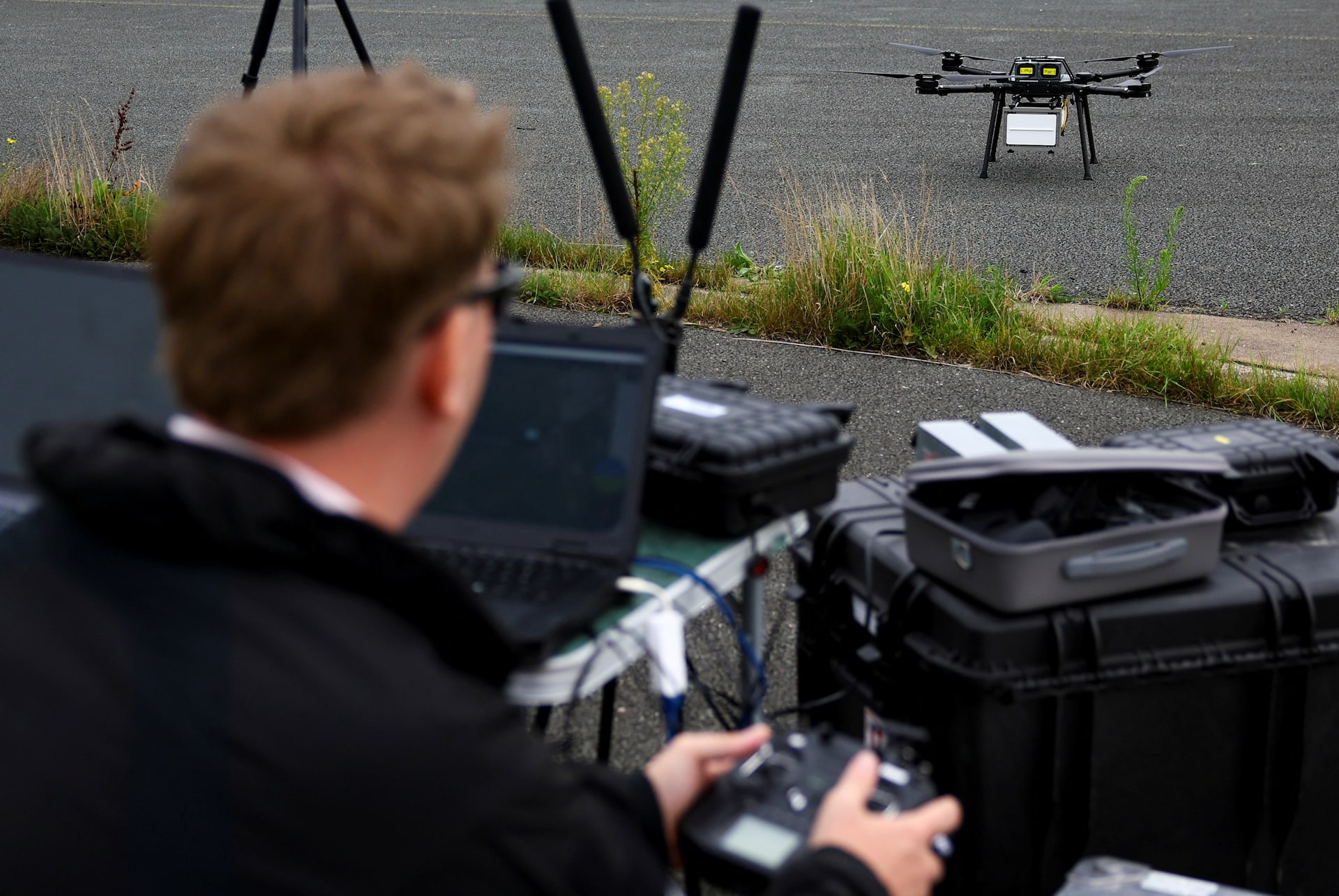
NATO fund targets drone defence technologies as Ukraine reshapes priorities
NATO has established a new fund specifically targeting drone defence technologies, reflecting a strategic shift in military priorities driven by the ongoing conflict in Ukraine.
The story
in brief.
What happened, who it affects, and why it landed on our intelligence desk — in plain English, sixty seconds or less.
NATO has established a new fund specifically targeting drone defence technologies, reflecting a strategic shift in military priorities driven by the ongoing conflict in Ukraine. This initiative aims to accelerate the development and deployment of counter-drone systems to address emerging aerial threats. The move signals a significant reallocation of defence resources towards asymmetric warfare capabilities. For professionals in the defence and security sectors, this represents a clear directive towards investing in advanced detection and neutralisation technologies, marking a pivotal change in how allied nations approach modern combat readiness and technological adaptation.
Indicative index of skill mentions in professional job postings for the field this story moves (2019 = 1)
What this means
for your career.
Every headline redistributes opportunity. Here is who this one rewards — and how to be on the right side of it.
You must recognise that drone defence is rapidly becoming a critical skill set. If you work in engineering or cyber security, your expertise in sensor fusion and electronic warfare is now highly sought after. Defence contractors and government agencies will prioritise candidates who understand autonomous systems and counter-UAS protocols. You should update your profile to highlight relevant technical certifications and experience with real-time data analysis. Smart professionals will network within defence innovation hubs and pursue training in AI-driven threat detection. This shift offers career stability and growth opportunities in a sector experiencing urgent demand for specialised talent capable of securing airspace against low-cost, high-impact aerial threats.
For this story, the fields that convert it into pay are Cyber Security, Engineering, AI in Cyber Security and Data analytics — exactly the programmes matched below. The chart shows the indicative salary uplift certified professionals report in each of those fields; every one of them is a click away, from £79, finishing in as few as 20 days.
Indicative ranges from published continuing-education salary studies, by field — each field is a recommended course below
Enrol in these
to benefit.
These programmes position you for exactly this shift — online, self-paced, and finishing with a verifiable certificate you can share the day you pass.
 Best match
Certificate in Cyber Security
 Recommended
Certificate in Engineering
 Recommended
Certificate in AI in Cyber Security
 Recommended
Certificate in Data analytics
Launch pricing shown against standard certificate value. The fee you see today is the fee you lock in.
This briefing is based on reporting by Reuters on 13 Oct, 06:01. Read the original coverage →
Read the news. Then outrun it.
Every LSBR programme is online, self-paced and from £79 — so a headline today can be your credential this month.
