
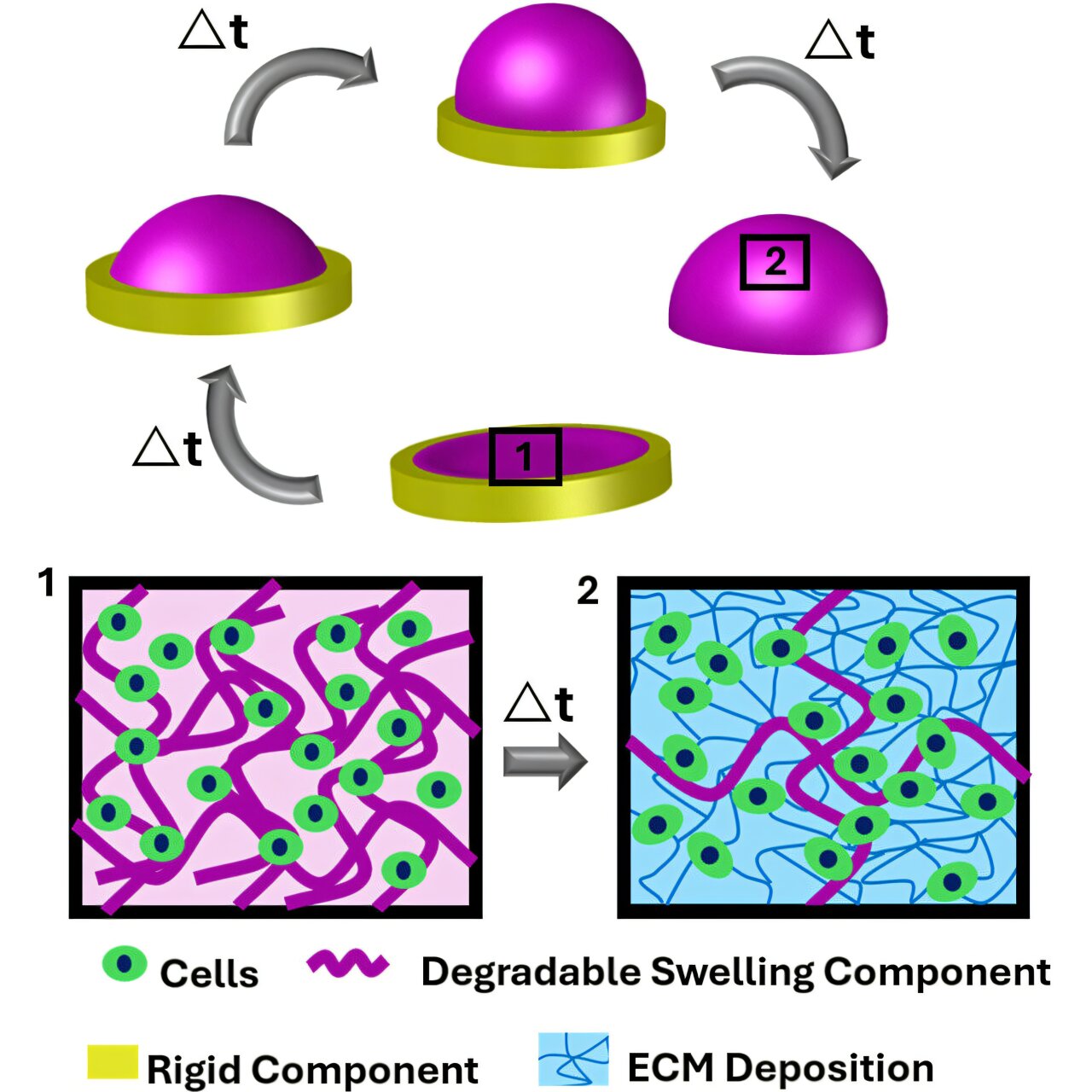
New 4D biofabrication technology holds promise for tissue engineering, wound healing
Recent research highlights the potential of 4D biofabrication technology in advancing tissue engineering and wound healing applications.
The story
in brief.
What happened, who it affects, and why it landed on our intelligence desk — in plain English, sixty seconds or less.
Recent research highlights the potential of 4D biofabrication technology in advancing tissue engineering and wound healing applications. This innovative approach involves creating three-dimensional biological structures that change shape or properties over time in response to specific environmental stimuli. The development suggests significant improvements in regenerative medicine, offering more precise and adaptive solutions for complex medical conditions. For professionals in the life sciences sector, this represents a shift towards dynamic, responsive therapeutic materials rather than static implants, potentially accelerating clinical adoption and improving patient outcomes in regenerative therapies.
Indicative index of skill mentions in professional job postings for the field this story moves (2019 = 1)
What this means
for your career.
Every headline redistributes opportunity. Here is who this one rewards — and how to be on the right side of it.
This development signals a growing demand for specialists who bridge biological sciences with advanced manufacturing techniques. You should consider upskilling in biomaterials science, additive manufacturing, or regulatory affairs for medical devices. Professionals in R&D, product development, and clinical strategy will find increased value in understanding 4D printing mechanics and their therapeutic implications. Smart professionals will monitor regulatory pathways for novel biofabricated products and seek cross-functional roles that integrate engineering precision with biological complexity. Prioritise learning about smart materials and tissue engineering principles to stay ahead in the evolving healthcare technology landscape.
For this story, the fields that convert it into pay are Healthcare Management, Engineering, Innovation and AI in Healthcare — exactly the programmes matched below. The chart shows the indicative salary uplift certified professionals report in each of those fields; every one of them is a click away, from £79, finishing in as few as 20 days.
Indicative ranges from published continuing-education salary studies, by field — each field is a recommended course below
Enrol in these
to benefit.
These programmes position you for exactly this shift — online, self-paced, and finishing with a verifiable certificate you can share the day you pass.
 Best match
Certificate in Healthcare Management
 Recommended
Certificate in Engineering
 Recommended
Certificate in Innovation
 Recommended
Certificate in AI in Healthcare
Launch pricing shown against standard certificate value. The fee you see today is the fee you lock in.
This briefing is based on reporting by Phys.org on 19 Oct, 23:40. Read the original coverage →
Read the news. Then outrun it.
Every LSBR programme is online, self-paced and from £79 — so a headline today can be your credential this month.
