
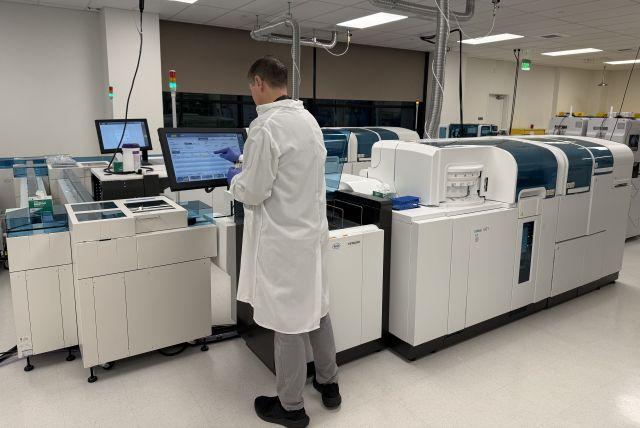
New clinical lab technology is US academic first
The University of Washington Medicine has reportedly achieved a significant milestone in clinical laboratory technology, marking a US academic first.
The story
in brief.
What happened, who it affects, and why it landed on our intelligence desk — in plain English, sixty seconds or less.
The University of Washington Medicine has reportedly achieved a significant milestone in clinical laboratory technology, marking a US academic first. This development signals a pivotal advancement in diagnostic capabilities or laboratory workflows within a higher education setting. For professionals, this indicates that academic institutions are increasingly driving innovation in medical testing infrastructure. The report highlights a shift towards more sophisticated, potentially automated or integrated laboratory systems. Understanding this trend is crucial for those operating at the intersection of healthcare delivery and technological implementation, as it suggests new standards may emerge from academic research into clinical practice.
Indicative index of skill mentions in professional job postings for the field this story moves (2019 = 1)
What this means
for your career.
Every headline redistributes opportunity. Here is who this one rewards — and how to be on the right side of it.
This development means you must stay alert to emerging laboratory technologies that bridge academic research and clinical application. Skills in managing complex healthcare IT systems and interpreting advanced diagnostic data will rise in value. If you work in healthcare administration or clinical operations, pay close attention to how these innovations streamline workflows and improve patient outcomes. A smart professional would immediately review current laboratory accreditation standards and explore training in next-generation diagnostic tools. You should network with academic medical centres to understand adoption timelines. Consider upskilling in data integration and regulatory compliance for new medical devices. Proactively adapting to these technological shifts will position you as a leader in modernising healthcare infrastructure, ensuring your organisation remains competitive and compliant with evolving clinical standards.
For this story, the fields that convert it into pay are Healthcare Management, AI in Healthcare, Data analytics and Business analysis — exactly the programmes matched below. The chart shows the indicative salary uplift certified professionals report in each of those fields; every one of them is a click away, from £79, finishing in as few as 20 days.
Indicative ranges from published continuing-education salary studies, by field — each field is a recommended course below
Enrol in these
to benefit.
These programmes position you for exactly this shift — online, self-paced, and finishing with a verifiable certificate you can share the day you pass.
 Best match
Certificate in Healthcare Management
 Recommended
Certificate in AI in Healthcare
 Recommended
Certificate in Data analytics
 Recommended
Certificate in Business analysis
Launch pricing shown against standard certificate value. The fee you see today is the fee you lock in.
This briefing is based on reporting by UW Medicine | Newsroom on 6 Nov, 03:37. Read the original coverage →
Read the news. Then outrun it.
Every LSBR programme is online, self-paced and from £79 — so a headline today can be your credential this month.
