
New display technology combines record brightness with pixels that stretch like rubber
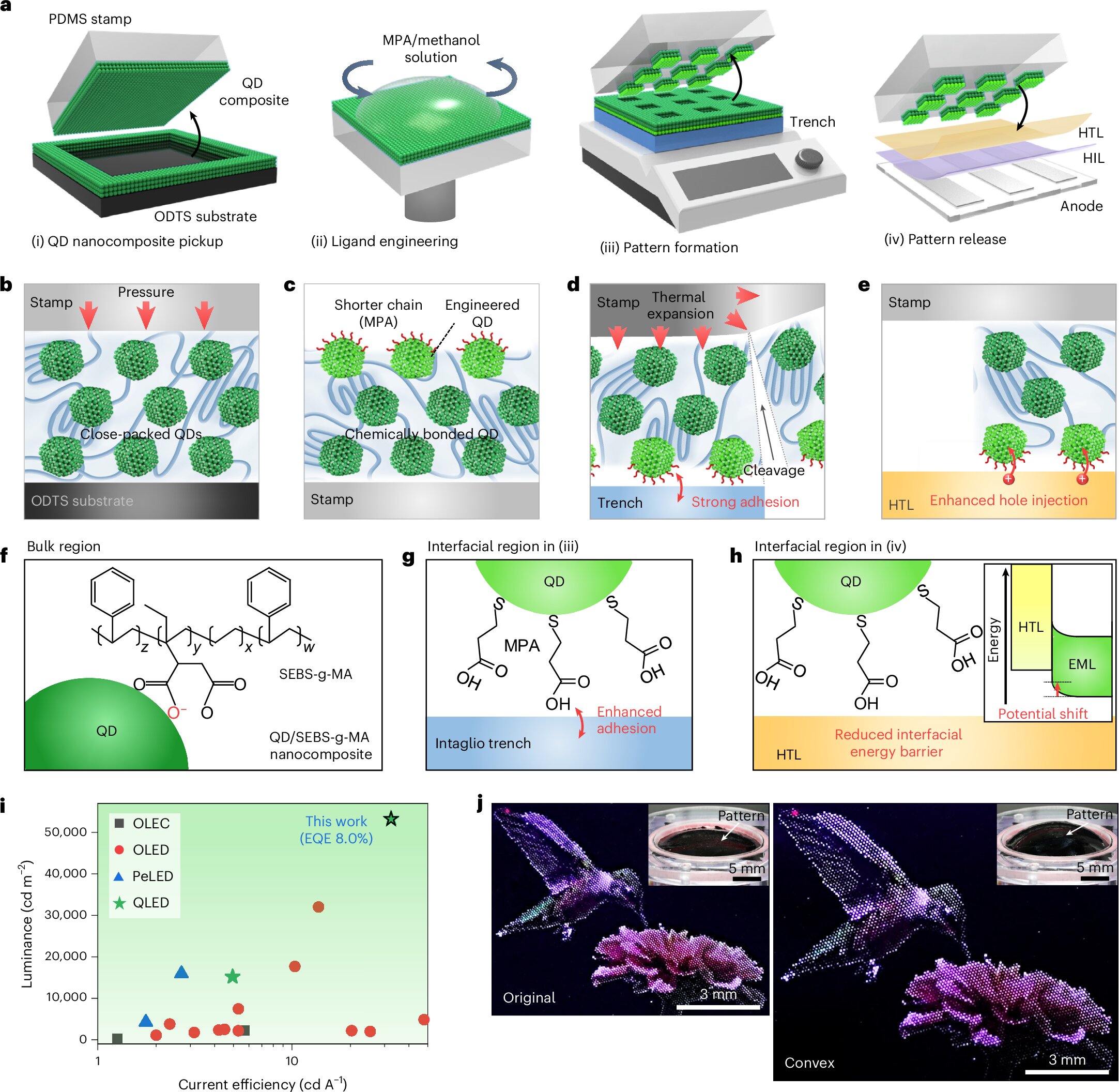
Recent research highlights a novel display technology achieving record-breaking brightness levels while incorporating flexible, rubber-like pixel structures.
The story
in brief.
What happened, who it affects, and why it landed on our intelligence desk — in plain English, sixty seconds or less.
Recent research highlights a novel display technology achieving record-breaking brightness levels while incorporating flexible, rubber-like pixel structures. This innovation addresses longstanding limitations in screen durability and visual clarity under intense lighting conditions. The development suggests significant potential for next-generation consumer electronics, wearable devices, and automotive interfaces. By merging high luminance with mechanical flexibility, the technology promises to reshape hardware design constraints. Professionals in engineering, product development, and materials science should note this advancement as it signals a shift towards more resilient and versatile display solutions for future market applications.
Indicative index of skill mentions in professional job postings for the field this story moves (2019 = 1)
What this means
for your career.
Every headline redistributes opportunity. Here is who this one rewards — and how to be on the right side of it.
This breakthrough signals a shift in hardware requirements for user interfaces. You must prioritise skills in materials science and flexible electronics to remain competitive. Engineers and product managers should monitor supply chain implications for new component sourcing. If you work in consumer electronics or automotive design, integrate this technology into your strategic roadmaps now. Upskill in advanced prototyping and durability testing to handle these novel materials. Do not ignore the intersection of physics and design; the most valuable professionals will bridge these disciplines. Start by reviewing current R&D pipelines and identifying partners specialising in flexible substrates. Your next move is to validate how this technology aligns with your organisation’s long-term product vision, ensuring you are not left behind by hardware innovation.
For this story, the fields that convert it into pay are Engineering, Innovation, Project Management and Supply Chain — exactly the programmes matched below. The chart shows the indicative salary uplift certified professionals report in each of those fields; every one of them is a click away, from £79, finishing in as few as 20 days.
Indicative ranges from published continuing-education salary studies, by field — each field is a recommended course below
Enrol in these
to benefit.
These programmes position you for exactly this shift — online, self-paced, and finishing with a verifiable certificate you can share the day you pass.
 Best match
Certificate in Engineering
 Recommended
Certificate in Innovation
 Recommended
Certificate in Project Management
 Recommended
Certificate in Supply Chain
Launch pricing shown against standard certificate value. The fee you see today is the fee you lock in.
This briefing is based on reporting by Phys.org on 7 Oct, 20:30. Read the original coverage →
Read the news. Then outrun it.
Every LSBR programme is online, self-paced and from £79 — so a headline today can be your credential this month.
