
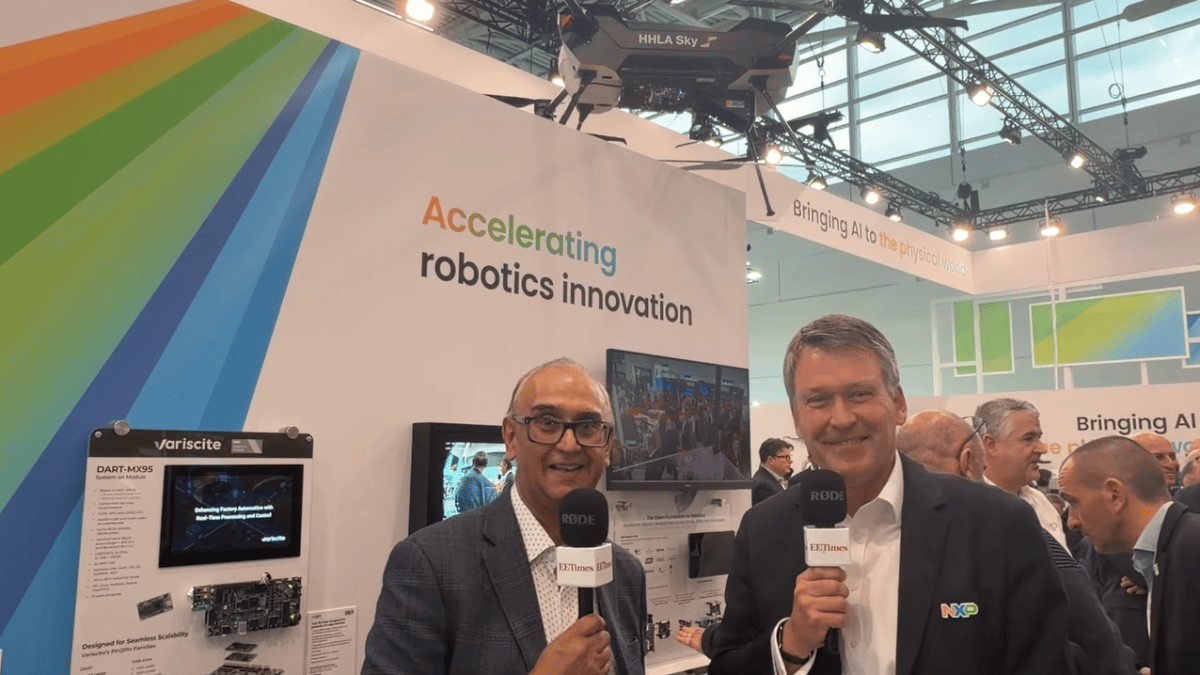
NXP CTO Lars Reger on Physical AI, Robots, Drones, and Trust
NXP Semiconductors’ Chief Technology Officer, Lars Reger, discusses the emerging field of Physical AI, focusing on its application in robotics, drones, and autonomous systems.
The story
in brief.
What happened, who it affects, and why it landed on our intelligence desk — in plain English, sixty seconds or less.
NXP Semiconductors’ Chief Technology Officer, Lars Reger, discusses the emerging field of Physical AI, focusing on its application in robotics, drones, and autonomous systems. Speaking to EE Times, Reger highlights the critical importance of building trust in these technologies. The interview explores how semiconductor innovation underpins the reliability and safety of AI-driven physical devices, addressing the technical and ethical challenges required for widespread industrial and consumer adoption of autonomous hardware.
Indicative index of skill mentions in professional job postings for the field this story moves (2019 = 1)
What this means
for your career.
Every headline redistributes opportunity. Here is who this one rewards — and how to be on the right side of it.
This shift signals that AI expertise is no longer confined to software; it now demands hardware integration skills. Professionals in engineering and product management must understand the intersection of semiconductors and autonomous systems. You should prioritise learning about embedded systems and hardware-software co-design, as these skills will become premium assets. Pay close attention to trust and safety frameworks, as regulatory scrutiny intensifies. A smart professional would immediately upskill in Physical AI concepts, examining how sensors and processors enable real-time decision-making. Start reviewing NXP’s technical documentation and industry standards for autonomous vehicles. This is your cue to pivot from pure data science towards tangible, physical AI applications where reliability is paramount.
For this story, the fields that convert it into pay are AI in Engineering, Cyber Security, AI in Automotive and Engineering — exactly the programmes matched below. The chart shows the indicative salary uplift certified professionals report in each of those fields; every one of them is a click away, from £79, finishing in as few as 20 days.
Indicative ranges from published continuing-education salary studies, by field — each field is a recommended course below
Enrol in these
to benefit.
These programmes position you for exactly this shift — online, self-paced, and finishing with a verifiable certificate you can share the day you pass.
 Best match
Certificate in AI in Engineering
 Recommended
Certificate in Cyber Security
 Recommended
Certificate in AI in Automotive
 Recommended
Certificate in Engineering
Launch pricing shown against standard certificate value. The fee you see today is the fee you lock in.
This briefing is based on reporting by EE Times on 11 Nov, 20:24. Read the original coverage →
Read the news. Then outrun it.
Every LSBR programme is online, self-paced and from £79 — so a headline today can be your credential this month.
