
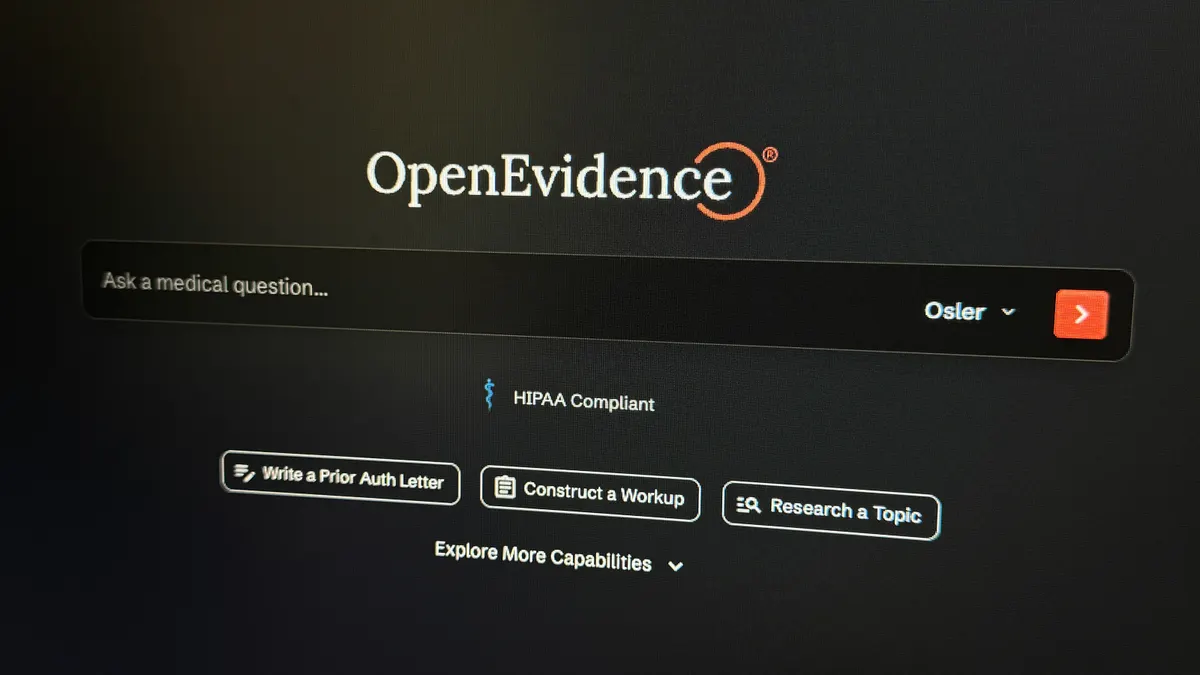
OpenEvidence, Doximity settle thorny AI legal battle
OpenEvidence and Doximity have reached a settlement in their high-profile legal dispute concerning artificial intelligence technologies.
The story
in brief.
What happened, who it affects, and why it landed on our intelligence desk — in plain English, sixty seconds or less.
OpenEvidence and Doximity have reached a settlement in their high-profile legal dispute concerning artificial intelligence technologies. This resolution concludes a significant case involving intellectual property and data usage rights within the healthcare technology sector. For professionals, this outcome clarifies the evolving legal landscape surrounding AI deployment in medical contexts. It signals a move towards structured compliance rather than adversarial litigation. The settlement provides a precedent for how healthcare platforms and AI developers can negotiate rights and responsibilities. Stakeholders should note the implications for future partnerships and regulatory adherence in digital health innovation.
Indicative index of skill mentions in professional job postings for the field this story moves (2019 = 1)
What this means
for your career.
Every headline redistributes opportunity. Here is who this one rewards — and how to be on the right side of it.
This settlement signals that AI integration in healthcare now demands rigorous legal and ethical oversight. You must prioritise skills in AI governance and regulatory compliance to remain relevant. Professionals in health tech, law, and product management should closely monitor how data rights are defined in future contracts. A smart move is to upskill in the intersection of technology and policy. Focus on understanding intellectual property frameworks specific to machine learning models. Develop the ability to assess AI risks within clinical workflows. This case highlights that technical expertise alone is insufficient; you need the capacity to navigate complex liability issues. Strengthening your knowledge of data privacy and AI ethics will make you indispensable to organisations seeking safe, compliant innovation in the digital health space.
For this story, the fields that convert it into pay are Dynamic Corporate Governance, Secure Content Delivery: Best Practices, Industry Impact and Premium Market Research and Analysis Techniques — exactly the programmes matched below. The chart shows the indicative salary uplift certified professionals report in each of those fields; every one of them is a click away, from £79, finishing in as few as 20 days.
Indicative ranges from published continuing-education salary studies, by field — each field is a recommended course below
Enrol in these
to benefit.
These programmes position you for exactly this shift — online, self-paced, and finishing with a verifiable certificate you can share the day you pass.
 Best match
Certificate in Dynamic Corporate Governance
Recommended
Certificate in Secure Content Delivery: Best Practices
 Recommended
Certificate in Industry Impact
 Recommended
Certificate in Premium Market Research and Analysis Techniques
Launch pricing shown against standard certificate value. The fee you see today is the fee you lock in.
This briefing is based on reporting by Healthcare Dive on 20 Oct, 16:34. Read the original coverage →
Read the news. Then outrun it.
Every LSBR programme is online, self-paced and from £79 — so a headline today can be your credential this month.
