
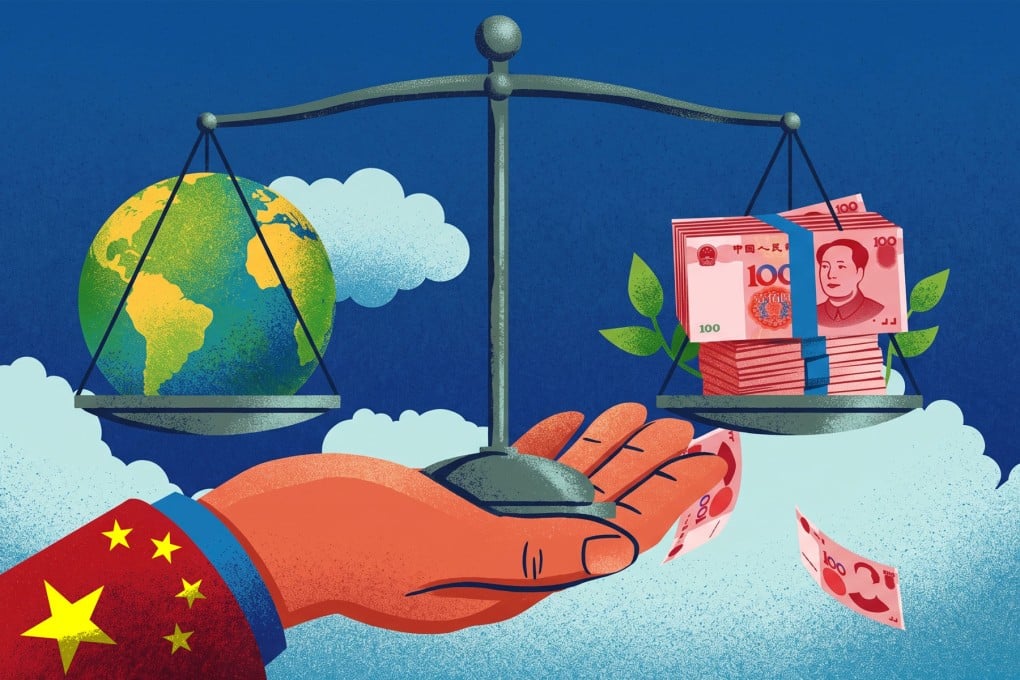
Opinion | How China made climate resilience part of its economic growth strategy
Recent analysis highlights how China is integrating climate resilience directly into its national economic growth framework.
The story
in brief.
What happened, who it affects, and why it landed on our intelligence desk — in plain English, sixty seconds or less.
Recent analysis highlights how China is integrating climate resilience directly into its national economic growth framework. Rather than treating environmental sustainability as a separate regulatory burden, the strategy embeds it within core industrial and financial planning. This approach aims to drive long-term stability by aligning green technology adoption with broader economic objectives. The report details policy mechanisms that incentivise sustainable practices across key sectors, signalling a systemic shift in how environmental factors influence macroeconomic performance. For professionals, this indicates that climate considerations are now central to strategic decision-making, affecting investment flows, supply chain configurations, and regulatory compliance standards across global markets.
Indicative index of skill mentions in professional job postings for the field this story moves (2019 = 1)
What this means
for your career.
Every headline redistributes opportunity. Here is who this one rewards — and how to be on the right side of it.
You must recognise that climate resilience is no longer a niche concern but a core business competency. Professionals in engineering, finance, and supply chain management should prioritise skills in sustainable operations and environmental risk assessment. If you work in policy or corporate strategy, understanding how green regulations impact market entry is essential. You should immediately update your skill set to include carbon accounting and sustainable procurement. Look for certifications in ESG reporting or green project management. Smart professionals will proactively align their career trajectories with industries benefiting from this shift, such as renewable energy infrastructure or sustainable logistics. Ignoring this trend risks professional obsolescence as companies increasingly mandate climate-literate leadership.
For this story, the fields that convert it into pay are Risk Management, Supply Chain, Engineering and Finance — exactly the programmes matched below. The chart shows the indicative salary uplift certified professionals report in each of those fields; every one of them is a click away, from £79, finishing in as few as 20 days.
Indicative ranges from published continuing-education salary studies, by field — each field is a recommended course below
Enrol in these
to benefit.
These programmes position you for exactly this shift — online, self-paced, and finishing with a verifiable certificate you can share the day you pass.
 Best match
Certificate in Risk Management
 Recommended
Certificate in Supply Chain
 Recommended
Certificate in Engineering
Recommended
Certificate in Finance
Launch pricing shown against standard certificate value. The fee you see today is the fee you lock in.
This briefing is based on reporting by South China Morning Post on 18 Oct, 21:30. Read the original coverage →
Read the news. Then outrun it.
Every LSBR programme is online, self-paced and from £79 — so a headline today can be your credential this month.
