
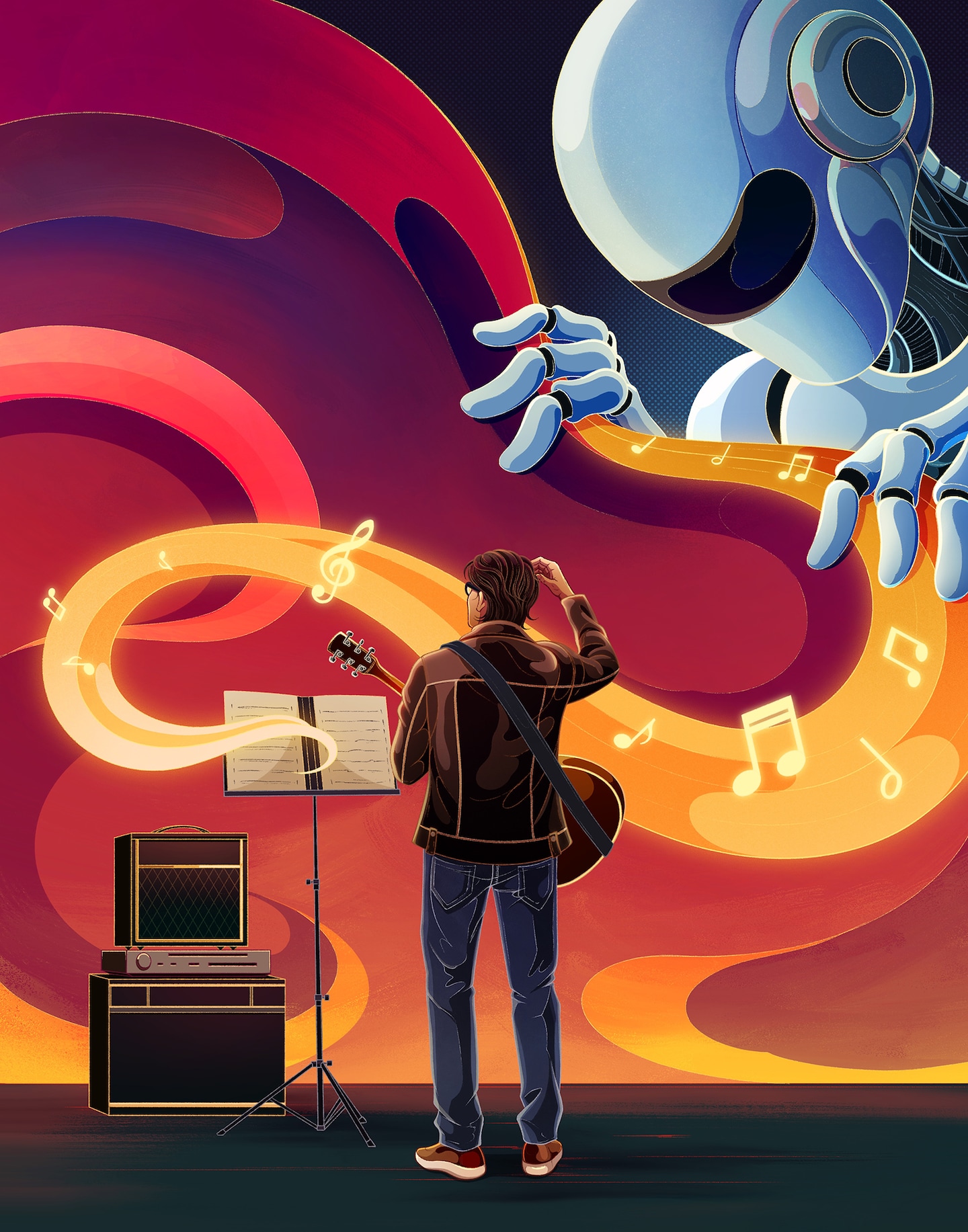
Opinion | The future could disfigure your musical ear — without you even knowing
This opinion piece explores how emerging technologies and changing acoustic environments may subtly degrade human auditory perception over time.
The story
in brief.
What happened, who it affects, and why it landed on our intelligence desk — in plain English, sixty seconds or less.
This opinion piece explores how emerging technologies and changing acoustic environments may subtly degrade human auditory perception over time. The author argues that professionals might experience a decline in their ability to discern complex sounds without realising it. This shift could affect sectors relying on precise audio analysis, from music production to medical diagnostics. The article suggests that as digital interfaces mediate more of our sensory experiences, our biological hearing capabilities may atrophy. It highlights a potential gap between technological enhancement and biological reality, urging readers to consider the long-term implications for industries where auditory acuity is a critical professional asset.
Indicative index of skill mentions in professional job postings for the field this story moves (2019 = 1)
What this means
for your career.
Every headline redistributes opportunity. Here is who this one rewards — and how to be on the right side of it.
You must assess whether your role depends on acute auditory discrimination. If you work in audio engineering, music therapy, or diagnostic imaging, your biological skills face obsolescence risks. Conversely, expertise in AI-driven audio analysis becomes invaluable. You should pivot towards mastering tools that augment, rather than replace, human perception. Prioritise upskilling in data analytics and artificial intelligence to interpret complex sound data objectively. Professionals in creative industries must integrate technical proficiency with traditional artistry. Smart leaders will invest in hybrid workflows, combining human intuition with machine precision. You need to stay informed about technological shifts affecting sensory processing. By focusing on AI strategy and data science, you future-proof your career against biological limitations. Embrace technology that enhances your capabilities rather than competing with them.
For this story, the fields that convert it into pay are Artificial Intelligence, Data Science, AI Strategy and Business analysis — exactly the programmes matched below. The chart shows the indicative salary uplift certified professionals report in each of those fields; every one of them is a click away, from £79, finishing in as few as 20 days.
Indicative ranges from published continuing-education salary studies, by field — each field is a recommended course below
Enrol in these
to benefit.
These programmes position you for exactly this shift — online, self-paced, and finishing with a verifiable certificate you can share the day you pass.
 Best match
Certificate in Artificial Intelligence
 Recommended
Certificate in Data Science
 Recommended
Certificate in AI Strategy
 Recommended
Certificate in Business analysis
Launch pricing shown against standard certificate value. The fee you see today is the fee you lock in.
This briefing is based on reporting by The Washington Post on 27 Oct, 18:00. Read the original coverage →
Read the news. Then outrun it.
Every LSBR programme is online, self-paced and from £79 — so a headline today can be your credential this month.
