
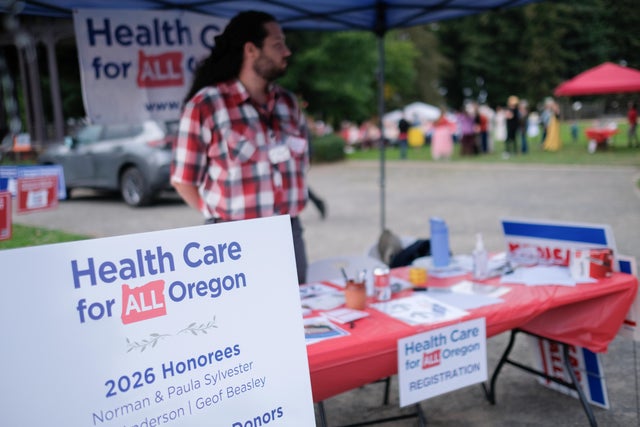
Oregon eyes nation's first universal healthcare system. Will it work?
Oregon is considering legislation to establish the United States’ first universal healthcare system, marking a significant potential shift in national public policy.
The story
in brief.
What happened, who it affects, and why it landed on our intelligence desk — in plain English, sixty seconds or less.
Oregon is considering legislation to establish the United States’ first universal healthcare system, marking a significant potential shift in national public policy. If enacted, this initiative would replace the current fragmented insurance model with a single-payer framework, funded primarily through taxation. The proposal aims to guarantee comprehensive medical coverage for all residents, regardless of employment status or pre-existing conditions. Critics question the financial sustainability and administrative feasibility of such a radical overhaul. This development invites scrutiny of how state-level experiments might influence federal healthcare debates and reshape the broader landscape of American social welfare provision.
Indicative index of skill mentions in professional job postings for the field this story moves (2019 = 1)
What this means
for your career.
Every headline redistributes opportunity. Here is who this one rewards — and how to be on the right side of it.
This legislative shift signals a major transformation in how healthcare is funded and delivered. If Oregon succeeds, you must anticipate similar reforms elsewhere, altering demand for administrative and clinical roles. Skills in policy analysis, regulatory compliance, and health economics will surge in value. Professionals in insurance, HR, and finance should closely monitor these changes, as traditional benefits structures may become obsolete. A smart professional would immediately upskill in healthcare policy and data analytics to navigate the new regulatory environment. Consider specialising in value-based care models or public sector administration. By understanding the mechanics of single-payer systems, you position yourself as an indispensable advisor to organisations adapting to this inevitable structural change.
For this story, the fields that convert it into pay are Healthcare Management, Public Administration, Policy Analysis and Health Economics — exactly the programmes matched below. The chart shows the indicative salary uplift certified professionals report in each of those fields; every one of them is a click away, from £79, finishing in as few as 20 days.
Indicative ranges from published continuing-education salary studies, by field — each field is a recommended course below
Enrol in these
to benefit.
These programmes position you for exactly this shift — online, self-paced, and finishing with a verifiable certificate you can share the day you pass.
 Best match
Certificate in Healthcare Management
 Recommended
Certificate in Public Administration
 Recommended
Certificate in Policy Analysis
 Recommended
Certificate in Health Economics
Launch pricing shown against standard certificate value. The fee you see today is the fee you lock in.
This briefing is based on reporting by CBS News on 30 Sep, 09:00. Read the original coverage →
Read the news. Then outrun it.
Every LSBR programme is online, self-paced and from £79 — so a headline today can be your credential this month.
