
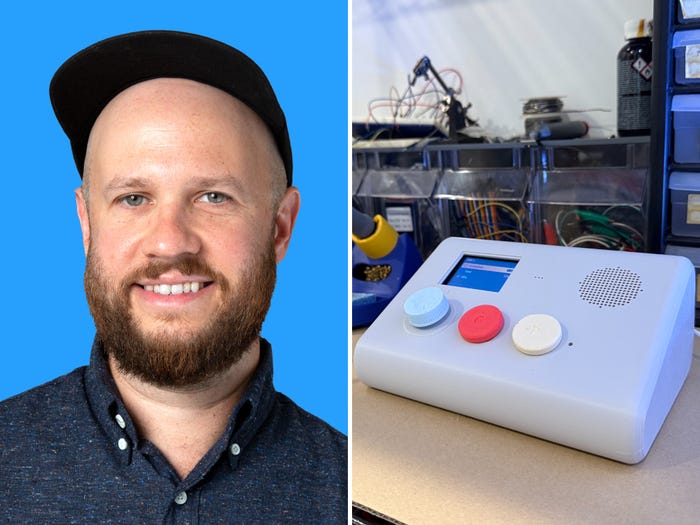
People are 'vibe manufacturing' their ideas into reality, creating toys, answering machines, and jewelry
Recent reports highlight a growing trend of individuals utilising accessible digital fabrication tools to transform conceptual ideas into tangible physical products.
The story
in brief.
What happened, who it affects, and why it landed on our intelligence desk — in plain English, sixty seconds or less.
Recent reports highlight a growing trend of individuals utilising accessible digital fabrication tools to transform conceptual ideas into tangible physical products. From custom toys and functional jewellery to novelty items like answering machines, hobbyists are effectively manufacturing goods without traditional industrial infrastructure. This shift underscores the democratisation of production capabilities, allowing non-specialists to bypass conventional supply chains. The phenomenon reflects a broader move towards maker culture, where digital design skills intersect with personal manufacturing, enabling rapid prototyping and small-batch creation directly by consumers rather than large-scale enterprises.
Indicative index of skill mentions in professional job postings for the field this story moves (2019 = 1)
What this means
for your career.
Every headline redistributes opportunity. Here is who this one rewards — and how to be on the right side of it.
You must adapt to a landscape where production barriers are collapsing. Technical skills in digital design and additive manufacturing now complement traditional business acumen. Professionals in product development, engineering, and marketing should monitor this shift closely, as it disrupts conventional sourcing and inventory models. You should explore how these tools can accelerate your own prototyping processes or enable personalised customer offerings. Smart professionals will integrate these capabilities into their workflow, reducing time-to-market for new concepts. Consider upskilling in CAD software or 3D printing technologies to stay competitive. This trend signals that agility and hands-on technical literacy are becoming essential assets for career advancement in manufacturing and design sectors.
For this story, the fields that convert it into pay are Innovation, AI in Manufacturing, Engineering and Product Design — exactly the programmes matched below. The chart shows the indicative salary uplift certified professionals report in each of those fields; every one of them is a click away, from £79, finishing in as few as 20 days.
Indicative ranges from published continuing-education salary studies, by field — each field is a recommended course below
Enrol in these
to benefit.
These programmes position you for exactly this shift — online, self-paced, and finishing with a verifiable certificate you can share the day you pass.
 Best match
Certificate in Innovation
 Recommended
Certificate in AI in Manufacturing
 Recommended
Certificate in Engineering
Recommended
Certificate in Product Design
Launch pricing shown against standard certificate value. The fee you see today is the fee you lock in.
This briefing is based on reporting by Business Insider on 1 Nov, 10:14. Read the original coverage →
Read the news. Then outrun it.
Every LSBR programme is online, self-paced and from £79 — so a headline today can be your credential this month.
