
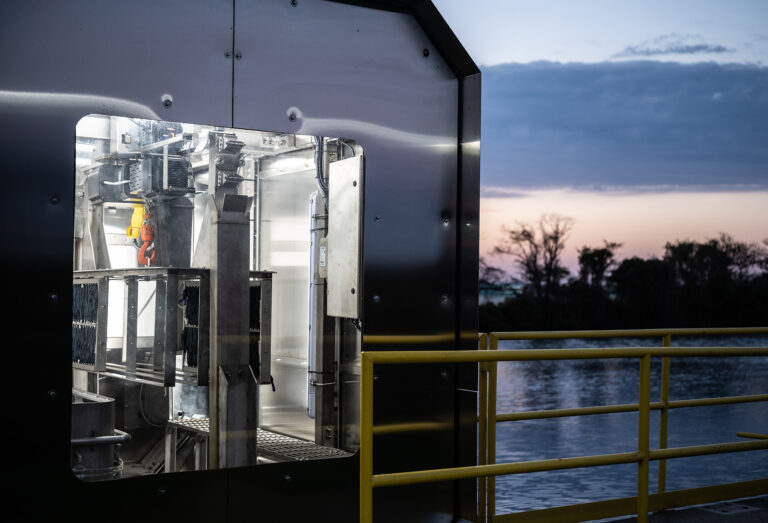
Princeton University alumni use new technology to treat microplastics at Atlantic City wastewater plant
Princeton University alumni have deployed novel technology at an Atlantic City wastewater treatment facility to address microplastic contamination.
The story
in brief.
What happened, who it affects, and why it landed on our intelligence desk — in plain English, sixty seconds or less.
Princeton University alumni have deployed novel technology at an Atlantic City wastewater treatment facility to address microplastic contamination. This initiative demonstrates a practical application of advanced engineering solutions to emerging environmental challenges within municipal infrastructure. The project highlights the intersection of academic research and industrial implementation, offering a case study in sustainable water management. For professionals in environmental sectors, this signals a growing demand for innovative remediation techniques capable of handling complex pollutants beyond traditional treatment parameters.
Indicative index of skill mentions in professional job postings for the field this story moves (2019 = 1)
What this means
for your career.
Every headline redistributes opportunity. Here is who this one rewards — and how to be on the right side of it.
This development signals that expertise in environmental engineering and sustainable technology implementation is rapidly gaining strategic importance. You should recognise that regulatory pressure and public concern over microplastics will drive investment in advanced water treatment solutions. Professionals in civil engineering, environmental science, and municipal management must now prioritise skills in emerging filtration technologies and data-driven process optimisation. To stay competitive, you should actively seek training in green infrastructure and advanced material science. Engaging with cross-functional teams that bridge academic research and industrial application will also enhance your strategic value. Prioritise upskilling in regulatory compliance and sustainable engineering practices to lead these critical initiatives.
For this story, the fields that convert it into pay are Engineering, Environmental Management, Project Management and Risk Management — exactly the programmes matched below. The chart shows the indicative salary uplift certified professionals report in each of those fields; every one of them is a click away, from £79, finishing in as few as 20 days.
Indicative ranges from published continuing-education salary studies, by field — each field is a recommended course below
Enrol in these
to benefit.
These programmes position you for exactly this shift — online, self-paced, and finishing with a verifiable certificate you can share the day you pass.
 Best match
Certificate in Engineering
 Recommended
Certificate in Environmental Management
 Recommended
Certificate in Project Management
Recommended
Certificate in Risk Management
Launch pricing shown against standard certificate value. The fee you see today is the fee you lock in.
This briefing is based on reporting by WHYY on 25 Oct, 09:32. Read the original coverage →
Read the news. Then outrun it.
Every LSBR programme is online, self-paced and from £79 — so a headline today can be your credential this month.
