
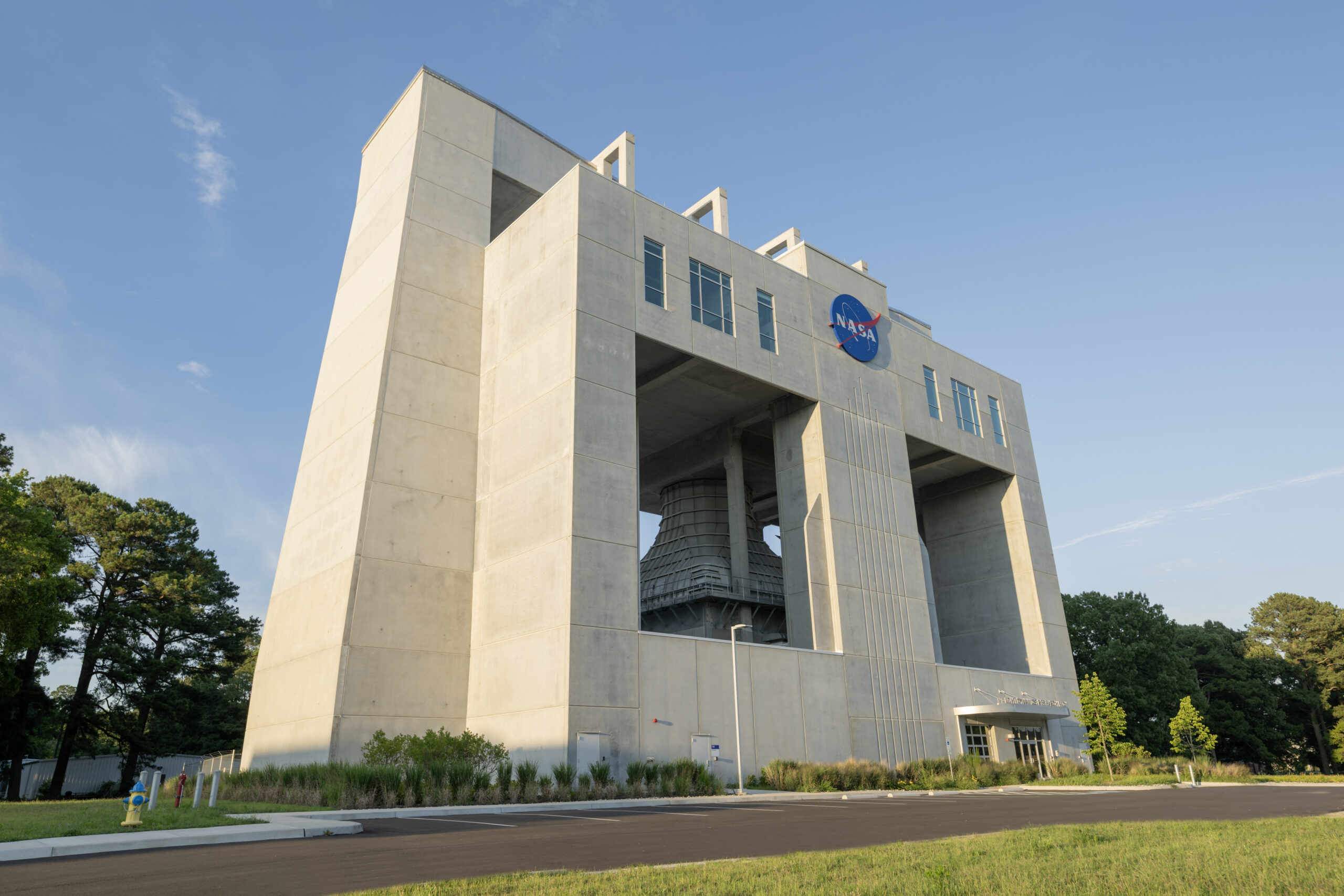
Rebuilding America’s Aerospace Research and Test Infrastructure: A Vision for the Future
This report outlines a strategic vision for revitalising the United States’ aerospace research and test infrastructure within the aerospace sector.
The story
in brief.
What happened, who it affects, and why it landed on our intelligence desk — in plain English, sixty seconds or less.
This report outlines a strategic vision for revitalising the United States’ aerospace research and test infrastructure within the aerospace sector. It emphasises the necessity of modernising facilities to support advanced technologies and maintain global competitiveness. The analysis highlights critical gaps in current testing capabilities and proposes targeted investments in facilities, workforce development, and public-private partnerships. For professionals, this signals a shift towards high-fidelity simulation and experimental validation. The piece serves as a factual overview of policy directions aimed at securing long-term innovation in aviation and space exploration, without speculative hype.
Indicative index of skill mentions in professional job postings for the field this story moves (2019 = 1)
What this means
for your career.
Every headline redistributes opportunity. Here is who this one rewards — and how to be on the right side of it.
You should view this infrastructure push as a catalyst for demand in advanced engineering and systems integration. Roles requiring expertise in experimental design, data acquisition, and complex system validation will see increased value. If you work in aerospace, defence, or adjacent high-tech sectors, prioritise upskilling in digital twins and simulation technologies. A smart professional would immediately audit their current project management credentials, ensuring they align with large-scale infrastructure delivery. Consider specialising in the intersection of hardware testing and data analytics. This is not merely a government initiative; it creates ripple effects across supply chains, making compliance and technical verification skills highly transferable. Focus on mastering the tools that bridge physical testing with digital modelling.
For this story, the fields that convert it into pay are Engineering, Project Management, Data analytics and AI in Engineering — exactly the programmes matched below. The chart shows the indicative salary uplift certified professionals report in each of those fields; every one of them is a click away, from £79, finishing in as few as 20 days.
Indicative ranges from published continuing-education salary studies, by field — each field is a recommended course below
Enrol in these
to benefit.
These programmes position you for exactly this shift — online, self-paced, and finishing with a verifiable certificate you can share the day you pass.
 Best match
Certificate in Engineering
 Recommended
Certificate in Project Management
Recommended
Certificate in Data analytics
 Recommended
Certificate in AI in Engineering
Launch pricing shown against standard certificate value. The fee you see today is the fee you lock in.
This briefing is based on reporting by Aerospace America on 5 Nov, 18:30. Read the original coverage →
Read the news. Then outrun it.
Every LSBR programme is online, self-paced and from £79 — so a headline today can be your credential this month.
