
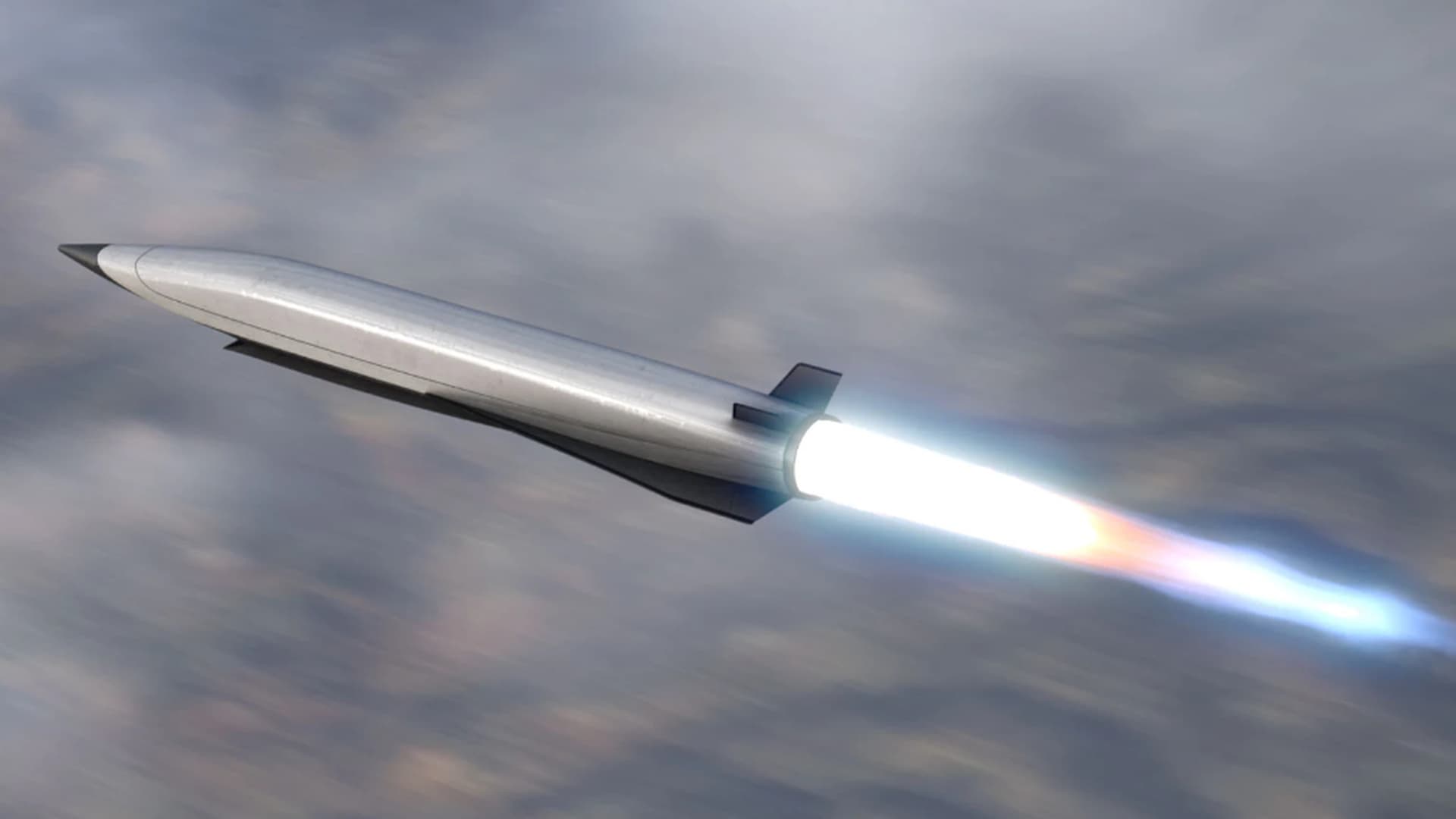
Rocket or scramjet? The technology behind hypersonic missile propulsion
Recent reports analyse the engineering distinctions between rocket and scramjet propulsion systems for hypersonic missiles.
The story
in brief.
What happened, who it affects, and why it landed on our intelligence desk — in plain English, sixty seconds or less.
Recent reports analyse the engineering distinctions between rocket and scramjet propulsion systems for hypersonic missiles. The article details how scramjets utilise atmospheric oxygen for combustion, offering greater range than traditional rockets that carry their own oxidisers. This technical comparison highlights the complexities of thermal management and aerodynamic stability at speeds exceeding Mach five. For professionals, the story underscores the rigorous material science and fluid dynamics required to sustain such extreme operational conditions. It serves as a factual overview of the competing technologies shaping next-generation defence capabilities, illustrating the significant engineering challenges involved in achieving reliable hypersonic flight without excessive fuel mass penalties.
Indicative index of skill mentions in professional job postings for the field this story moves (2019 = 1)
What this means
for your career.
Every headline redistributes opportunity. Here is who this one rewards — and how to be on the right side of it.
You should recognise that hypersonic propulsion demands advanced expertise in aerospace engineering and thermodynamics. Professionals specialising in propulsion systems, materials science, and computational fluid dynamics will see rising demand. If you work in defence contracting or advanced manufacturing, this is a critical area to monitor. You must deepen your technical knowledge of high-temperature materials and aerodynamic design to remain competitive. Consider upskilling in simulation tools and thermal analysis. Smart professionals will align their career paths with defence innovation, ensuring they possess the niche engineering skills required for these high-stakes projects. Ignoring this trend may limit your relevance in the evolving defence technology sector.
For this story, the fields that convert it into pay are Engineering, AI in Engineering, Project Management and Risk Management — exactly the programmes matched below. The chart shows the indicative salary uplift certified professionals report in each of those fields; every one of them is a click away, from £79, finishing in as few as 20 days.
Indicative ranges from published continuing-education salary studies, by field — each field is a recommended course below
Enrol in these
to benefit.
These programmes position you for exactly this shift — online, self-paced, and finishing with a verifiable certificate you can share the day you pass.
 Best match
Certificate in Engineering
 Recommended
Certificate in AI in Engineering
 Recommended
Certificate in Project Management
Recommended
Certificate in Risk Management
Launch pricing shown against standard certificate value. The fee you see today is the fee you lock in.
This briefing is based on reporting by Interesting Engineering on 18 Oct, 11:32. Read the original coverage →
Read the news. Then outrun it.
Every LSBR programme is online, self-paced and from £79 — so a headline today can be your credential this month.
