
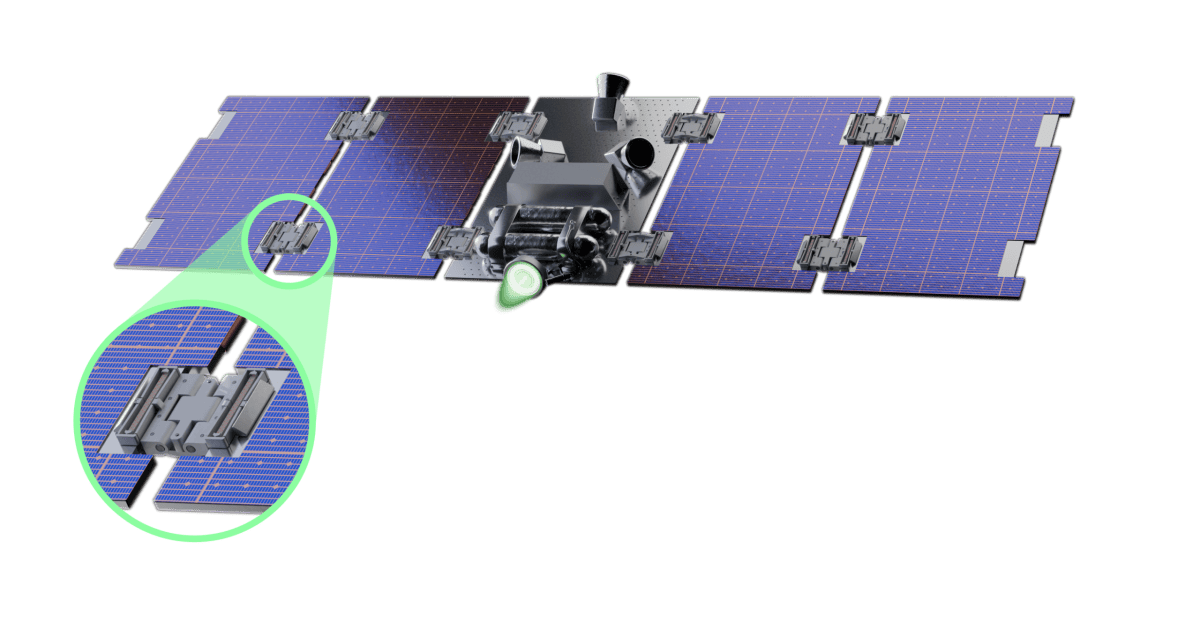
Samara claims NASA contract to demonstrate attitude-control technology
Samara has secured a significant contract with NASA to demonstrate advanced attitude-control technology for spacecraft.
The story
in brief.
What happened, who it affects, and why it landed on our intelligence desk — in plain English, sixty seconds or less.
Samara has secured a significant contract with NASA to demonstrate advanced attitude-control technology for spacecraft. This agreement highlights the critical role of private sector innovation in supporting major space agency missions. The project focuses on validating new systems that manage vehicle orientation and stability in orbit. For industry observers, this deal underscores the growing integration of commercial aerospace solutions into government programmes. It signals a shift towards collaborative partnerships where specialized tech firms provide essential capabilities for complex space operations. Professionals in aerospace engineering and defence contracting should note this development as a marker of evolving procurement strategies and technical requirements in the space sector.
Indicative index of skill mentions in professional job postings for the field this story moves (2019 = 1)
What this means
for your career.
Every headline redistributes opportunity. Here is who this one rewards — and how to be on the right side of it.
This development signals a surge in demand for specialists in aerospace systems and control engineering. If you work in defence or space technology, now is the time to deepen your expertise in attitude determination and control systems. Professionals in project management should also pay attention, as securing such contracts requires rigorous compliance and risk mitigation skills. A smart move is to upskill in systems integration and regulatory compliance for government contracts. Consider pursuing certifications in aerospace engineering or advanced project management to align with these high-value opportunities. Networking with firms bidding on similar government tenders will also position you well. Focus on understanding the technical and contractual nuances of public-private partnerships in the space sector to remain competitive and relevant in this rapidly evolving industry.
For this story, the fields that convert it into pay are Engineering, Project Management, Risk Management and Business and Management — exactly the programmes matched below. The chart shows the indicative salary uplift certified professionals report in each of those fields; every one of them is a click away, from £79, finishing in as few as 20 days.
Indicative ranges from published continuing-education salary studies, by field — each field is a recommended course below
Enrol in these
to benefit.
These programmes position you for exactly this shift — online, self-paced, and finishing with a verifiable certificate you can share the day you pass.
 Best match
Certificate in Engineering
 Recommended
Certificate in Project Management
Recommended
Certificate in Risk Management
 Recommended
Certificate in Business and Management
Launch pricing shown against standard certificate value. The fee you see today is the fee you lock in.
This briefing is based on reporting by SpaceNews on 20 Oct, 20:57. Read the original coverage →
Read the news. Then outrun it.
Every LSBR programme is online, self-paced and from £79 — so a headline today can be your credential this month.
