
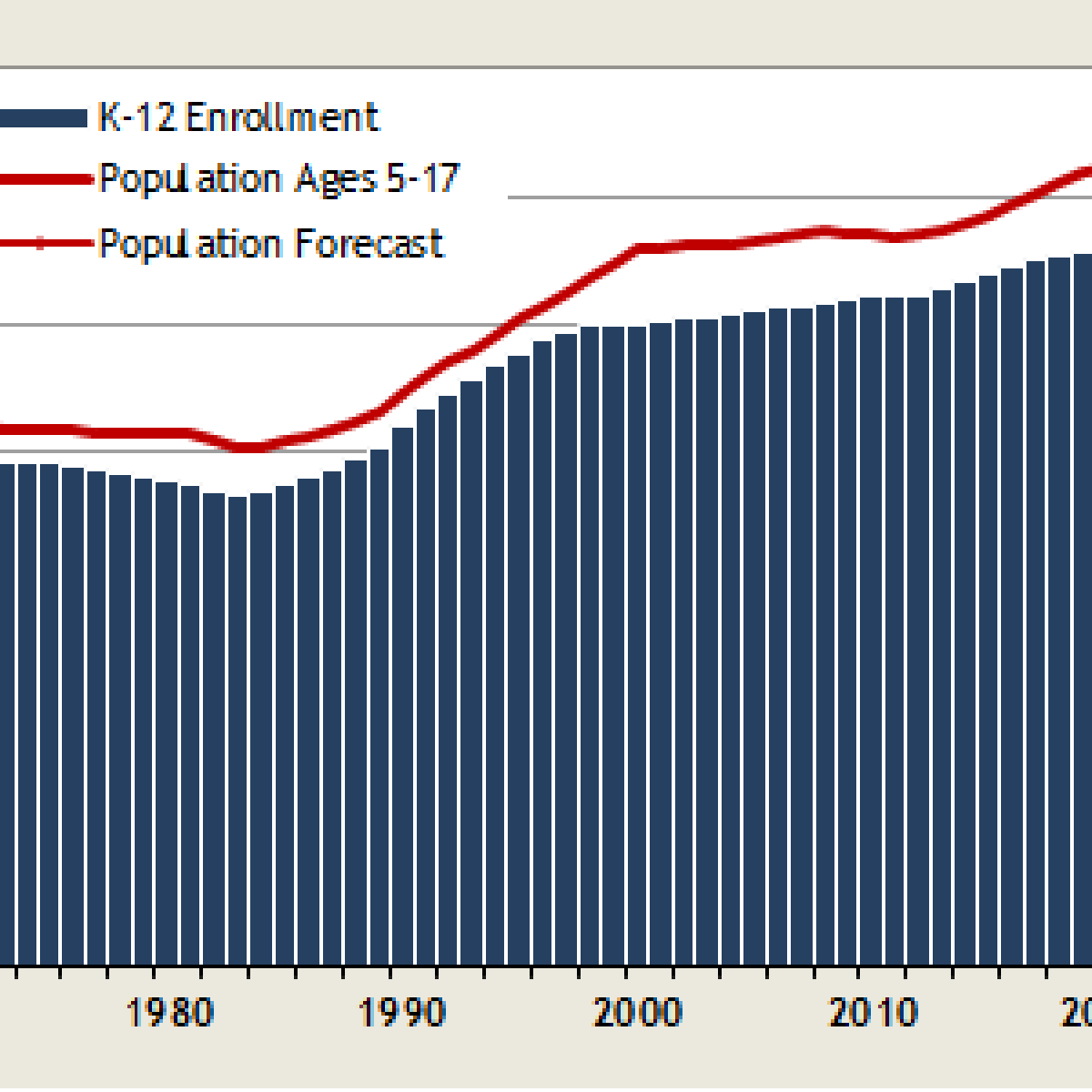
School district financial struggles are not related to enrollment projections, state report finds
A recent state report indicates that financial difficulties faced by school districts are not primarily driven by inaccurate enrollment projections.
The story
in brief.
What happened, who it affects, and why it landed on our intelligence desk — in plain English, sixty seconds or less.
A recent state report indicates that financial difficulties faced by school districts are not primarily driven by inaccurate enrollment projections. This finding challenges the common assumption that demographic forecasting errors are the main cause of budgetary shortfalls in public education. Instead, the data suggests other structural or operational factors may be at play. For professionals in education and public sector roles, this highlights the need to look beyond student numbers when diagnosing fiscal health. The report underscores the complexity of district finance, urging stakeholders to examine broader economic pressures and administrative efficiencies rather than blaming demographic shifts alone for current fiscal strains.
Indicative index of skill mentions in professional job postings for the field this story moves (2019 = 1)
What this means
for your career.
Every headline redistributes opportunity. Here is who this one rewards — and how to be on the right side of it.
You must shift your focus from demographic forecasting to deeper financial diagnostics. As enrollment metrics lose their explanatory power for district solvency, skills in public sector finance and strategic resource allocation become critical. Professionals in education administration should prioritise understanding complex funding models and cost-control mechanisms. If you work in policy or district management, audit your current budgeting assumptions immediately. Invest in training that strengthens your ability to interpret fiscal data beyond headcount. Smart practitioners will develop expertise in sustainable financial planning, ensuring their institutions remain resilient against economic volatility. Prioritise courses that enhance your analytical rigour in public finance, as this is where the real challenges—and career opportunities—now lie.
For this story, the fields that convert it into pay are Finance and Accounting, Public Administration, Education and Business and Management — exactly the programmes matched below. The chart shows the indicative salary uplift certified professionals report in each of those fields; every one of them is a click away, from £79, finishing in as few as 20 days.
Indicative ranges from published continuing-education salary studies, by field — each field is a recommended course below
Enrol in these
to benefit.
These programmes position you for exactly this shift — online, self-paced, and finishing with a verifiable certificate you can share the day you pass.
 Best match
Certificate in Finance and Accounting
 Recommended
Certificate in Public Administration
 Recommended
Certificate in Education
 Recommended
Certificate in Business and Management
Launch pricing shown against standard certificate value. The fee you see today is the fee you lock in.
This briefing is based on reporting by Yakima Herald-Republic on 27 Oct, 12:00. Read the original coverage →
Read the news. Then outrun it.
Every LSBR programme is online, self-paced and from £79 — so a headline today can be your credential this month.
