
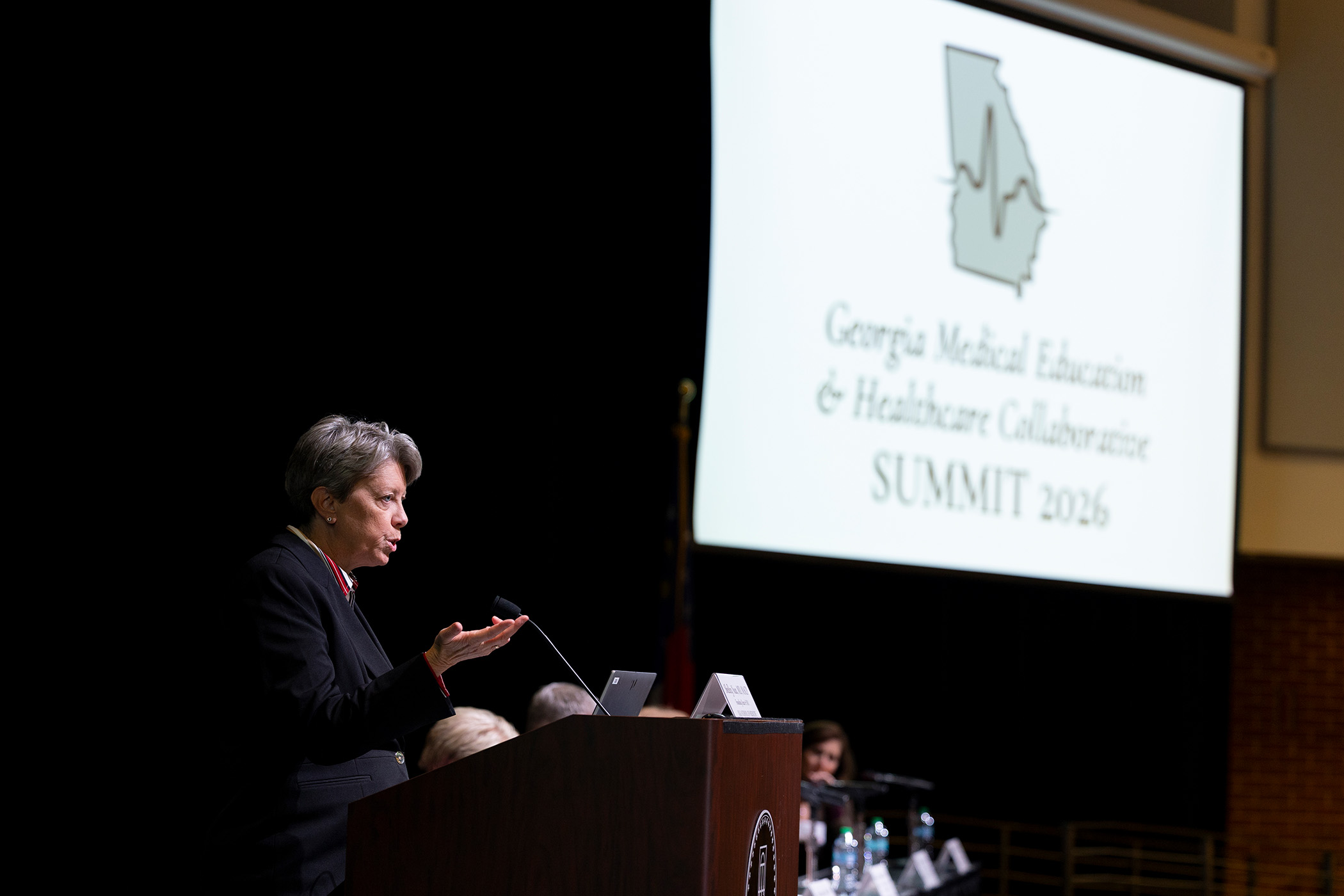
School of Medicine hosts Georgia Medical Education and Healthcare Collaborative Summit
The University of Georgia School of Medicine recently convened the Georgia Medical Education and Healthcare Collaborative Summit.
The story
in brief.
What happened, who it affects, and why it landed on our intelligence desk — in plain English, sixty seconds or less.
The University of Georgia School of Medicine recently convened the Georgia Medical Education and Healthcare Collaborative Summit. This event gathered key stakeholders to discuss pressing issues within the state’s medical education framework and broader healthcare delivery systems. Participants focused on enhancing collaborative efforts between academic institutions and clinical partners. The summit aimed to identify strategies for improving workforce development and patient care outcomes through integrated educational models. It highlights a growing emphasis on systemic cooperation in Georgia’s health sector, addressing current gaps in training and service provision for future medical professionals and practitioners.
Indicative index of skill mentions in professional job postings for the field this story moves (2019 = 1)
What this means
for your career.
Every headline redistributes opportunity. Here is who this one rewards — and how to be on the right side of it.
This summit signals a shift toward integrated healthcare delivery, elevating the value of cross-sector collaboration skills. Professionals in healthcare administration, education, and policy must now prioritise interoperability and strategic partnership building. You should focus on understanding how educational frameworks directly impact clinical outcomes. If you work in health services, develop expertise in workforce planning and collaborative governance. For educators, align your curriculum with emerging industry needs highlighted at such summits. Smart professionals will network with attendees to identify emerging roles in health system coordination. Invest in learning about healthcare policy and operational efficiency. This development suggests that siloed expertise is less valuable than holistic, system-wide problem-solving abilities. Stay informed on regional health initiatives to position yourself as a connector between education and practice.
For this story, the fields that convert it into pay are Healthcare Management, Health and Social Care, Public Administration and Education — exactly the programmes matched below. The chart shows the indicative salary uplift certified professionals report in each of those fields; every one of them is a click away, from £79, finishing in as few as 20 days.
Indicative ranges from published continuing-education salary studies, by field — each field is a recommended course below
Enrol in these
to benefit.
These programmes position you for exactly this shift — online, self-paced, and finishing with a verifiable certificate you can share the day you pass.
 Best match
Certificate in Healthcare Management
 Recommended
Certificate in Health and Social Care
 Recommended
Certificate in Public Administration
 Recommended
Certificate in Education
Launch pricing shown against standard certificate value. The fee you see today is the fee you lock in.
This briefing is based on reporting by UGA Today on 23 Oct, 14:35. Read the original coverage →
Read the news. Then outrun it.
Every LSBR programme is online, self-paced and from £79 — so a headline today can be your credential this month.
