
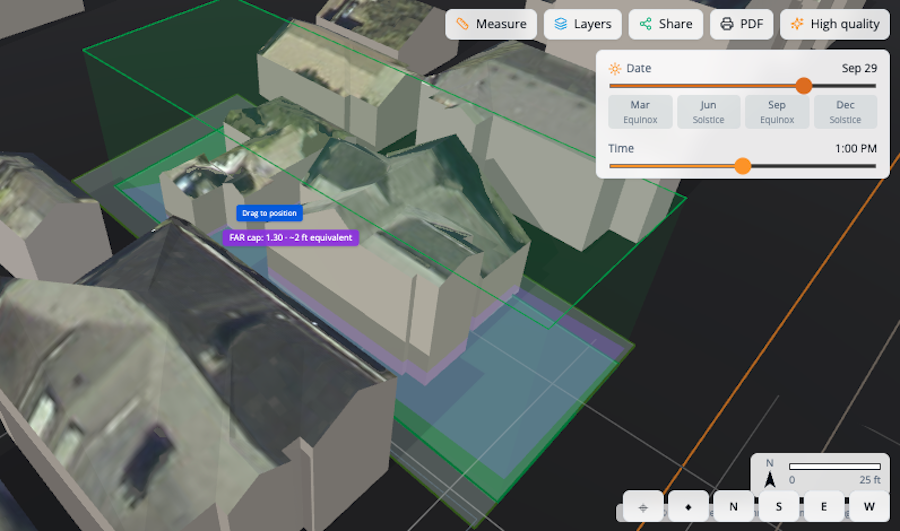
Seattle software engineer turned general contractor built an AI guide to the patchwork of permit rules
A former Seattle software engineer has transitioned to general contracting, developing an artificial intelligence guide to navigate the complex, fragmented landscape of building permit regulations.
The story
in brief.
What happened, who it affects, and why it landed on our intelligence desk — in plain English, sixty seconds or less.
A former Seattle software engineer has transitioned to general contracting, developing an artificial intelligence guide to navigate the complex, fragmented landscape of building permit regulations. This initiative addresses the significant administrative burden faced by construction professionals who must interpret varying local codes. The tool aims to streamline compliance processes, reducing time spent on bureaucratic hurdles. By leveraging technology to decode regulatory requirements, the project highlights a growing intersection between software development and traditional trades. It offers a potential solution for professionals seeking to manage regulatory complexity more efficiently, demonstrating how digital tools can be applied to resolve longstanding operational inefficiencies in the construction sector.
Indicative index of skill mentions in professional job postings for the field this story moves (2019 = 1)
What this means
for your career.
Every headline redistributes opportunity. Here is who this one rewards — and how to be on the right side of it.
This development signals that technical literacy is becoming essential in non-tech industries. You should recognise that understanding regulatory frameworks alongside digital tools is a powerful career differentiator. Professionals in construction, project management, and operations must now value skills in process automation and compliance technology. If you work in these sectors, pay attention to how AI can simplify administrative tasks. A smart professional would next explore courses in AI applications for their specific industry. Learn to identify repetitive regulatory tasks that can be automated. Develop the ability to communicate with technical teams about software solutions. By mastering both domain knowledge and digital tools, you position yourself as a strategic asset capable of driving efficiency and reducing risk in complex, regulated environments.
For this story, the fields that convert it into pay are AI in Construction, Project Management, Business analysis and Occupational Health and Safety — exactly the programmes matched below. The chart shows the indicative salary uplift certified professionals report in each of those fields; every one of them is a click away, from £79, finishing in as few as 20 days.
Indicative ranges from published continuing-education salary studies, by field — each field is a recommended course below
Enrol in these
to benefit.
These programmes position you for exactly this shift — online, self-paced, and finishing with a verifiable certificate you can share the day you pass.
 Best match
Certificate in AI in Construction
 Recommended
Certificate in Project Management
 Recommended
Certificate in Business analysis
 Recommended
Certificate in Occupational Health and Safety
Launch pricing shown against standard certificate value. The fee you see today is the fee you lock in.
This briefing is based on reporting by GeekWire on 2 Oct, 14:42. Read the original coverage →
Read the news. Then outrun it.
Every LSBR programme is online, self-paced and from £79 — so a headline today can be your credential this month.
