
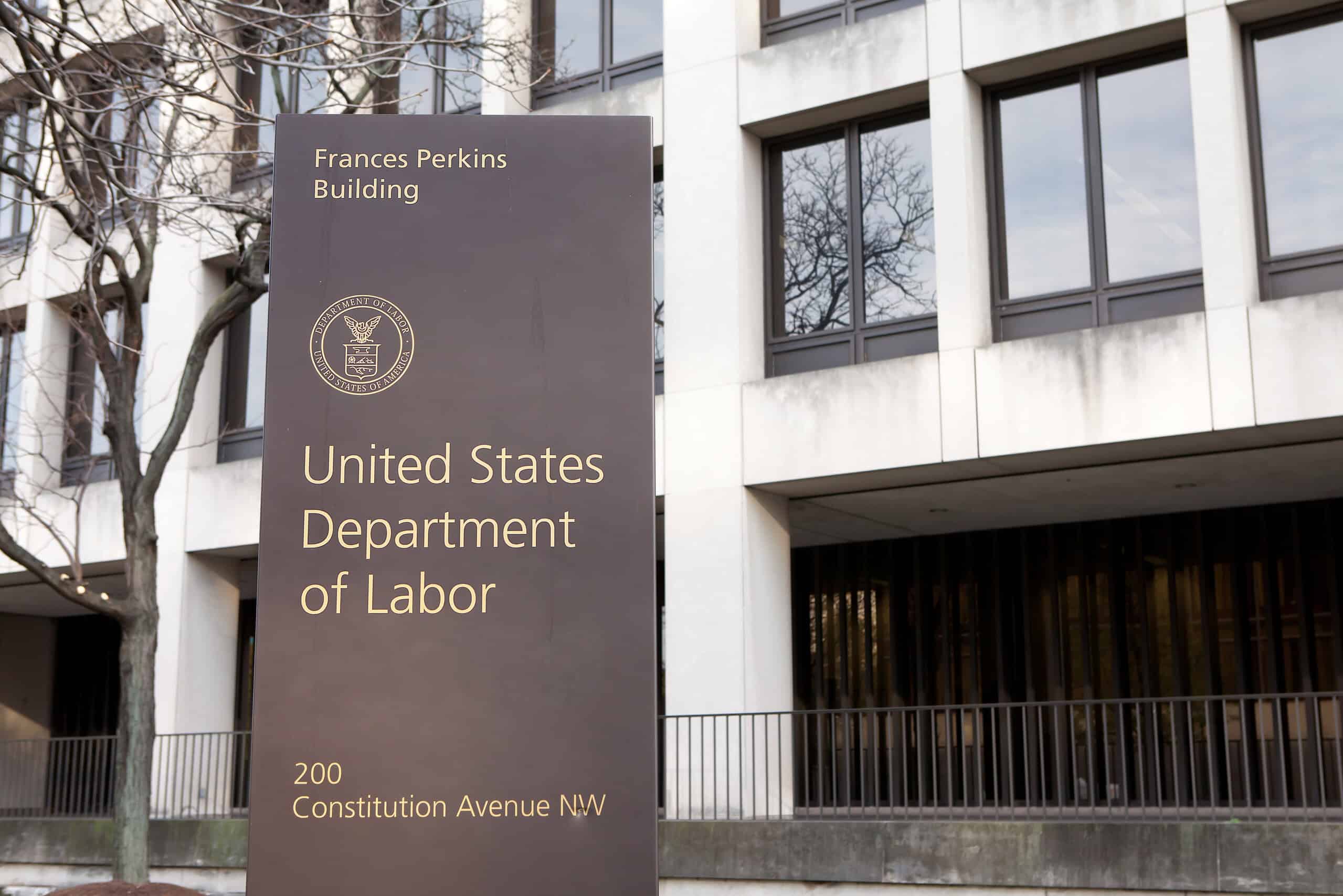
September Jobs Report Underwhelms, as Finance Sector Slumps
The latest September employment data has disappointed market expectations, primarily due to a significant downturn in the finance sector.
The story
in brief.
What happened, who it affects, and why it landed on our intelligence desk — in plain English, sixty seconds or less.
The latest September employment data has disappointed market expectations, primarily due to a significant downturn in the finance sector. Job creation fell short of forecasts, reflecting broader economic caution and reduced hiring activity within banking and financial services firms. This contraction suggests a cooling labour market in a key industry, prompting professionals to reassess their career strategies amidst shifting economic indicators and potential sector-wide restructuring.
Indicative index of skill mentions in professional job postings for the field this story moves (2019 = 1)
What this means
for your career.
Every headline redistributes opportunity. Here is who this one rewards — and how to be on the right side of it.
This slump signals a need for diversification beyond traditional finance roles. You should prioritise transferable skills that remain resilient during sector downturns, such as risk assessment and data interpretation. Focus on upskilling in areas where demand persists, like regulatory compliance or technological integration. Smart professionals will audit their current skill sets, identifying gaps in digital literacy or strategic analysis. Consider lateral moves into adjacent sectors like fintech or consulting, where finance expertise is still valued but hiring may be steadier. Proactively network with peers in growth industries to uncover hidden opportunities. Do not wait for the market to recover; instead, adapt your profile to demonstrate versatility and immediate value in a tighter job market.
For this story, the fields that convert it into pay are Risk Management, Data analytics, Business analysis and AI in Finance — exactly the programmes matched below. The chart shows the indicative salary uplift certified professionals report in each of those fields; every one of them is a click away, from £79, finishing in as few as 20 days.
Indicative ranges from published continuing-education salary studies, by field — each field is a recommended course below
Enrol in these
to benefit.
These programmes position you for exactly this shift — online, self-paced, and finishing with a verifiable certificate you can share the day you pass.
 Best match
Certificate in Risk Management
Recommended
Certificate in Data analytics
 Recommended
Certificate in Business analysis
 Recommended
Certificate in AI in Finance
Launch pricing shown against standard certificate value. The fee you see today is the fee you lock in.
This briefing is based on reporting by Global Finance Magazine on 2 Oct, 18:33. Read the original coverage →
Read the news. Then outrun it.
Every LSBR programme is online, self-paced and from £79 — so a headline today can be your credential this month.
