
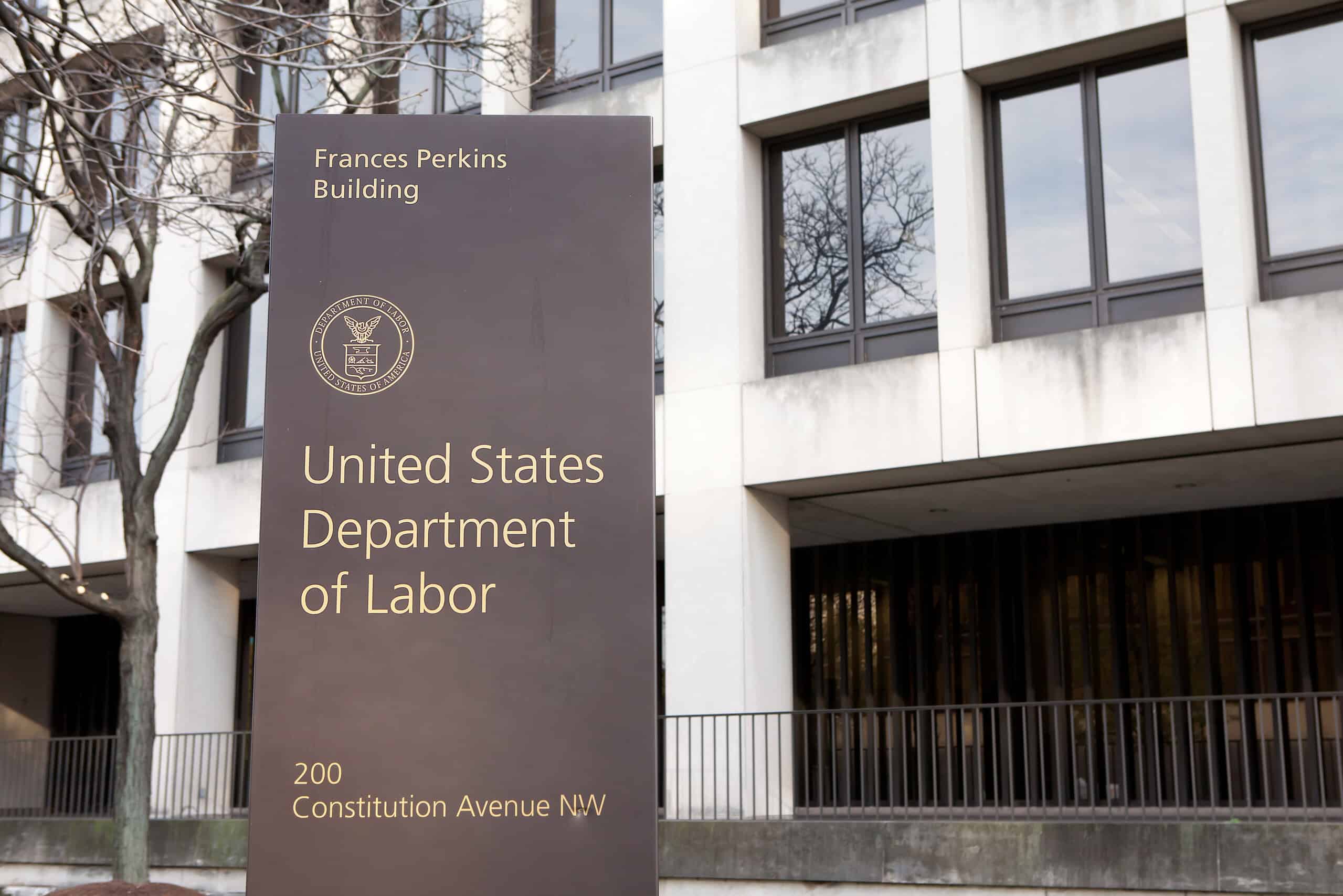
September Jobs Report Underwhelms, as Finance Sector Slumps
The latest September employment data has failed to meet expectations, driven primarily by a significant contraction within the finance sector.
The story
in brief.
What happened, who it affects, and why it landed on our intelligence desk — in plain English, sixty seconds or less.
The latest September employment data has failed to meet expectations, driven primarily by a significant contraction within the finance sector. This underwhelming report indicates a broader slowdown in hiring activity, with financial institutions reducing headcount or freezing recruitment. The figures suggest that while other industries may remain stable, the finance domain is experiencing distinct pressure. Professionals should note this divergence, as it highlights sector-specific vulnerabilities amidst the current economic landscape. The data serves as a factual indicator of shifting labour market dynamics, requiring careful interpretation for strategic career planning.
Indicative index of skill mentions in professional job postings for the field this story moves (2019 = 1)
What this means
for your career.
Every headline redistributes opportunity. Here is who this one rewards — and how to be on the right side of it.
You must adapt to a tighter labour market where finance roles are scarce. Focus on transferable skills that transcend sector boundaries. Data analytics and risk management are increasingly valuable as firms seek efficiency and stability. If you work in finance, consider pivoting to adjacent fields like technology or healthcare, which show greater resilience. Upskill in digital tools to enhance your productivity and appeal. Network actively within growing sectors to uncover hidden opportunities. Do not wait for the market to recover; take proactive steps to diversify your skill set. Prioritise roles that offer long-term stability over short-term gains. Your agility and continuous learning will determine your career trajectory in this uncertain environment.
For this story, the fields that convert it into pay are Data analytics, Risk Management, Business and Management and AI in Finance — exactly the programmes matched below. The chart shows the indicative salary uplift certified professionals report in each of those fields; every one of them is a click away, from £79, finishing in as few as 20 days.
Indicative ranges from published continuing-education salary studies, by field — each field is a recommended course below
Enrol in these
to benefit.
These programmes position you for exactly this shift — online, self-paced, and finishing with a verifiable certificate you can share the day you pass.
 Best match
Certificate in Data analytics
Recommended
Certificate in Risk Management
 Recommended
Certificate in Business and Management
 Recommended
Certificate in AI in Finance
Launch pricing shown against standard certificate value. The fee you see today is the fee you lock in.
This briefing is based on reporting by Global Finance Magazine on 2 Oct, 18:33. Read the original coverage →
Read the news. Then outrun it.
Every LSBR programme is online, self-paced and from £79 — so a headline today can be your credential this month.
