
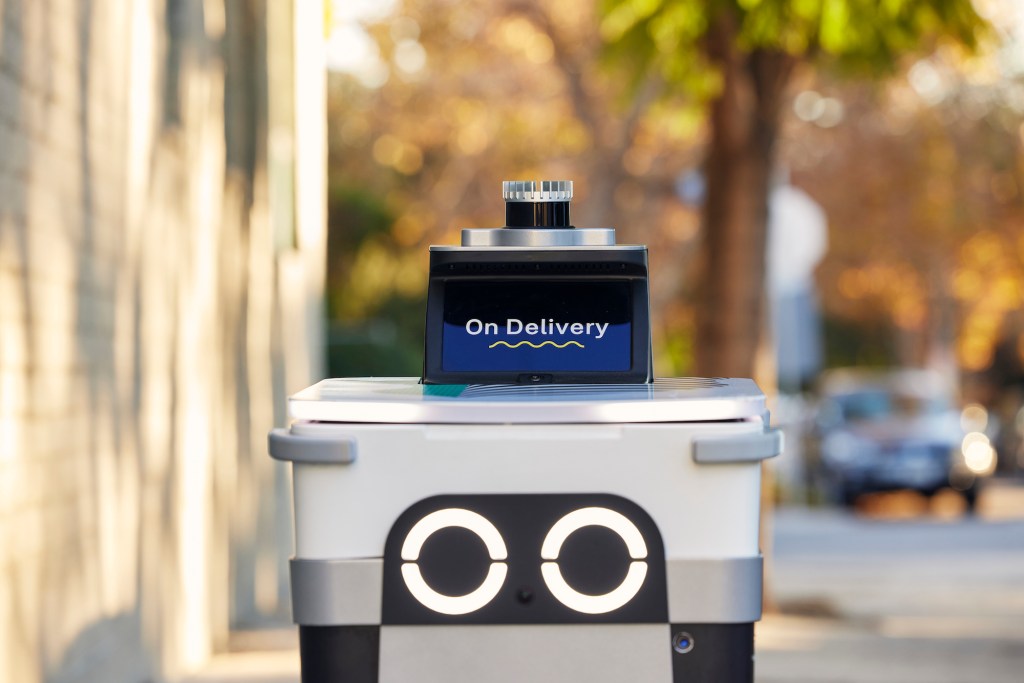
Serve Robotics launches new business to become the AWS for robots
Serve Robotics has announced the launch of a new business unit designed to function as the 'AWS for robots', aiming to provide a comprehensive cloud infrastructure specifically for autonomous machines.
The story
in brief.
What happened, who it affects, and why it landed on our intelligence desk — in plain English, sixty seconds or less.
Serve Robotics has announced the launch of a new business unit designed to function as the 'AWS for robots', aiming to provide a comprehensive cloud infrastructure specifically for autonomous machines. The initiative seeks to simplify the deployment, management, and scaling of robotic fleets by offering standardised software tools and computing resources. This move mirrors the transformative impact Amazon Web Services had on general computing, suggesting a significant shift towards centralised, cloud-based orchestration in the physical automation sector. The platform intends to lower barriers to entry for companies wishing to integrate advanced robotics into their operations, thereby accelerating industry-wide adoption.
Indicative index of skill mentions in professional job postings for the field this story moves (2019 = 1)
What this means
for your career.
Every headline redistributes opportunity. Here is who this one rewards — and how to be on the right side of it.
This shift means you must understand cloud-native robotics architectures. Traditional hardware maintenance skills are becoming less critical than software integration and fleet management capabilities. Professionals in engineering, supply chain, and operations should prioritise learning how robots interact with cloud data streams. You need to grasp the intersection of physical automation and digital infrastructure. If you work in logistics or manufacturing, upskill in AI strategy and cloud computing immediately. Do not ignore this trend; the professionals who bridge the gap between mechanical systems and cloud software will command premium salaries. Start by auditing your current technical stack. Identify gaps in your knowledge of robotic process automation and cloud deployment. Network with peers in emerging tech sectors to understand how these platforms change daily workflows. Adaptability is your greatest asset here.
For this story, the fields that convert it into pay are Cloud computing, Artificial Intelligence, AI in Logistics and Engineering — exactly the programmes matched below. The chart shows the indicative salary uplift certified professionals report in each of those fields; every one of them is a click away, from £79, finishing in as few as 20 days.
Indicative ranges from published continuing-education salary studies, by field — each field is a recommended course below
Enrol in these
to benefit.
These programmes position you for exactly this shift — online, self-paced, and finishing with a verifiable certificate you can share the day you pass.
 Best match
Certificate in Cloud computing
Recommended
Certificate in Artificial Intelligence
 Recommended
Certificate in AI in Logistics
 Recommended
Certificate in Engineering
Launch pricing shown against standard certificate value. The fee you see today is the fee you lock in.
This briefing is based on reporting by TechCrunch on 5 Nov, 21:15. Read the original coverage →
Read the news. Then outrun it.
Every LSBR programme is online, self-paced and from £79 — so a headline today can be your credential this month.
