
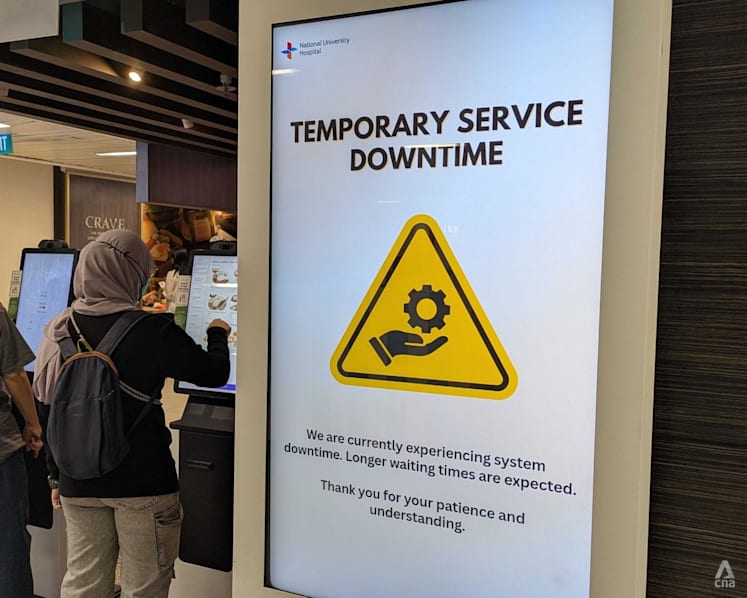
Services restored after hours-long disruption at public healthcare clusters; no indication of cyberattack: Health tech agency
Public healthcare clusters in the national healthcare system experienced a significant, hours-long operational disruption.
The story
in brief.
What happened, who it affects, and why it landed on our intelligence desk — in plain English, sixty seconds or less.
Public healthcare clusters in the national healthcare system experienced a significant, hours-long operational disruption. The Health Sciences Authority confirmed that services have now been fully restored. Crucially, officials stated there is currently no indication that a cyberattack was responsible for the incident. This clarification helps dispel immediate fears of malicious digital intrusion, pointing instead towards potential technical failures or internal system errors within critical health infrastructure. For professionals, this underscores the fragility of essential services and the importance of robust contingency planning, even when security breaches are not the primary cause of downtime.
Indicative index of skill mentions in professional job postings for the field this story moves (2019 = 1)
What this means
for your career.
Every headline redistributes opportunity. Here is who this one rewards — and how to be on the right side of it.
This incident highlights that operational resilience is as critical as cybersecurity. Even without a malicious attack, prolonged downtime exposes systemic vulnerabilities. As a professional, you must recognise that organisations increasingly value leaders who can manage crisis response and ensure business continuity. You should focus on strengthening your skills in risk assessment and operational management. Consider how your role contributes to system stability. If you work in healthcare or tech, audit your department’s disaster recovery protocols. Proactively learning about infrastructure reliability and incident management will make you indispensable. Do not wait for a crisis to understand your organisation’s dependencies. Instead, position yourself as the expert who ensures services remain robust under pressure, regardless of the disruption’s origin.
For this story, the fields that convert it into pay are Healthcare Management, Risk Management, Cyber Security and Business and Management — exactly the programmes matched below. The chart shows the indicative salary uplift certified professionals report in each of those fields; every one of them is a click away, from £79, finishing in as few as 20 days.
Indicative ranges from published continuing-education salary studies, by field — each field is a recommended course below
Enrol in these
to benefit.
These programmes position you for exactly this shift — online, self-paced, and finishing with a verifiable certificate you can share the day you pass.
 Best match
Certificate in Healthcare Management
 Recommended
Certificate in Risk Management
 Recommended
Certificate in Cyber Security
 Recommended
Certificate in Business and Management
Launch pricing shown against standard certificate value. The fee you see today is the fee you lock in.
This briefing is based on reporting by CNA on 13 Oct, 10:49. Read the original coverage →
Read the news. Then outrun it.
Every LSBR programme is online, self-paced and from £79 — so a headline today can be your credential this month.
