
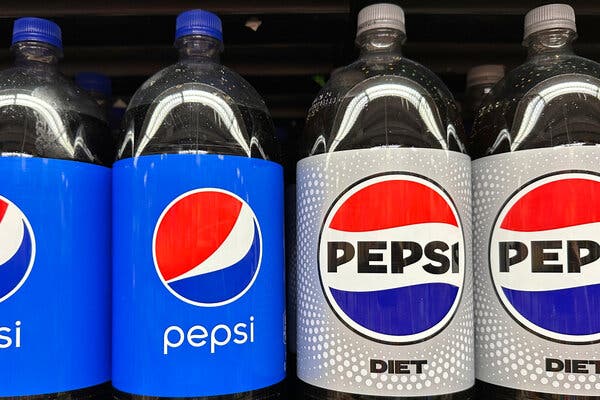
Shifting Eating Habits Have PepsiCo Investors Seeking Operational Changes
PepsiCo investors are urging the multinational food and beverage giant to implement significant operational changes in response to evolving consumer eating habits.
The story
in brief.
What happened, who it affects, and why it landed on our intelligence desk — in plain English, sixty seconds or less.
PepsiCo investors are urging the multinational food and beverage giant to implement significant operational changes in response to evolving consumer eating habits. As demand shifts away from traditional sugary and salty snacks towards healthier alternatives, shareholders are pressing leadership to adapt its product portfolio and manufacturing processes. This move highlights the growing pressure on established FMCG companies to align their core offerings with modern health-conscious trends. The report underscores a critical juncture where legacy brands must pivot strategically to maintain market relevance and satisfy investor expectations for sustainable long-term growth amidst changing dietary preferences.
Indicative index of skill mentions in professional job postings for the field this story moves (2019 = 1)
What this means
for your career.
Every headline redistributes opportunity. Here is who this one rewards — and how to be on the right side of it.
This shift signals that agility in product development is now paramount. Professionals in product management and marketing must prioritise data-driven consumer insights to identify emerging health trends early. You should focus on upskilling in market research and sustainable supply chain practices, as these areas will dictate competitive advantage. If you work in operations, understand how to reconfigure manufacturing for diverse, healthier ingredient profiles. For strategists, the ability to pivot brand positioning quickly is essential. Do not ignore the rise of functional nutrition; it is reshaping the entire value chain. Start by analysing current consumer sentiment data within your organisation. Identify gaps between your offerings and modern dietary needs. Develop a roadmap for incremental portfolio innovation. Collaborate closely with R&D and procurement teams to ensure feasibility. Your career resilience depends on demonstrating how you can drive this necessary transformation effectively.
For this story, the fields that convert it into pay are Marketing, Supply Chain, Business and Management and Data analytics — exactly the programmes matched below. The chart shows the indicative salary uplift certified professionals report in each of those fields; every one of them is a click away, from £79, finishing in as few as 20 days.
Indicative ranges from published continuing-education salary studies, by field — each field is a recommended course below
Enrol in these
to benefit.
These programmes position you for exactly this shift — online, self-paced, and finishing with a verifiable certificate you can share the day you pass.
 Best match
Certificate in Marketing
 Recommended
Certificate in Supply Chain
 Recommended
Certificate in Business and Management
 Recommended
Certificate in Data analytics
Launch pricing shown against standard certificate value. The fee you see today is the fee you lock in.
This briefing is based on reporting by The New York Times on 8 Oct, 16:38. Read the original coverage →
Read the news. Then outrun it.
Every LSBR programme is online, self-paced and from £79 — so a headline today can be your credential this month.
