
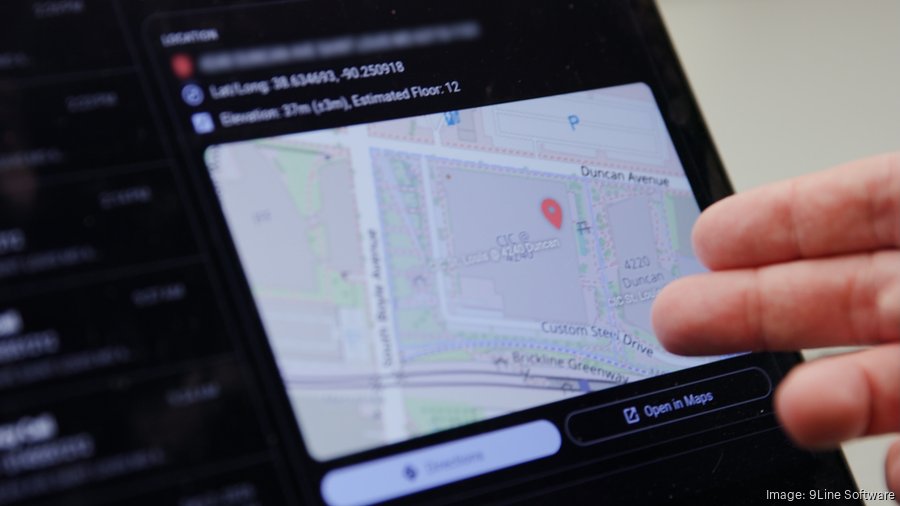
St. Louis startup targets $20M revenue boost as it launches cellular 911 tracking technology
A St. Louis-based startup is projecting a significant revenue increase of twenty million dollars following the launch of its new cellular 911 tracking technology. This innovation aims to enhance emergency response efficiency by leveraging mobile network data for precise location tracking. The development highlights a growing intersection between telecommunications infrastructure and public safety systems. For professionals, this signals a shift towards tech-driven emergency services, suggesting increased demand for expertise in telecommunications engineering, regulatory compliance, and public sector technology integration. The story underscores the commercial viability of safety-focused tech solutions.
The story
in brief.
What happened, who it affects, and why it landed on our intelligence desk — in plain English, sixty seconds or less.
A St. Louis-based startup is projecting a significant revenue increase of twenty million dollars following the launch of its new cellular 911 tracking technology. This innovation aims to enhance emergency response efficiency by leveraging mobile network data for precise location tracking. The development highlights a growing intersection between telecommunications infrastructure and public safety systems. For professionals, this signals a shift towards tech-driven emergency services, suggesting increased demand for expertise in telecommunications engineering, regulatory compliance, and public sector technology integration. The story underscores the commercial viability of safety-focused tech solutions.
Indicative index of skill mentions in professional job postings for the field this story moves (2019 = 1)
What this means
for your career.
Every headline redistributes opportunity. Here is who this one rewards — and how to be on the right side of it.
This development signals a surge in demand for professionals who bridge telecommunications engineering with public safety infrastructure. If you work in tech or emergency services, focus on understanding cellular network protocols and geolocation technologies. Regulatory compliance skills are increasingly vital, as this sector faces strict government oversight. You should also develop competencies in project management for complex hardware-software integrations. Smart professionals will upskill in data analytics to interpret tracking metrics effectively. Consider networking with public administration bodies to understand operational needs. Prioritise certifications in cyber security, as location data is highly sensitive. By aligning your expertise with these emerging requirements, you position yourself for high-value roles in this expanding niche.
For this story, the fields that convert it into pay are Engineering, Cyber Security, Project Management and Public Administration — exactly the programmes matched below. The chart shows the indicative salary uplift certified professionals report in each of those fields; every one of them is a click away, from £79, finishing in as few as 20 days.
Indicative ranges from published continuing-education salary studies, by field — each field is a recommended course below
Enrol in these
to benefit.
These programmes position you for exactly this shift — online, self-paced, and finishing with a verifiable certificate you can share the day you pass.
 Best match
Certificate in Engineering
 Recommended
Certificate in Cyber Security
 Recommended
Certificate in Project Management
 Recommended
Certificate in Public Administration
Launch pricing shown against standard certificate value. The fee you see today is the fee you lock in.
This briefing is based on reporting by The Business Journals on 28 Oct, 19:54. Read the original coverage →
Read the news. Then outrun it.
Every LSBR programme is online, self-paced and from £79 — so a headline today can be your credential this month.
