
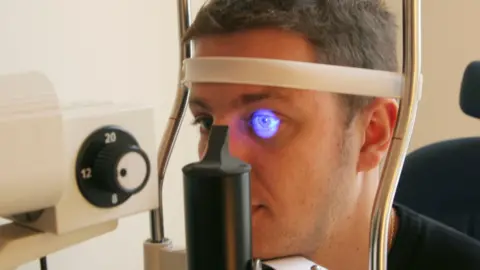
Sunderland project using AI to help eye tests detect diabetes
Researchers at Sunderland are developing an artificial intelligence system designed to assist in detecting diabetes through routine eye tests.
The story
in brief.
What happened, who it affects, and why it landed on our intelligence desk — in plain English, sixty seconds or less.
Researchers at Sunderland are developing an artificial intelligence system designed to assist in detecting diabetes through routine eye tests. This initiative leverages advanced algorithms to analyse retinal images, aiming to identify early signs of the condition more efficiently than traditional methods. The project highlights a growing trend of integrating machine learning into clinical diagnostics, potentially transforming how healthcare providers screen for chronic diseases. For professionals, it signals a shift towards data-driven medical assessments, emphasising the need for cross-disciplinary collaboration between technology experts and medical practitioners to implement these tools effectively within existing healthcare frameworks.
Indicative index of skill mentions in professional job postings for the field this story moves (2019 = 1)
What this means
for your career.
Every headline redistributes opportunity. Here is who this one rewards — and how to be on the right side of it.
This development signals a critical shift in healthcare delivery, where technical skills intersect directly with clinical outcomes. You should pay close attention if you work in health technology, data science, or clinical operations. The value of skills in interpreting AI-driven diagnostics and managing digital health integrations is rising sharply. As a smart professional, you must bridge the gap between algorithmic capability and patient care. Start by upskilling in health data analytics and regulatory compliance for medical AI. Understand how to validate these tools in real-world settings. This is not just about coding; it is about ensuring safety, efficacy, and adoption. Position yourself as a translator between engineering teams and medical staff, ensuring these innovations translate into tangible improvements in early detection and patient management strategies.
For this story, the fields that convert it into pay are AI in Healthcare, Data Science, Healthcare Management and Artificial Intelligence — exactly the programmes matched below. The chart shows the indicative salary uplift certified professionals report in each of those fields; every one of them is a click away, from £79, finishing in as few as 20 days.
Indicative ranges from published continuing-education salary studies, by field — each field is a recommended course below
Enrol in these
to benefit.
These programmes position you for exactly this shift — online, self-paced, and finishing with a verifiable certificate you can share the day you pass.
 Best match
Certificate in AI in Healthcare
 Recommended
Certificate in Data Science
 Recommended
Certificate in Healthcare Management
 Recommended
Certificate in Artificial Intelligence
Launch pricing shown against standard certificate value. The fee you see today is the fee you lock in.
This briefing is based on reporting by BBC on 6 Nov, 06:09. Read the original coverage →
Read the news. Then outrun it.
Every LSBR programme is online, self-paced and from £79 — so a headline today can be your credential this month.
