
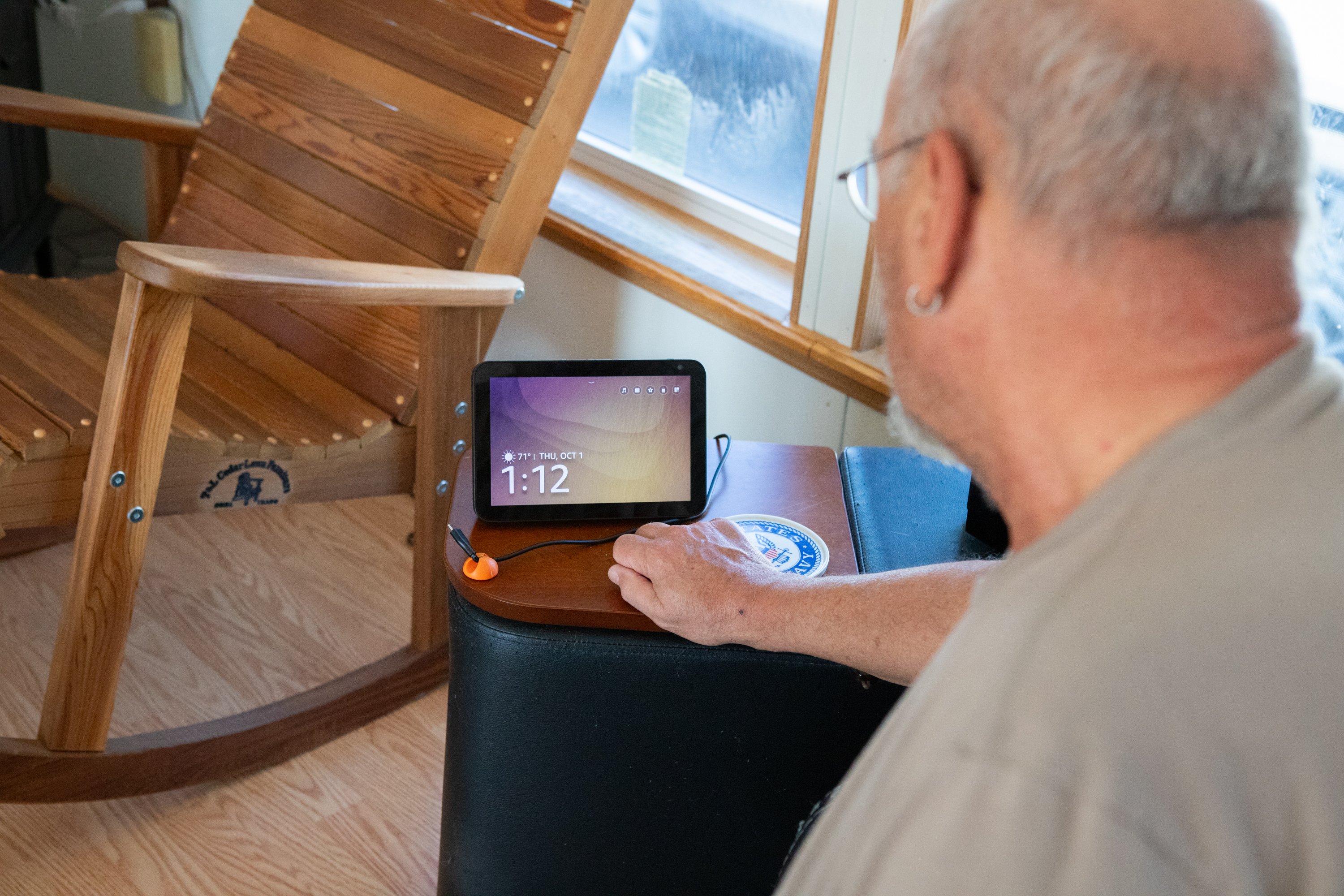
Technology is helping older adults age in place. Can Maine take advantage of it?
Recent reporting examines how emerging technologies facilitate ageing in place for older adults, questioning whether Maine can effectively leverage these innovations.
The story
in brief.
What happened, who it affects, and why it landed on our intelligence desk — in plain English, sixty seconds or less.
Recent reporting examines how emerging technologies facilitate ageing in place for older adults, questioning whether Maine can effectively leverage these innovations. The narrative highlights the potential for digital tools to support independent living, reducing pressure on traditional care facilities. However, it underscores significant regional challenges in adoption and infrastructure. The story serves as a case study for the intersection of demographic shifts and technological implementation, illustrating the broader tension between available solutions and local capacity to deploy them sustainably within specific geographic and economic contexts.
Indicative index of skill mentions in professional job postings for the field this story moves (2019 = 1)
What this means
for your career.
Every headline redistributes opportunity. Here is who this one rewards — and how to be on the right side of it.
This shift signals a growing demand for professionals who bridge technology and elderly care. Skills in digital health integration, user experience design for older adults, and health data management will rise in value. If you work in healthcare, tech, or public policy, pay close attention to the operational challenges of deploying assistive technologies. A smart professional would now upskill in digital health literacy and project management for community-based tech initiatives. Consider specialising in telehealth infrastructure or smart home integration for care settings. By positioning yourself at this intersection, you become indispensable to organisations navigating the complex logistics of ageing populations, ensuring your career remains relevant as the sector expands rapidly across multiple industries.
For this story, the fields that convert it into pay are Healthcare Management, AI in Healthcare, Project Management and Health and Social Care — exactly the programmes matched below. The chart shows the indicative salary uplift certified professionals report in each of those fields; every one of them is a click away, from £79, finishing in as few as 20 days.
Indicative ranges from published continuing-education salary studies, by field — each field is a recommended course below
Enrol in these
to benefit.
These programmes position you for exactly this shift — online, self-paced, and finishing with a verifiable certificate you can share the day you pass.
 Best match
Certificate in Healthcare Management
 Recommended
Certificate in AI in Healthcare
 Recommended
Certificate in Project Management
 Recommended
Certificate in Health and Social Care
Launch pricing shown against standard certificate value. The fee you see today is the fee you lock in.
This briefing is based on reporting by The Portland Press Herald on 17 Oct, 08:00. Read the original coverage →
Read the news. Then outrun it.
Every LSBR programme is online, self-paced and from £79 — so a headline today can be your credential this month.
