
Technology with a spin
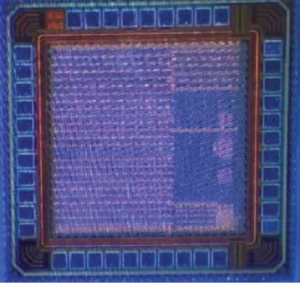
Nature reports on emerging technologies that introduce rotational or spin-based mechanisms into computing and data processing architectures.
The story
in brief.
What happened, who it affects, and why it landed on our intelligence desk — in plain English, sixty seconds or less.
Nature reports on emerging technologies that introduce rotational or spin-based mechanisms into computing and data processing architectures. This development moves beyond traditional binary logic, leveraging quantum or classical spin properties to enhance information storage and transmission efficiency. The research highlights significant potential for faster processing speeds and reduced energy consumption in next-generation hardware. For professionals, this signals a shift towards interdisciplinary engineering solutions that combine physics principles with computer science, promising breakthroughs in fields requiring high-performance computational power and advanced material science applications.
Indicative index of skill mentions in professional job postings for the field this story moves (2019 = 1)
What this means
for your career.
Every headline redistributes opportunity. Here is who this one rewards — and how to be on the right side of it.
This breakthrough demands that you look beyond standard software development roles. As hardware evolves to utilise spin-based technologies, professionals with strong foundations in physics and engineering will see increased demand. You should prioritise upskilling in areas where computational theory meets physical implementation. Focus on understanding the underlying principles of these new architectures to remain relevant. Smart professionals will now bridge the gap between traditional IT and advanced hardware engineering. Consider pursuing qualifications that enhance your technical depth in these emerging fields. By mastering these concepts early, you position yourself as a strategic asset capable of navigating the transition to next-generation computing systems.
For this story, the fields that convert it into pay are Artificial Intelligence, Data Science, Engineering and Cloud computing — exactly the programmes matched below. The chart shows the indicative salary uplift certified professionals report in each of those fields; every one of them is a click away, from £79, finishing in as few as 20 days.
Indicative ranges from published continuing-education salary studies, by field — each field is a recommended course below
Enrol in these
to benefit.
These programmes position you for exactly this shift — online, self-paced, and finishing with a verifiable certificate you can share the day you pass.
 Best match
Certificate in Artificial Intelligence
 Recommended
Certificate in Data Science
 Recommended
Certificate in Engineering
Recommended
Certificate in Cloud computing
Launch pricing shown against standard certificate value. The fee you see today is the fee you lock in.
This briefing is based on reporting by Nature on 23 Oct, 18:12. Read the original coverage →
Read the news. Then outrun it.
Every LSBR programme is online, self-paced and from £79 — so a headline today can be your credential this month.
