
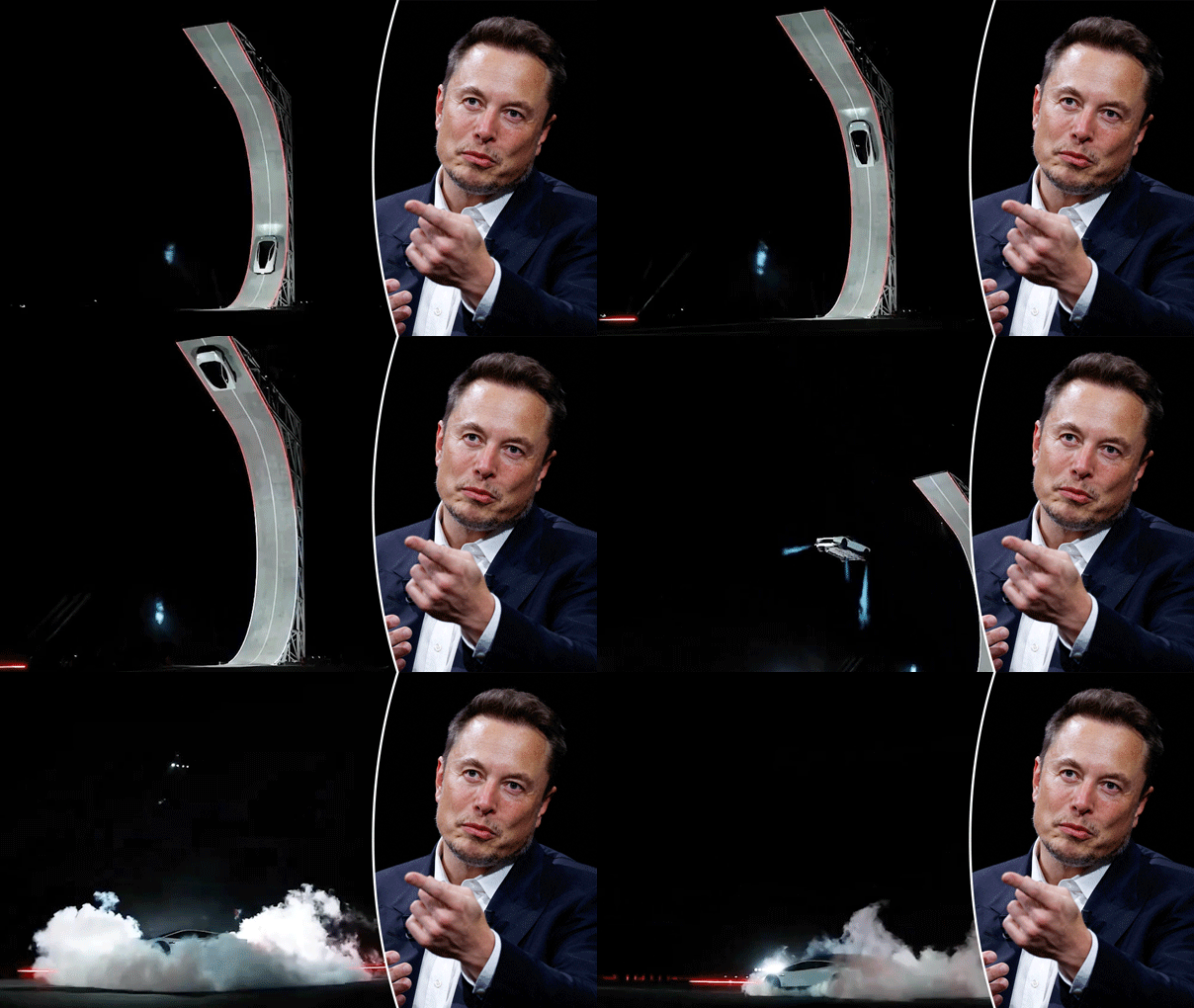
Tesla’s new Roadster makes a flying debut, hitting 60 MPH in under a second
Recent reports indicate that Tesla’s latest Roadster model has demonstrated unprecedented acceleration capabilities, reportedly reaching 60 miles per hour in under one second.
The story
in brief.
What happened, who it affects, and why it landed on our intelligence desk — in plain English, sixty seconds or less.
Recent reports indicate that Tesla’s latest Roadster model has demonstrated unprecedented acceleration capabilities, reportedly reaching 60 miles per hour in under one second. This development highlights significant advancements in electric vehicle performance and propulsion technology. For professionals monitoring the automotive sector, this news underscores the rapid pace of innovation in high-performance electric mobility. The achievement suggests that engineering teams are successfully overcoming traditional limitations in power delivery and vehicle dynamics, setting new benchmarks for consumer expectations regarding speed and efficiency in the electric vehicle market.
Indicative index of skill mentions in professional job postings for the field this story moves (2019 = 1)
What this means
for your career.
Every headline redistributes opportunity. Here is who this one rewards — and how to be on the right side of it.
This breakthrough signals a shift in automotive engineering priorities, where software-defined performance complements hardware innovation. You should focus on emerging competencies in advanced propulsion systems and electric powertrain management. Engineers and product managers must understand the integration of high-density batteries with rapid discharge technologies. If you work in strategic planning, consider how such performance metrics influence brand positioning and consumer adoption curves. A smart professional would immediately upskill in electric vehicle architecture and sustainable mobility trends. Review your current project portfolio for opportunities to integrate next-generation battery technologies. Engage with cross-functional teams to explore how these advancements affect supply chain logistics for critical raw materials. Staying ahead requires proactive learning in electro-mechanical systems, ensuring you remain relevant as the industry pivots towards high-performance electric solutions.
For this story, the fields that convert it into pay are Engineering, AI in Automotive, Innovation and Supply Chain — exactly the programmes matched below. The chart shows the indicative salary uplift certified professionals report in each of those fields; every one of them is a click away, from £79, finishing in as few as 20 days.
Indicative ranges from published continuing-education salary studies, by field — each field is a recommended course below
Enrol in these
to benefit.
These programmes position you for exactly this shift — online, self-paced, and finishing with a verifiable certificate you can share the day you pass.
 Best match
Certificate in Engineering
 Recommended
Certificate in AI in Automotive
 Recommended
Certificate in Innovation
 Recommended
Certificate in Supply Chain
Launch pricing shown against standard certificate value. The fee you see today is the fee you lock in.
This briefing is based on reporting by Fox Business on 16 Oct, 02:06. Read the original coverage →
Read the news. Then outrun it.
Every LSBR programme is online, self-paced and from £79 — so a headline today can be your credential this month.
