

Texas A&M to open fully automated metallurgy lab, using AI and robotic workers to develop metal alloys
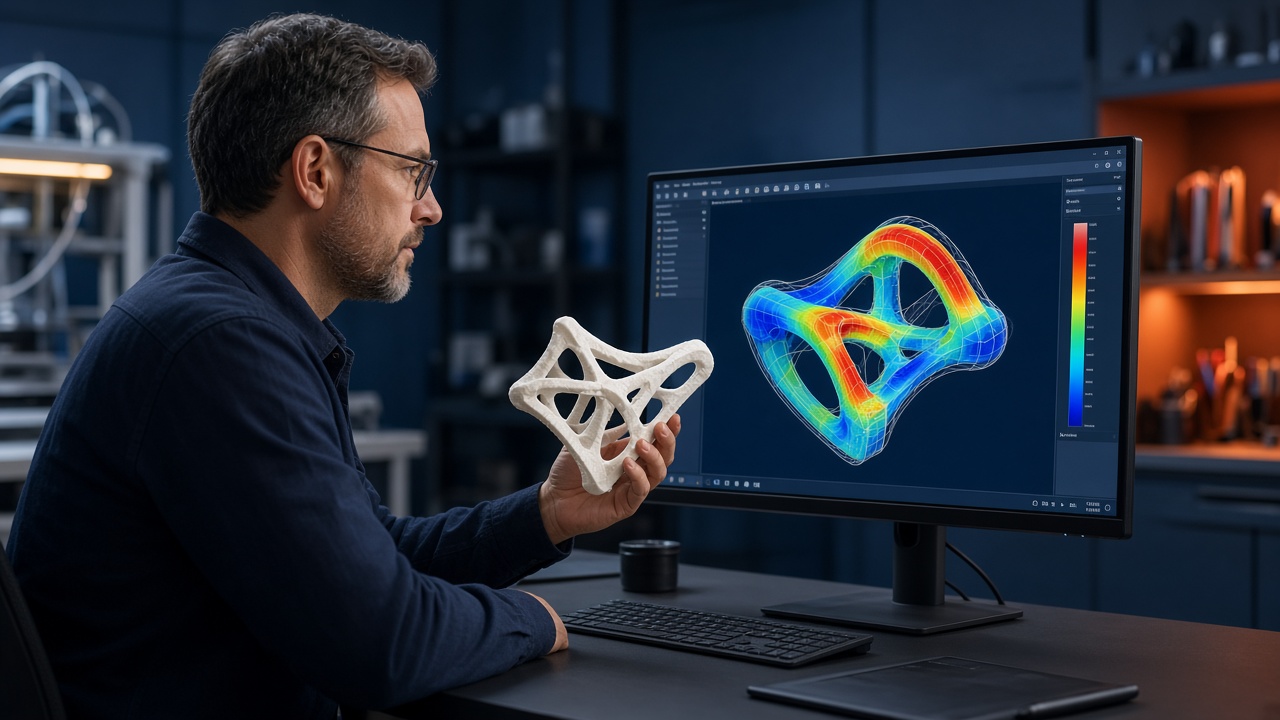
Texas A&M University is establishing a fully automated metallurgy laboratory that integrates artificial intelligence with robotic systems to accelerate alloy development.
The story
in brief.
What happened, who it affects, and why it landed on our intelligence desk — in plain English, sixty seconds or less.
Texas A&M University is establishing a fully automated metallurgy laboratory that integrates artificial intelligence with robotic systems to accelerate alloy development. This initiative replaces traditional manual experimentation with autonomous workflows, enabling faster material discovery and testing cycles. The facility aims to streamline the research process by leveraging machine learning algorithms to predict material properties, while robots execute physical synthesis and analysis. This development signals a significant shift in materials science research, moving towards high-throughput, data-driven methodologies that reduce human intervention in hazardous or repetitive laboratory tasks, potentially reshaping how industrial materials are designed and validated.
Indicative index of skill mentions in professional job postings for the field this story moves (2019 = 1)
What this means
for your career.
Every headline redistributes opportunity. Here is who this one rewards — and how to be on the right side of it.
This shift demands that you adapt your skill set towards interdisciplinary expertise. Pure metallurgical knowledge is no longer sufficient; you must understand how AI models interpret material data. Professionals in materials science should prioritise learning data analytics and machine learning fundamentals to collaborate effectively with algorithmic systems. If you work in manufacturing R&D, focus on upskilling in automation integration and robotic process oversight. Smart professionals will now seek roles that bridge the gap between physical engineering and digital strategy. You should actively pursue training in AI applications within engineering contexts to remain competitive. Ignoring this convergence risks obsolescence, as future teams will value those who can manage and interpret automated experimental outputs over those who only perform manual tests.
For this story, the fields that convert it into pay are AI in Engineering, Data Science, Engineering and AI in Manufacturing — exactly the programmes matched below. The chart shows the indicative salary uplift certified professionals report in each of those fields; every one of them is a click away, from £79, finishing in as few as 20 days.
Indicative ranges from published continuing-education salary studies, by field — each field is a recommended course below
Enrol in these
to benefit.
These programmes position you for exactly this shift — online, self-paced, and finishing with a verifiable certificate you can share the day you pass.
 Best match
Certificate in AI in Engineering
 Recommended
Certificate in Data Science
 Recommended
Certificate in Engineering
 Recommended
Certificate in AI in Manufacturing
Launch pricing shown against standard certificate value. The fee you see today is the fee you lock in.
This briefing is based on reporting by Houston Public Media on 31 Oct, 13:00. Read the original coverage →
Read the news. Then outrun it.
Every LSBR programme is online, self-paced and from £79 — so a headline today can be your credential this month.
