
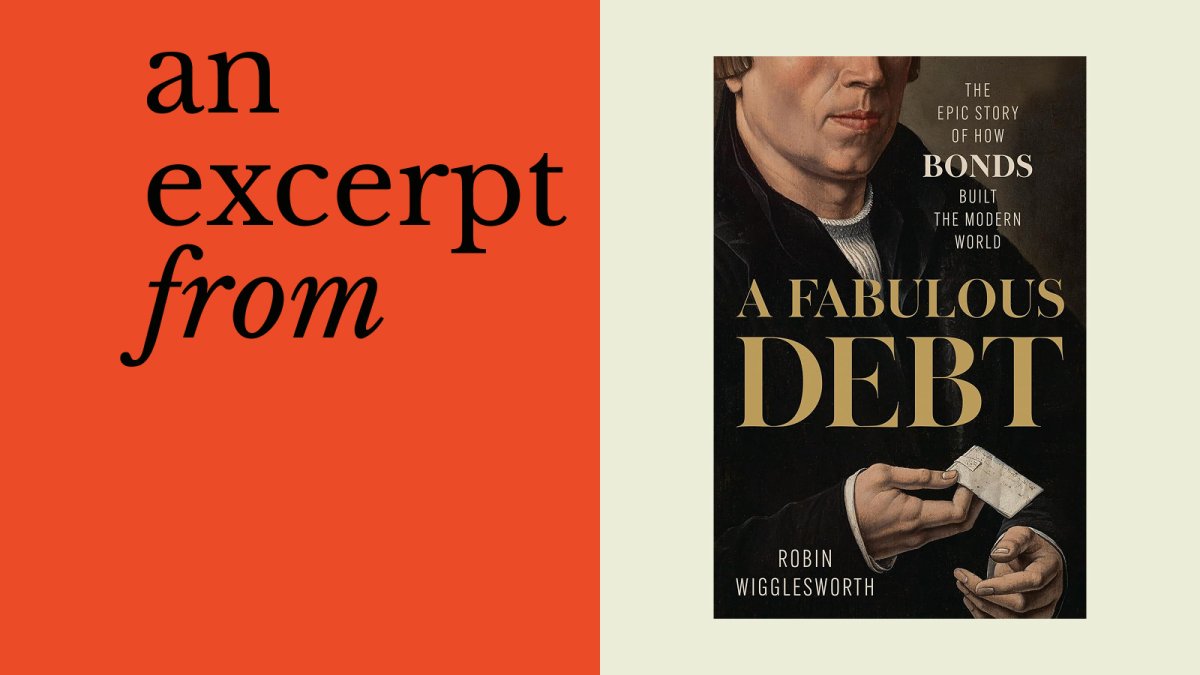
The 12th-century military disaster that forever changed global finance
This report examines how the Battle of Hastings in 1066 inadvertently catalysed the modern financial system.
The story
in brief.
What happened, who it affects, and why it landed on our intelligence desk — in plain English, sixty seconds or less.
This report examines how the Battle of Hastings in 1066 inadvertently catalysed the modern financial system. By analysing historical records, the article argues that the Norman Conquest’s aftermath forced English rulers to develop sophisticated debt instruments and banking mechanisms to fund military campaigns and consolidate power. These medieval innovations laid the groundwork for contemporary global finance, demonstrating how geopolitical instability often drives systemic economic evolution. The story highlights the enduring link between historical conflict and financial infrastructure development.
Indicative index of skill mentions in professional job postings for the field this story moves (2019 = 1)
What this means
for your career.
Every headline redistributes opportunity. Here is who this one rewards — and how to be on the right side of it.
You should recognise that understanding historical context strengthens your strategic foresight. As global markets face renewed geopolitical volatility, professionals who can draw parallels between past crises and current trends will gain a competitive edge. Focus on developing skills in Risk Management and Financial History. You must learn to anticipate how political shocks ripple through economic systems. Smart professionals will now prioritise courses in Finance and Accounting to better navigate uncertainty. You should also cultivate critical thinking to identify long-term structural shifts rather than reacting to short-term noise. This perspective allows you to advise stakeholders with greater confidence during periods of instability, positioning you as a strategic asset capable of guiding organisations through complex, unpredictable environments.
For this story, the fields that convert it into pay are Risk Management, Finance and Accounting, Business and Management and Law — exactly the programmes matched below. The chart shows the indicative salary uplift certified professionals report in each of those fields; every one of them is a click away, from £79, finishing in as few as 20 days.
Indicative ranges from published continuing-education salary studies, by field — each field is a recommended course below
Enrol in these
to benefit.
These programmes position you for exactly this shift — online, self-paced, and finishing with a verifiable certificate you can share the day you pass.
 Best match
Certificate in Risk Management
Recommended
Certificate in Finance and Accounting
 Recommended
Certificate in Business and Management
 Recommended
Certificate in Law
Launch pricing shown against standard certificate value. The fee you see today is the fee you lock in.
This briefing is based on reporting by Big Think on 29 Sep, 14:30. Read the original coverage →
Read the news. Then outrun it.
Every LSBR programme is online, self-paced and from £79 — so a headline today can be your credential this month.
