
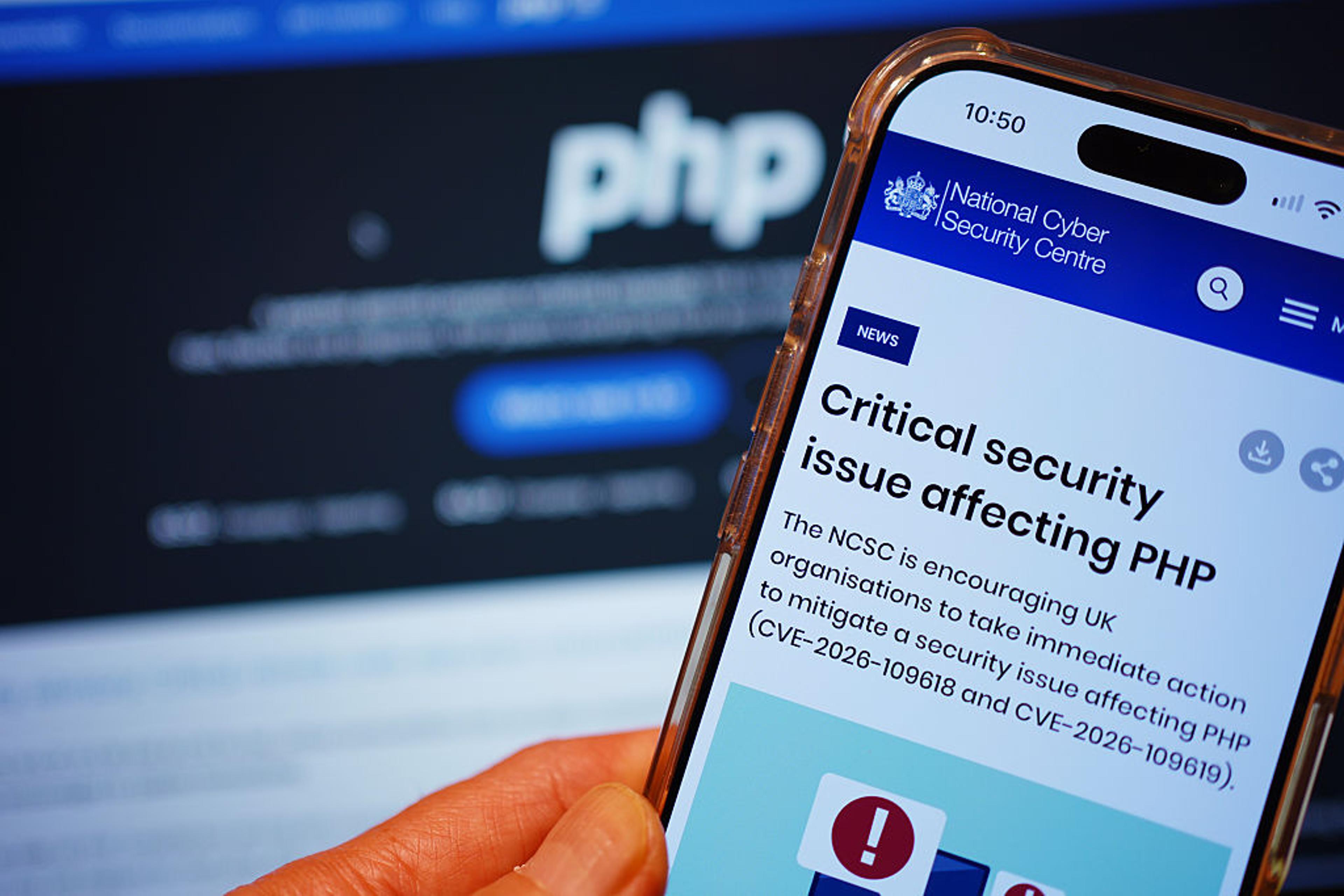
The AI-Discovered Bug That Could Have Become a Cybersecurity Disaster
Time Magazine reports that an artificial intelligence system recently identified a critical software vulnerability that human auditors had previously overlooked.
The story
in brief.
What happened, who it affects, and why it landed on our intelligence desk — in plain English, sixty seconds or less.
Time Magazine reports that an artificial intelligence system recently identified a critical software vulnerability that human auditors had previously overlooked. This discovery highlights the potential for automated tools to detect complex security flaws that might otherwise lead to significant data breaches or system failures. The incident underscores the evolving role of machine learning in maintaining digital infrastructure integrity. It serves as a timely reminder for organisations that traditional manual review processes may no longer suffice against increasingly sophisticated cyber threats, necessitating a shift towards hybrid approaches that combine human expertise with advanced algorithmic detection capabilities.
Indicative index of skill mentions in professional job postings for the field this story moves (2019 = 1)
What this means
for your career.
Every headline redistributes opportunity. Here is who this one rewards — and how to be on the right side of it.
This development signals a pivotal shift in how technical professionals must approach security and software development. You should prioritise upskilling in areas that bridge traditional cybersecurity with artificial intelligence applications. Roles focused on validating AI outputs and managing algorithmic risk will see increased demand. Do not view AI merely as an automation tool, but as a collaborative partner in threat detection. Smart professionals will immediately audit their current workflows to identify where AI-assisted verification can enhance their existing processes. Focus on understanding the limitations of these systems to avoid over-reliance. By integrating AI-driven insights into your strategic decision-making, you position yourself as a forward-thinking leader capable of navigating the complex intersection of technology and security. This proactive stance ensures your career remains resilient against rapid technological change.
For this story, the fields that convert it into pay are Cyber Security, AI in Cyber Security, Artificial Intelligence and Risk Management — exactly the programmes matched below. The chart shows the indicative salary uplift certified professionals report in each of those fields; every one of them is a click away, from £79, finishing in as few as 20 days.
Indicative ranges from published continuing-education salary studies, by field — each field is a recommended course below
Enrol in these
to benefit.
These programmes position you for exactly this shift — online, self-paced, and finishing with a verifiable certificate you can share the day you pass.
 Best match
Certificate in Cyber Security
 Recommended
Certificate in AI in Cyber Security
 Recommended
Certificate in Artificial Intelligence
 Recommended
Certificate in Risk Management
Launch pricing shown against standard certificate value. The fee you see today is the fee you lock in.
This briefing is based on reporting by Time Magazine on 23 Oct, 21:11. Read the original coverage →
Read the news. Then outrun it.
Every LSBR programme is online, self-paced and from £79 — so a headline today can be your credential this month.
