
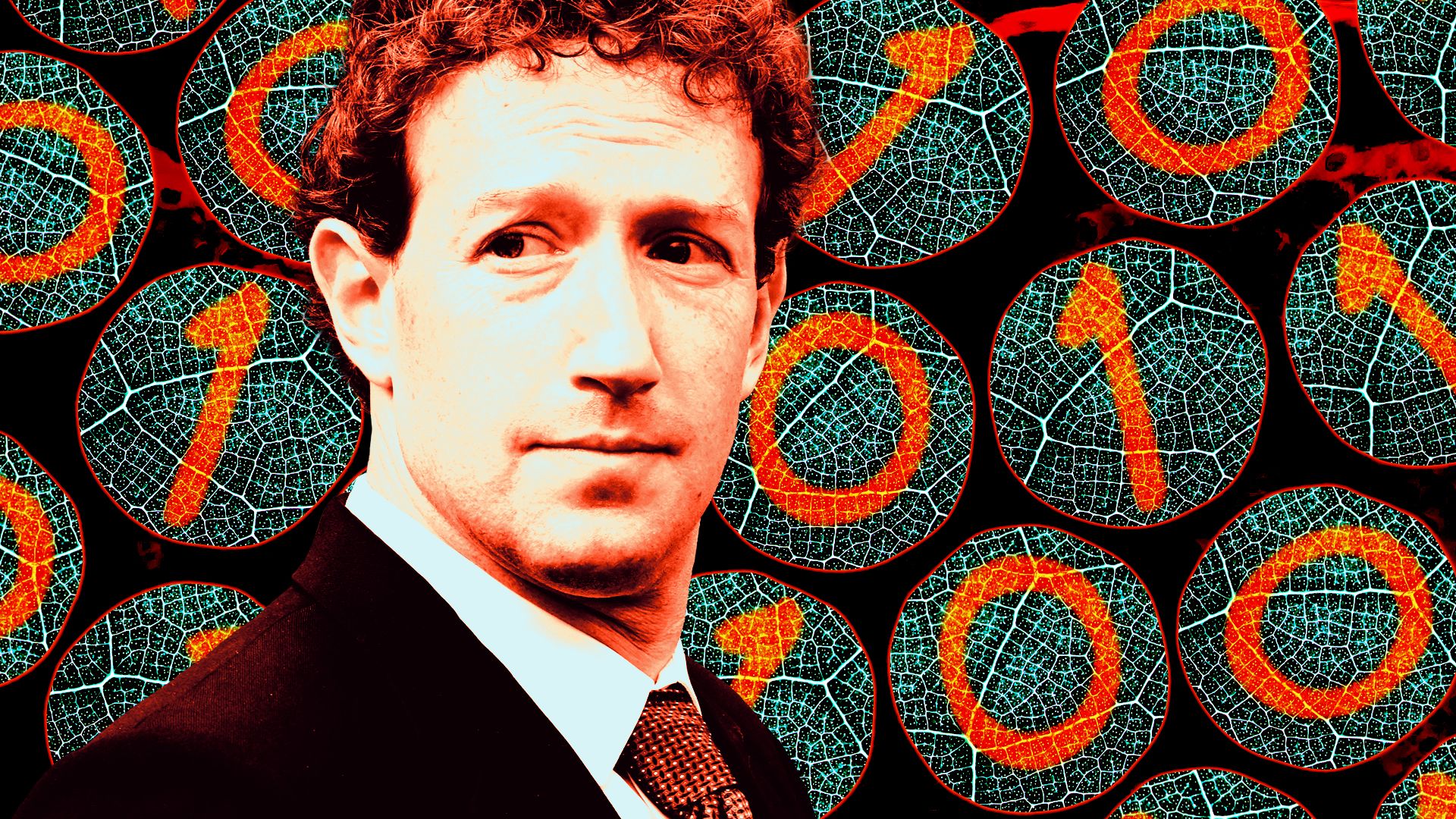
"The beginning of a new scientific paradigm": Zuckerberg's Biohub, U.S. and Google build virtual cell
Meta, Google, and the US National Institutes of Health have collaborated to create a comprehensive digital model of a human cell.
The story
in brief.
What happened, who it affects, and why it landed on our intelligence desk — in plain English, sixty seconds or less.
Meta, Google, and the US National Institutes of Health have collaborated to create a comprehensive digital model of a human cell. This initiative represents a significant leap in computational biology, aiming to simulate cellular processes with unprecedented accuracy. The project integrates vast datasets to predict how cells respond to various stimuli and diseases. For professionals, this signals a major convergence of biological research and advanced computing. It underscores the growing importance of interdisciplinary collaboration in scientific discovery. The virtual cell serves as a foundational tool for future medical innovations, potentially accelerating drug development and personalised medicine approaches across the healthcare sector.
Indicative index of skill mentions in professional job postings for the field this story moves (2019 = 1)
What this means
for your career.
Every headline redistributes opportunity. Here is who this one rewards — and how to be on the right side of it.
This development elevates the value of skills at the intersection of biology and data science. You should prioritise expertise in computational biology, machine learning, and large-scale data analysis. Professionals in healthcare, pharmaceuticals, and biotechnology must understand these tools to remain competitive. If you are in tech, consider specialising in bioinformatics or AI-driven simulation models. A smart next step is to upskill in Python for scientific computing or study biological data structures. Engage with interdisciplinary projects to build relevant experience. Monitor how regulatory frameworks adapt to virtual testing. This shift demands agility; those who bridge the gap between wet lab science and digital infrastructure will lead the next wave of innovation in life sciences and tech.
For this story, the fields that convert it into pay are Artificial Intelligence, Data Science, AI in Healthcare and Engineering — exactly the programmes matched below. The chart shows the indicative salary uplift certified professionals report in each of those fields; every one of them is a click away, from £79, finishing in as few as 20 days.
Indicative ranges from published continuing-education salary studies, by field — each field is a recommended course below
Enrol in these
to benefit.
These programmes position you for exactly this shift — online, self-paced, and finishing with a verifiable certificate you can share the day you pass.
 Best match
Certificate in Artificial Intelligence
 Recommended
Certificate in Data Science
 Recommended
Certificate in AI in Healthcare
 Recommended
Certificate in Engineering
Launch pricing shown against standard certificate value. The fee you see today is the fee you lock in.
This briefing is based on reporting by Axios on 7 Oct, 13:04. Read the original coverage →
Read the news. Then outrun it.
Every LSBR programme is online, self-paced and from £79 — so a headline today can be your credential this month.
