
The finance sector should capture the full range of climate change risks
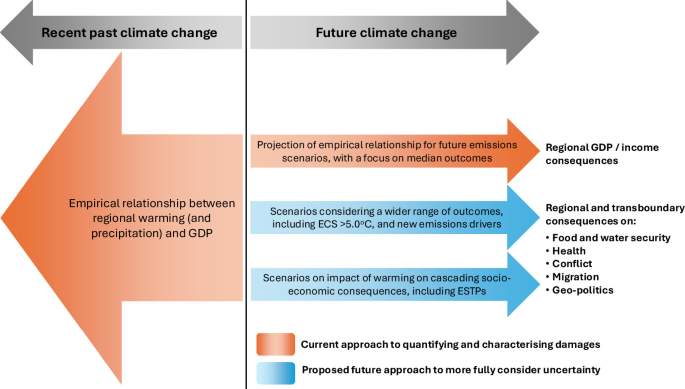
A recent report in Nature argues that the finance sector must comprehensively assess and integrate the full spectrum of climate change risks.
The story
in brief.
What happened, who it affects, and why it landed on our intelligence desk — in plain English, sixty seconds or less.
A recent report in Nature argues that the finance sector must comprehensively assess and integrate the full spectrum of climate change risks. Currently, many institutions focus narrowly on specific metrics, potentially overlooking systemic vulnerabilities. The publication urges a broader approach to capture both physical and transitional risks accurately. This shift aims to enhance financial stability by ensuring that investment decisions and regulatory frameworks reflect the true scale of environmental challenges. For professionals, this signals a move towards more rigorous, holistic risk assessment methodologies within global financial systems.
Indicative index of skill mentions in professional job postings for the field this story moves (2019 = 1)
What this means
for your career.
Every headline redistributes opportunity. Here is who this one rewards — and how to be on the right side of it.
This development elevates the strategic importance of climate risk analysis within financial institutions. You should prioritise developing expertise in environmental data interpretation and regulatory compliance. Professionals in risk management, finance, and sustainability will see increased demand for their skills. To stay competitive, you must understand how climate scenarios affect asset valuation and portfolio resilience. Consider upskilling in quantitative risk modelling and ESG reporting standards. Engage with cross-functional teams to bridge the gap between scientific data and financial strategy. This proactive approach positions you as a critical asset in navigating the evolving regulatory landscape and securing long-term organisational stability.
For this story, the fields that convert it into pay are Risk Management, Finance, Data Science and Business and Management — exactly the programmes matched below. The chart shows the indicative salary uplift certified professionals report in each of those fields; every one of them is a click away, from £79, finishing in as few as 20 days.
Indicative ranges from published continuing-education salary studies, by field — each field is a recommended course below
Enrol in these
to benefit.
These programmes position you for exactly this shift — online, self-paced, and finishing with a verifiable certificate you can share the day you pass.
 Best match
Certificate in Risk Management
Recommended
Certificate in Finance
Recommended
Certificate in Data Science
 Recommended
Certificate in Business and Management
Launch pricing shown against standard certificate value. The fee you see today is the fee you lock in.
This briefing is based on reporting by Nature on 29 Oct, 13:19. Read the original coverage →
Read the news. Then outrun it.
Every LSBR programme is online, self-paced and from £79 — so a headline today can be your credential this month.
