
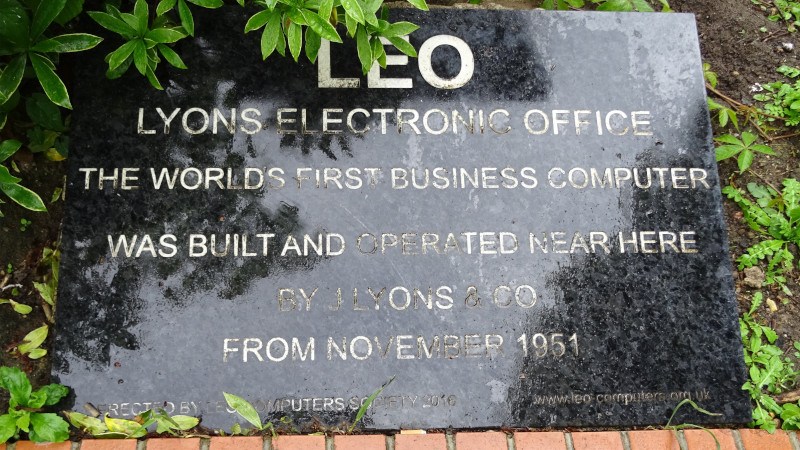
The First Business Computer Hits 75!
Hackaday reports that the IBM System/360, widely recognised as the first business computer, has reached its seventy-fifth anniversary.
The story
in brief.
What happened, who it affects, and why it landed on our intelligence desk — in plain English, sixty seconds or less.
Hackaday reports that the IBM System/360, widely recognised as the first business computer, has reached its seventy-fifth anniversary. This milestone highlights the enduring legacy of the mainframe architecture that continues to underpin critical global financial and governmental infrastructure. The story examines the historical significance of this system, which established the standard for compatible computing families. It underscores how foundational legacy systems remain integral to modern enterprise operations, despite the advent of cloud technologies. Professionals should note the continued relevance of mainframe expertise in sectors requiring high-volume transaction processing and robust data integrity, challenging assumptions about technological obsolescence in core business functions.
Indicative index of skill mentions in professional job postings for the field this story moves (2019 = 1)
What this means
for your career.
Every headline redistributes opportunity. Here is who this one rewards — and how to be on the right side of it.
You should recognise that legacy infrastructure remains a critical career asset. While cloud computing dominates headlines, mainframes still process vast financial transactions. Specialised skills in COBOL and mainframe systems are increasingly valuable due to a shrinking talent pool. You must decide whether to deepen your expertise in these niche areas or pivot to modern integration roles. Smart professionals will upskill in bridging legacy systems with contemporary cloud architectures. Focus on understanding system interoperability and data migration strategies. This positions you as a vital link between historical stability and digital innovation. Do not dismiss older technologies; instead, master their integration. This approach ensures your relevance in industries where reliability outweighs novelty. Prioritise learning how to modernise rather than replace these enduring systems.
For this story, the fields that convert it into pay are Engineering, Cyber Security, Cloud computing and Business and Management — exactly the programmes matched below. The chart shows the indicative salary uplift certified professionals report in each of those fields; every one of them is a click away, from £79, finishing in as few as 20 days.
Indicative ranges from published continuing-education salary studies, by field — each field is a recommended course below
Enrol in these
to benefit.
These programmes position you for exactly this shift — online, self-paced, and finishing with a verifiable certificate you can share the day you pass.
 Best match
Certificate in Engineering
 Recommended
Certificate in Cyber Security
 Recommended
Certificate in Cloud computing
 Recommended
Certificate in Business and Management
Launch pricing shown against standard certificate value. The fee you see today is the fee you lock in.
This briefing is based on reporting by Hackaday on 5 Nov, 03:00. Read the original coverage →
Read the news. Then outrun it.
Every LSBR programme is online, self-paced and from £79 — so a headline today can be your credential this month.
