
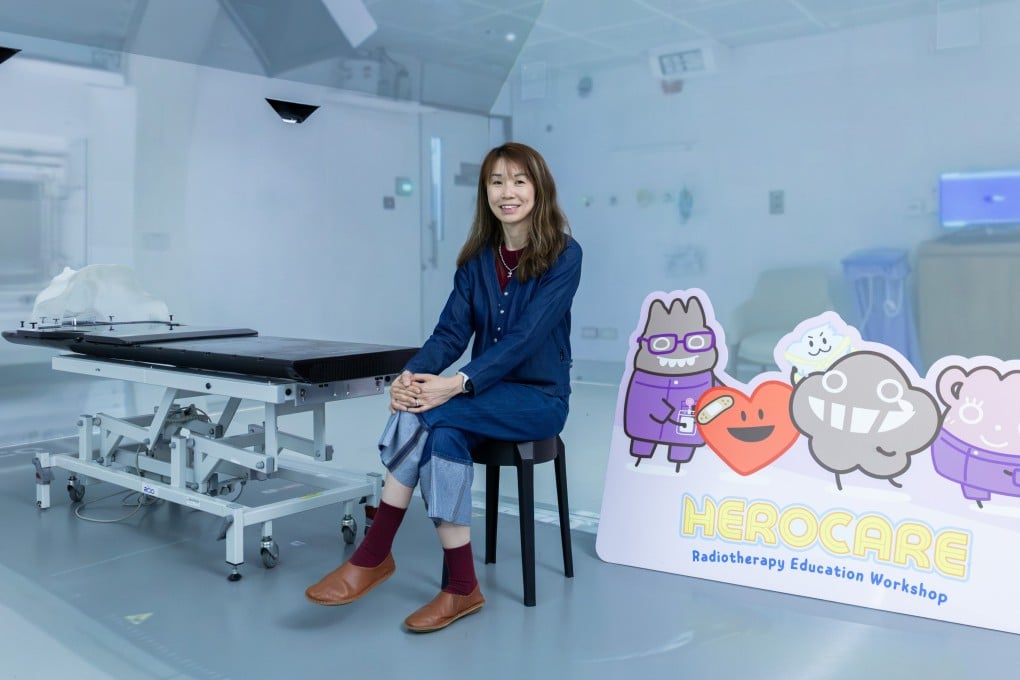
The human touch behind the virtual technology for preparing child cancer patients
Recent reporting highlights the criticals the integration of virtual reality technology in paediatric oncology wards, focusing on how human-centric design mitigates patient anxiety during treatment.
The story
in brief.
What happened, who it affects, and why it landed on our intelligence desk — in plain English, sixty seconds or less.
Recent reporting highlights the criticals the integration of virtual reality technology in paediatric oncology wards, focusing on how human-centric design mitigates patient anxiety during treatment. The story emphasises that successful implementation relies not merely on technical capability, but on empathetic collaboration between clinicians, technologists, and families. It underscores the necessity of retaining human oversight to ensure virtual tools serve therapeutic goals effectively. This development illustrates a broader trend where digital health solutions must be carefully calibrated to support, rather than replace, essential emotional care in high-stress medical environments.
Indicative index of skill mentions in professional job postings for the field this story moves (2019 = 1)
What this means
for your career.
Every headline redistributes opportunity. Here is who this one rewards — and how to be on the right side of it.
You must recognise that technical proficiency alone is insufficient in the digital health sector. Empathy and ethical judgment are becoming critical differentiators. If you work in healthcare or technology, you should prioritise developing interdisciplinary communication skills. Learn to translate clinical needs into technical specifications without losing sight of patient welfare. Consider upskilling in healthcare management to understand operational constraints, or psychology to better grasp patient behaviour. Smart professionals will actively seek roles at the intersection of care and innovation. You should network with clinicians to understand their pain points. This shift demands leaders who can balance efficiency with compassion. Ignoring the human element will render your technical solutions obsolete in sensitive sectors.
For this story, the fields that convert it into pay are Healthcare Management, AI in Healthcare, Psychology and Health and Social Care — exactly the programmes matched below. The chart shows the indicative salary uplift certified professionals report in each of those fields; every one of them is a click away, from £79, finishing in as few as 20 days.
Indicative ranges from published continuing-education salary studies, by field — each field is a recommended course below
Enrol in these
to benefit.
These programmes position you for exactly this shift — online, self-paced, and finishing with a verifiable certificate you can share the day you pass.
 Best match
Certificate in Healthcare Management
 Recommended
Certificate in AI in Healthcare
 Recommended
Certificate in Psychology
 Recommended
Certificate in Health and Social Care
Launch pricing shown against standard certificate value. The fee you see today is the fee you lock in.
This briefing is based on reporting by South China Morning Post on 19 Oct, 04:15. Read the original coverage →
Read the news. Then outrun it.
Every LSBR programme is online, self-paced and from £79 — so a headline today can be your credential this month.
