
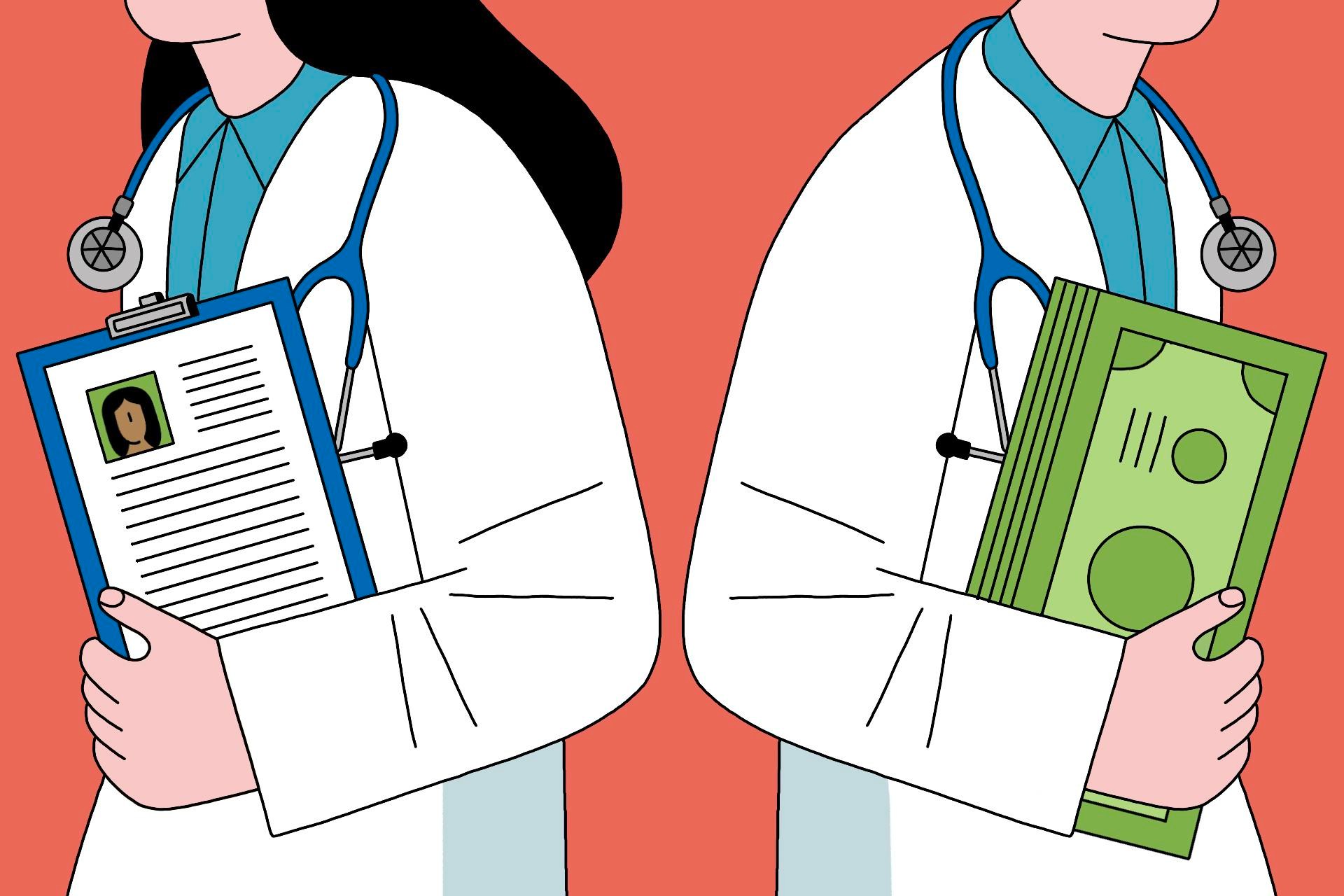
The insidious, fascinating, and utterly infuriating reason that women’s health care is worse than men’s
Recent reporting highlights a persistent gender disparity in healthcare outcomes, attributing it to systemic biases rather than biological differences alone.
The story
in brief.
What happened, who it affects, and why it landed on our intelligence desk — in plain English, sixty seconds or less.
Recent reporting highlights a persistent gender disparity in healthcare outcomes, attributing it to systemic biases rather than biological differences alone. The analysis suggests that women’s symptoms are frequently dismissed or misdiagnosed, leading to delayed treatment and poorer long-term health. This structural failure stems from historical research gaps and ingrained clinical assumptions. For professionals, this underscores a critical need for evidence-based, equitable care protocols. Understanding these systemic issues is essential for navigating modern health systems, whether as a patient, provider, or policy influencer, ensuring that decisions are informed by accurate medical data rather than outdated stereotypes.
Indicative index of skill mentions in professional job postings for the field this story moves (2019 = 1)
What this means
for your career.
Every headline redistributes opportunity. Here is who this one rewards — and how to be on the right side of it.
This development signals a shift toward gender-responsive care, creating demand for professionals who can bridge clinical practice with equitable policy. If you work in healthcare, you must prioritise diagnostic accuracy and bias mitigation to improve patient outcomes and reduce liability. For those in management or HR, integrating health equity into organisational culture is now a strategic imperative. You should upskill in data analytics to identify disparities in patient records or employee health benefits. Smart professionals will advocate for inclusive training programmes and robust feedback mechanisms. By addressing these gaps, you position yourself as a leader in ethical, high-quality service delivery, enhancing both professional credibility and organisational resilience in an increasingly scrutinised sector.
For this story, the fields that convert it into pay are Healthcare Management, Data analytics, Occupational Health and Safety and Psychology — exactly the programmes matched below. The chart shows the indicative salary uplift certified professionals report in each of those fields; every one of them is a click away, from £79, finishing in as few as 20 days.
Indicative ranges from published continuing-education salary studies, by field — each field is a recommended course below
Enrol in these
to benefit.
These programmes position you for exactly this shift — online, self-paced, and finishing with a verifiable certificate you can share the day you pass.
 Best match
Certificate in Healthcare Management
 Recommended
Certificate in Data analytics
 Recommended
Certificate in Occupational Health and Safety
 Recommended
Certificate in Psychology
Launch pricing shown against standard certificate value. The fee you see today is the fee you lock in.
This briefing is based on reporting by vox.com on 2 Oct, 10:00. Read the original coverage →
Read the news. Then outrun it.
Every LSBR programme is online, self-paced and from £79 — so a headline today can be your credential this month.
