
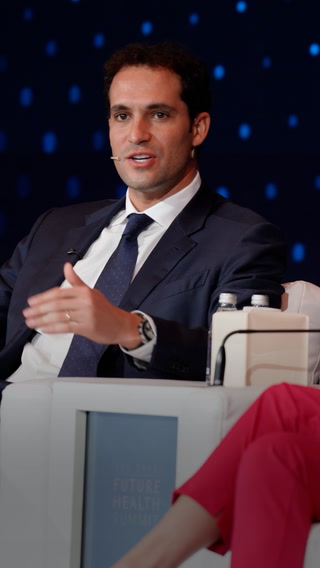
The real test for medical AI is how many people it helps
Recent reporting highlights that the true measure of medical artificial intelligence lies in its tangible patient impact rather than technical novelty alone.
The story
in brief.
What happened, who it affects, and why it landed on our intelligence desk — in plain English, sixty seconds or less.
Recent reporting highlights that the true measure of medical artificial intelligence lies in its tangible patient impact rather than technical novelty alone. The article suggests that while algorithms advance rapidly, their clinical utility depends on integration into real-world healthcare workflows and demonstrable improvements in patient outcomes. This shift in focus challenges developers and healthcare providers to prioritise evidence-based efficacy over mere innovation. For professionals, this underscores the necessity of understanding how AI tools function within complex medical systems to ensure they deliver meaningful, measurable benefits to those receiving care.
Indicative index of skill mentions in professional job postings for the field this story moves (2019 = 1)
What this means
for your career.
Every headline redistributes opportunity. Here is who this one rewards — and how to be on the right side of it.
This shift demands that you move beyond theoretical AI enthusiasm to practical implementation skills. If you work in healthcare, your value now hinges on bridging clinical needs with technological solutions. Prioritise understanding regulatory frameworks and patient safety protocols alongside technical literacy. Professionals in data science must focus on interpretable models that clinicians can trust. Those in management should evaluate AI vendors based on proven health outcomes, not just algorithmic accuracy. You should upskill in healthcare compliance and digital health strategy. A smart next step is to seek cross-functional projects where you can assess AI’s real-world utility. Focus on roles that require translating technical capabilities into clinical value, ensuring you remain relevant as the industry matures beyond the hype cycle.
For this story, the fields that convert it into pay are AI in Healthcare, Healthcare Management, Data Science and Health and Social Care — exactly the programmes matched below. The chart shows the indicative salary uplift certified professionals report in each of those fields; every one of them is a click away, from £79, finishing in as few as 20 days.
Indicative ranges from published continuing-education salary studies, by field — each field is a recommended course below
Enrol in these
to benefit.
These programmes position you for exactly this shift — online, self-paced, and finishing with a verifiable certificate you can share the day you pass.
 Best match
Certificate in AI in Healthcare
 Recommended
Certificate in Healthcare Management
 Recommended
Certificate in Data Science
 Recommended
Certificate in Health and Social Care
Launch pricing shown against standard certificate value. The fee you see today is the fee you lock in.
This briefing is based on reporting by The National on 28 Oct, 04:45. Read the original coverage →
Read the news. Then outrun it.
Every LSBR programme is online, self-paced and from £79 — so a headline today can be your credential this month.
